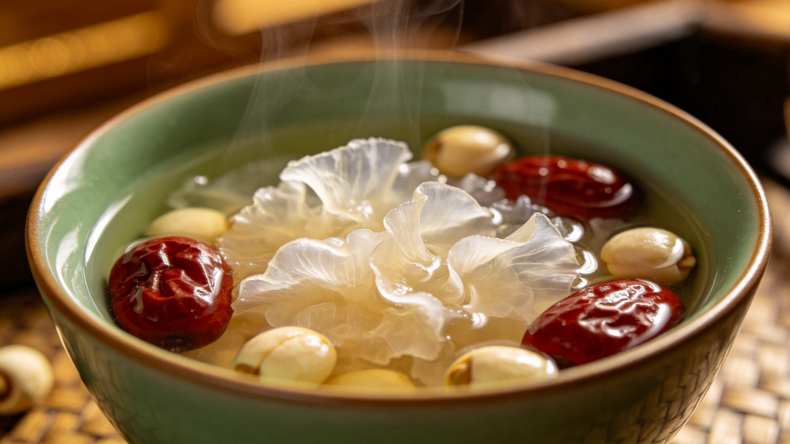
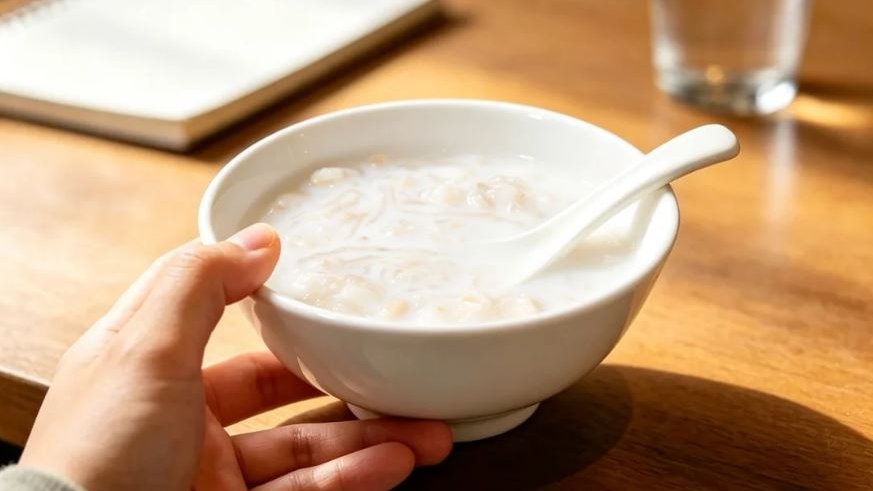
If you are on a weight-loss journey, one of the hardest things to give up is dessert. The good news is that you do not have to. Chinese dessert culture offers something Western desserts rarely do: a whole family of warm, satisfying sweet bowls built on sticky-textured sago, creamy taro, silky peach gum, and beans rather than butter, cream, and oil. These are the “glutinous” desserts of Chinese tradition — the ones with the dense, sticky, satisfying texture that makes a small bowl feel like a feast — and they comfort without the fat-and-calorie price tag of a typical Western sweet. The five low-fat glutinous rice desserts in this article will satisfy your sweet tooth on the coldest days of the year without quietly wrecking the fitness goals you have worked so hard for.
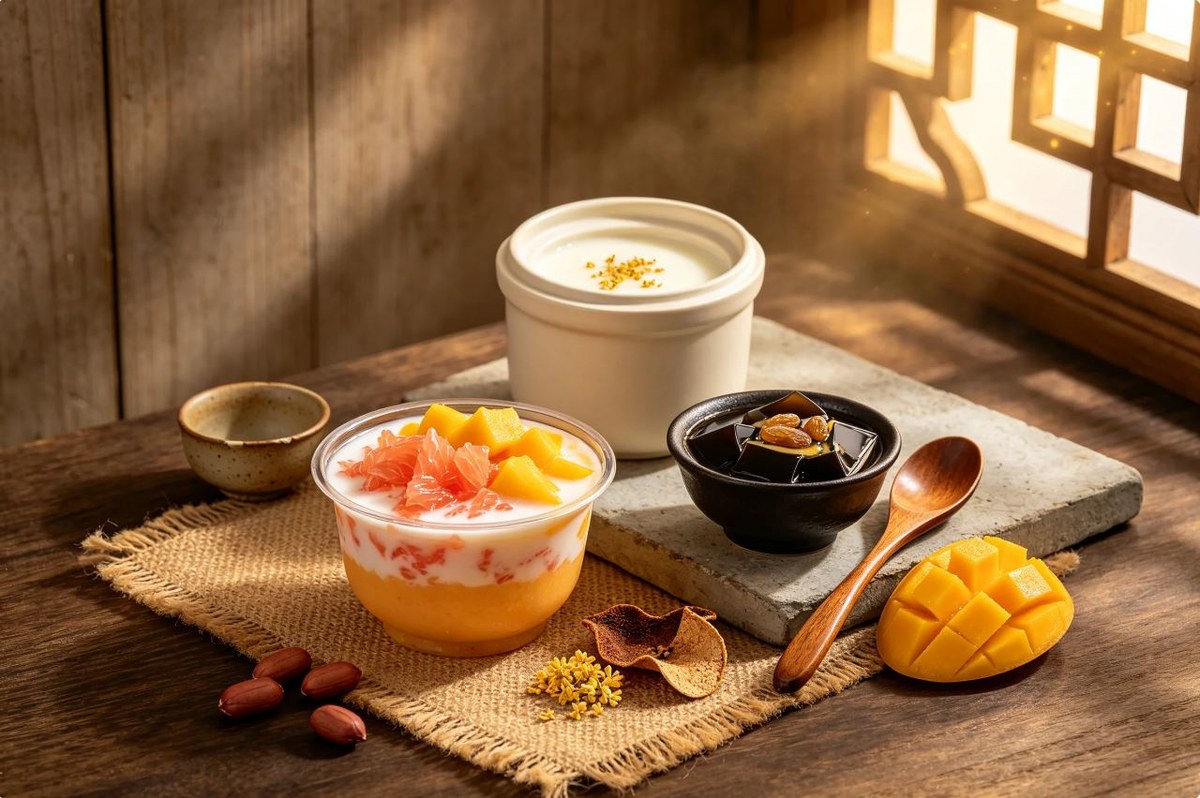
Why Glutinous-Texture Desserts Fit a Fitness Diet Better Than You’d Think
Before we look at the five bowls, it is worth clearing up a common misconception. Glutinous rice and sticky-textured desserts have nothing to do with gluten, and they are not inherently fattening. The word “glutinous” refers to the dense, sticky, satisfying texture that comes from starch — the same quality that makes sago pearls cling together and taro turn creamy. What makes or breaks a dessert for a weight-loss diet is rarely the starch itself; it is everything else that gets added around it. A dessert made with butter, heavy cream, and deep-fried pastry will be high in fat no matter what base it uses, while a dessert made with sago, taro, peach gum, and a light touch of sweetness stays low in fat by its very nature.
The five desserts below share a fitness-friendly profile:
- Naturally low in fat — The base is sago, taro, fruit, and beans, not butter or cream, so the fat content stays low without any effort.
- Genuinely filling — Sticky-textured desserts are dense and satisfying, so a modest bowl keeps you full for hours and actually reduces the total calories you eat later in the day.
- Built on whole foods — When the sweetness comes from fruit and the richness comes from plant-based ingredients, a dessert can be both satisfying and aligned with a fitness plan.
With that framing, here are the five best low-fat glutinous-texture desserts that will not ruin your fitness goals.
The 5 Best Low-Fat Glutinous Rice Desserts
Each of these desserts is available as a ready-to-eat product from ZeaGrove’s Wellness Chinese desserts collection, so you can enjoy a proper bowl of comfort food after a workout or on a cold evening without spending an hour in the kitchen or throwing a week’s worth of fat budget out the window.
| Low-Fat Dessert | Main Ingredients | Why It Fits a Fitness Diet | Best Moment to Enjoy |
|---|---|---|---|
| Mango Pomelo Sago Dessert | Mango, pomelo, sago, coconut milk | Fruit-based sweetness, no baking fats | After a workout |
| Mango Peach Gum Dessert | Mango, peach gum, snow fungus | Plant collagen, no dairy fat | Post-dinner treat |
| Coconut Mango Peach Gum Sweet Soup | Peach gum, mango, coconut | Tropical, plant-based, light | Warm afternoon bowl |
| Taro and Lotus Seed Sweet Soup | Taro, lotus seed, coconut | Creamy texture without dairy cream | Comfort evening bowl |
| Aged Tangerine Peel Red Bean Soup | Red bean, tangerine peel | Bean-based, fiber-rich, filling | Any day, any time |
1. Mango Pomelo Sago Dessert — A Tropical Dessert That Earns Its Calories

Mango pomelo sago is the dessert that most people assume is indulgent — and then discover it is actually one of the lightest options in Chinese dessert culture. The base is cooked sago pearls, made from tapioca starch, which carry almost no fat and provide the sticky, satisfying chew that makes this a “glutinous” family dessert in the best way. The mango provides genuine sweetness and a generous helping of vitamin C, the pomelo adds a bright citrus contrast, and the coconut milk adds creaminess in a measured, plant-based way that keeps the fat content far below anything you would get from a dairy-based Western dessert.
This is the dessert to reach for after a workout. The mango delivers quick, clean energy and the sago provides the chewy, satisfying texture that makes a modest portion feel like a feast. Because there is no butter, no pastry, and no deep-fried element, the calorie and fat profile stays genuinely friendly, and the taste is exactly the tropical treat you were craving.
Why we rate it: the Mango Pomelo Sago Dessert is proof that a fitness-friendly dessert can still be vibrant, tropical, and thoroughly satisfying.
2. Mango Peach Gum Dessert — Plant Collagen Without the Fat

Peach gum is one of the most interesting ingredients in modern Chinese dessert culture. It is a resin that comes from peach trees, and traditional food culture has prized it for centuries for its skin-supporting properties — it is often described as “plant collagen” because of the polysaccharides it shares with bird’s nest, at a fraction of the cost. When it is paired with mango and snow fungus, you get a dessert that combines the silky, jelly-like texture of the gum with real fruit sweetness and deep hydration.
For anyone with fitness goals, this dessert is a gift. The peach gum adds satisfying body and texture without adding fat, the mango provides the sweetness, and the whole bowl stays naturally light. Because it is so low in fat and built on plants, it fits into almost any eating plan, and the fact that it also supports skin health means you get a beauty benefit alongside your weight management. It is the dessert to reach for when you want something sweet, silky, and genuinely good for you.
Why we rate it: the Mango Peach Gum Dessert gives you plant collagen, real fruit, and a silky-satisfying texture with a fat profile your fitness plan will barely notice.
3. Coconut Mango Peach Gum Sweet Soup — Tropical Richness, Plant-Based and Light

Where the mango peach gum dessert is clean and silky, this version adds a layer of coconut that makes it feel richer — while staying firmly on the light side. Coconut milk provides healthy plant fats in moderation, and when it is combined with mango, peach gum, and snow fungus, the result is a sweet soup with real depth and a genuinely tropical character. It tastes like a vacation in a bowl, and it happens to be built almost entirely on plants.
This is the dessert to reach for when you want something that does not feel like you are “on a diet” at all. The coconut gives it the kind of creamy richness that usually requires dairy, the mango keeps it bright and sweet, and the peach gum provides that satisfying, glossy texture that makes a dessert feel complete. For fitness goals that include both weight management and skin health, this bowl quietly covers both bases.
Why we rate it: the Coconut Mango Peach Gum Sweet Soup is the most tropical way to stay on track — a plant-based bowl with real richness and a fat profile that fits your plan.
4. Taro and Lotus Seed Sweet Soup — Creamy Comfort Without the Cream

Taro is one of those ingredients that feels indulgent without actually being indulgent. When cooked, it becomes naturally creamy and almost buttery in texture — the kind of mouthfeel that usually requires dairy cream, but that taro achieves on its own. Combined with lotus seed, which is prized in Chinese food culture for its calming properties, and a light coconut base, this dessert delivers the deep comfort of a creamy dessert with a fat profile that stays remarkably low.
This is the bowl for the evening when you want something truly comforting and creamy after a long day. It satisfies the part of a sweet craving that is really about wanting to be comforted, not about wanting sugar specifically. Because the creaminess comes from the taro and coconut rather than from butter or heavy cream, you get the experience of an indulgent dessert without the actual indulgence — which is exactly the trade a fitness-conscious person wants to make.
Why we rate it: for a creamy, comfort-food dessert that stays low in fat, the Taro and Lotus Seed Sweet Soup is the smartest choice in the category.
5. Aged Tangerine Peel Red Bean Soup — Fiber-Rich, Filling, and Comforting
The final dessert on the list brings the filling power that makes a weight-loss diet sustainable. Red bean soup is the original comfort food of Chinese dessert culture, and it is also a genuinely smart choice for anyone watching their weight. Red beans are high in both protein and soluble fiber, which means a bowl of red bean soup keeps you satisfied for hours and actually reduces the total calories you eat later in the day. The addition of aged tangerine peel adds the traditional digestive-support qualities of chenpi and a fragrant, slightly bitter note that balances the natural sweetness of the beans.
This is the dessert for the days when you want something warm, familiar, and deeply grounding. Because it is so filling, a modest serving genuinely replaces the craving for a larger dessert, and the fiber keeps you full between meals — which is exactly the effect that makes weight loss feel manageable rather than miserable. ZeaGrove simmers it slowly until the beans are velvety smooth, so you get the full depth of the traditional pot without the afternoon of cooking.
Why we rate it: the Aged Tangerine Peel Red Bean Soup is the most filling dessert on this list — fiber-rich, bean-based, and satisfying in exactly the way that keeps you on track.
How to Enjoy Desserts Without Undoing Your Fitness Work
The secret to keeping desserts in a fitness diet is not willpower — it is choosing desserts that work with your plan, and managing them with a little intention. Here are the habits that make it sustainable:
- Time them around your workouts — Eat the filling bean and taro bowls after training to refuel, and enjoy the lighter sago and fruit desserts when you want something sweet without the bulk.
- Treat the bowl as a meal, not a snack — These desserts are filling enough to replace a meal when you add one. If you treat a taro or red bean bowl as your post-workout meal, you will not be hungry an hour later reaching for something worse.
- Serve yourself the bowl, not the pot — Even a low-fat dessert should be portioned. A single serving satisfies; a whole pot defeats the purpose.
- Pair with protein — If the dessert itself is light on protein, have it alongside a boiled egg, some yogurt, or a handful of nuts. The protein keeps you full and supports muscle recovery.
FAQ
Q1: Are these glutinous-texture desserts really suitable for weight loss?
Yes, when portioned sensibly. Sago, taro, and beans are calorie-dense per serving because they are compact foods, so portion control matters — but they are not high in fat, and a reasonable portion of one of these desserts can fit into a weight-loss plan comfortably. The key is the portion and what else is in the bowl, not the starch itself.
Q2: Do these desserts taste like “diet food”?
No — and that is the point. These are traditional Chinese desserts that happen to be low in fat because their traditional recipes never relied on butter, cream, or oil in the first place. The mango sago bowl tastes like a tropical treat, and the taro soup tastes like proper comfort food. You are not trading flavor for fitness; you are discovering desserts that were always light.
Q3: How many calories are in a typical serving?
Exact numbers vary by product, but a serving of the grain or bean-based bowls is typically in the range of 150-250 calories, while the fruit-forward options like the mango sago dessert are on the lower end. Compared to a typical Western dessert that can reach 500-700 calories with 30-40 grams of fat, these bowls keep both calories and fat dramatically lower.
Q4: Can I eat these desserts when I am in a strict calorie deficit?
Yes, with one guideline: count them as part of your daily intake and enjoy a single serving. Because they are so much lower in fat than Western desserts, they leave far more room in your calorie budget, which means you can enjoy a warm dessert every day and still hit your numbers.
The Bottom Line
Fitness goals should not mean the end of dessert. The five low-fat glutinous-texture desserts in this article were born from a dessert culture that never depended on fat to make things delicious — and that is exactly what makes them so well suited to a weight-management lifestyle. Keep one or two on hand, portion them properly, and enjoy the sweetness that got you into desserts in the first place. Your goals, and your taste buds, can both win.
Ready to treat yourself the smart way? Explore our range of light Chinese dessert products and find the warm bowl that fits your fitness lifestyle.