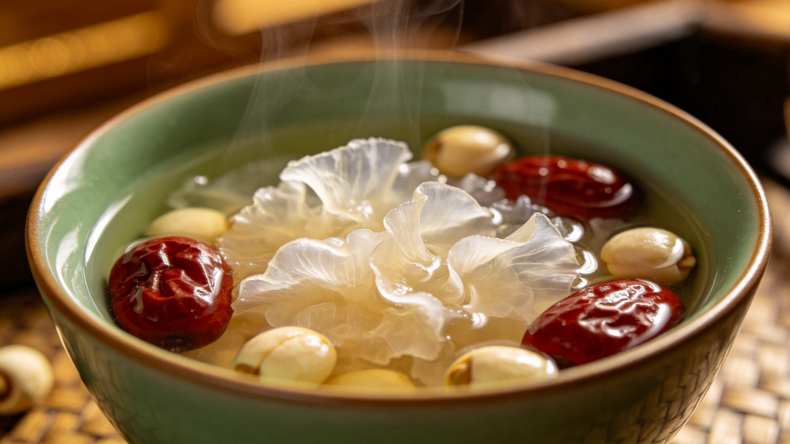
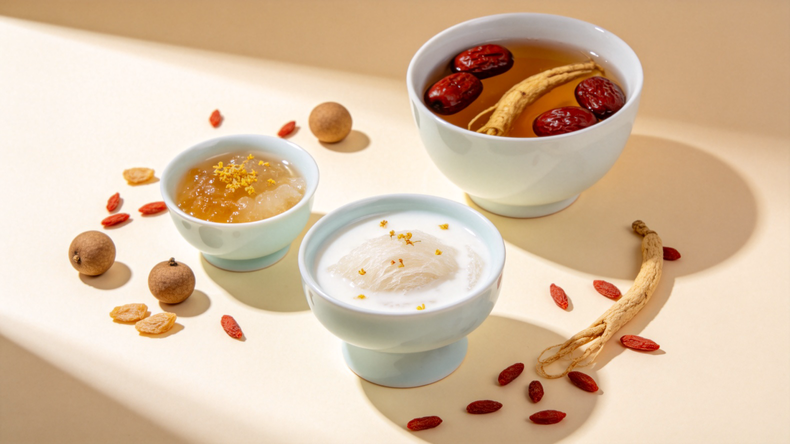
There is a moment most of us know very well: it is late afternoon, the energy dips, and suddenly a warm, sweet dessert sounds like the only thing that will make the day feel right again. But if you are watching your sugar intake — because of blood sugar concerns, weight goals, or simply a determination to eat cleaner — that craving can feel like a trap. The good news is that it does not have to be. Chinese dessert culture is far less sugar-forward than Western dessert culture, and a whole family of traditional bowls is built on gentle natural sweetness, whole grains, beans, and plants rather than spoonfuls of refined sugar. These five low-cal Chinese wellness desserts warm you up, satisfy the craving, and keep blood sugar steady — no guilt required.
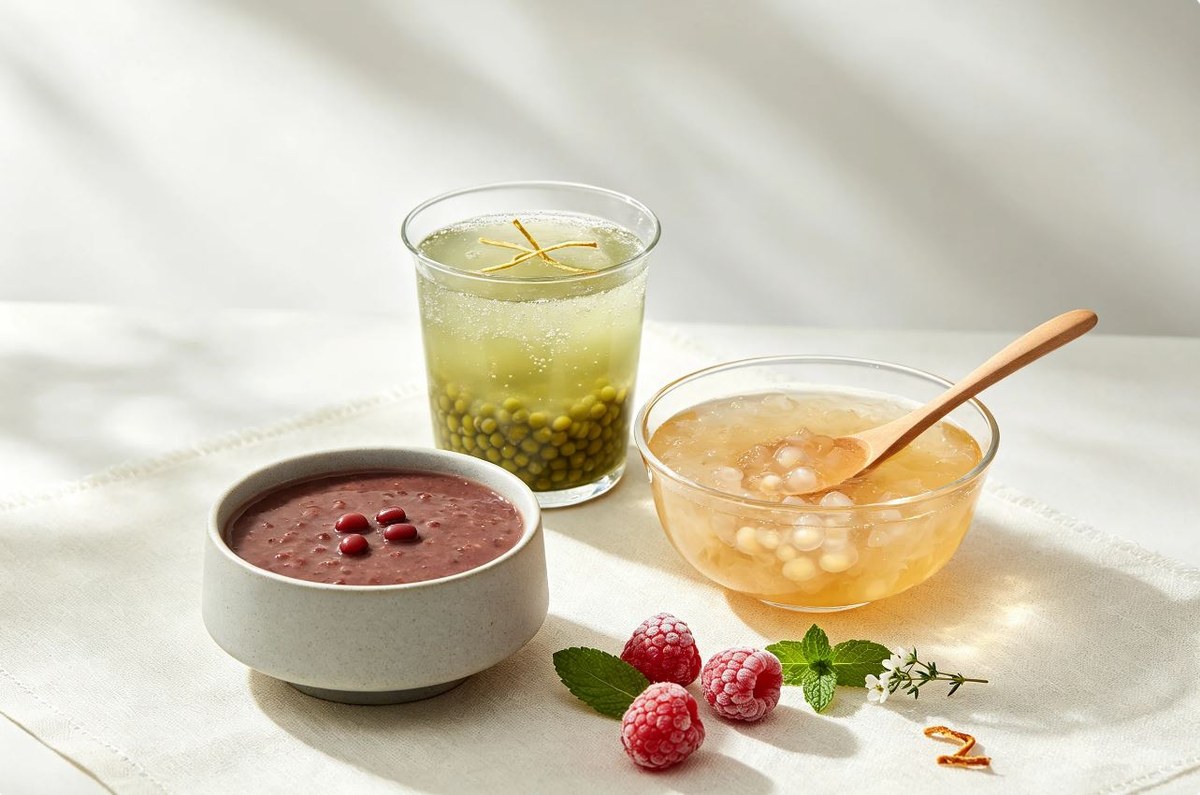
Why Sugar Spikes Happen — and Why These Desserts Behave Differently
To understand why some desserts spike blood sugar and others do not, it helps to look at what is actually in the bowl. Blood sugar spikes are driven primarily by quickly absorbed simple carbohydrates — refined sugar and white flour — which rush into the bloodstream and force the body to produce a surge of insulin. That insulin surge is what leads to the energy crash, the mid-afternoon slump, and the creeping hunger that arrives an hour later. A dessert that spikes you is not really satisfying you; it is setting you up for the next craving.
The desserts in this article take a different approach, and they share three useful characteristics:
- Bean and plant bases first — Mung bean, red bean, and herbal ingredients digest slowly and release their energy steadily rather than all at once.
- Natural rather than added sweetness — The sweetness comes from beans, mango, and fruit — or from plant-based sweeteners used sparingly — instead of a heavy sugar syrup.
- Protein and fiber first — Beans and whole foods add protein and fiber, which slow digestion and help keep blood sugar on an even keel.
Put those three together and you get a dessert that genuinely satisfies the craving while keeping your energy and glucose steady. Here are five that deliver exactly that.
The 5 Best Low-Cal Chinese Wellness Desserts
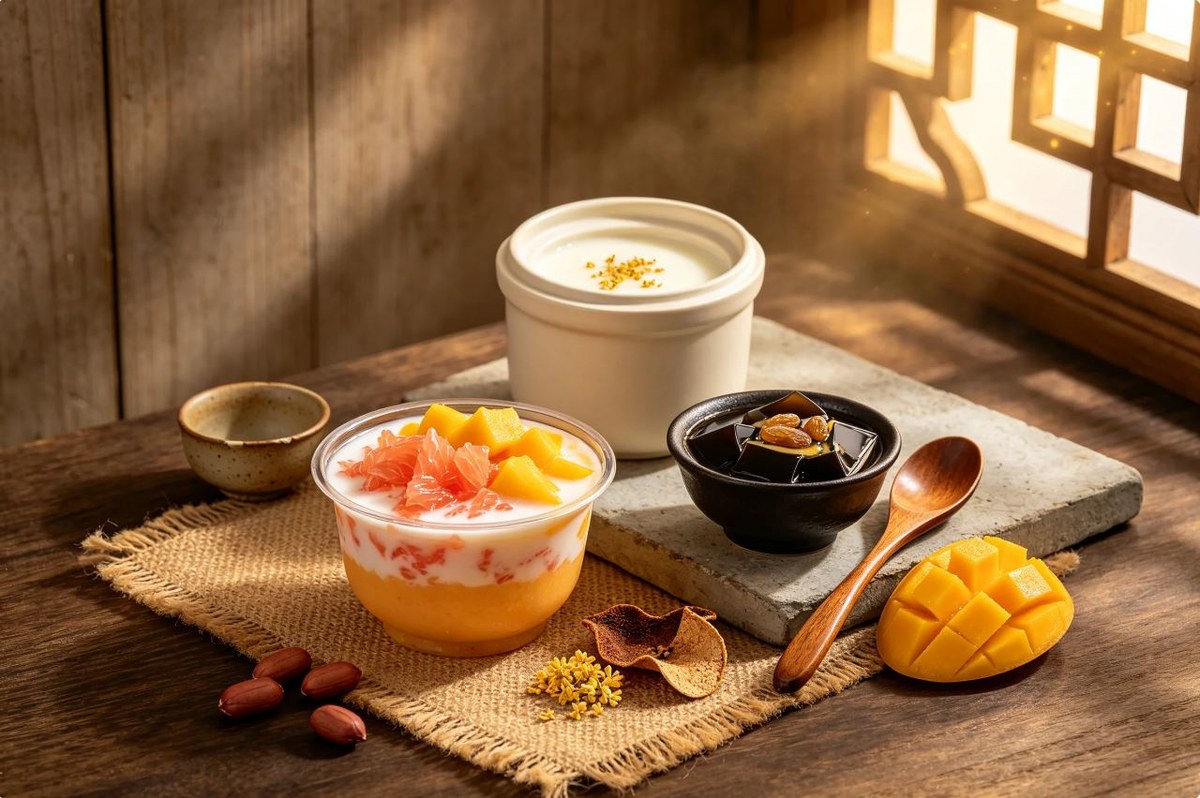
Each of the five bowls below fits naturally into a sugar-conscious lifestyle. They are warm, satisfying, and built on whole-food ingredients, and they all happen to be available as ready-to-eat products from ZeaGrove’s Wellness Chinese desserts collection that take minutes to prepare.
| Low-Cal Dessert | Main Ingredients | Why It Won’t Spike Blood Sugar | Calorie Character |
|---|---|---|---|
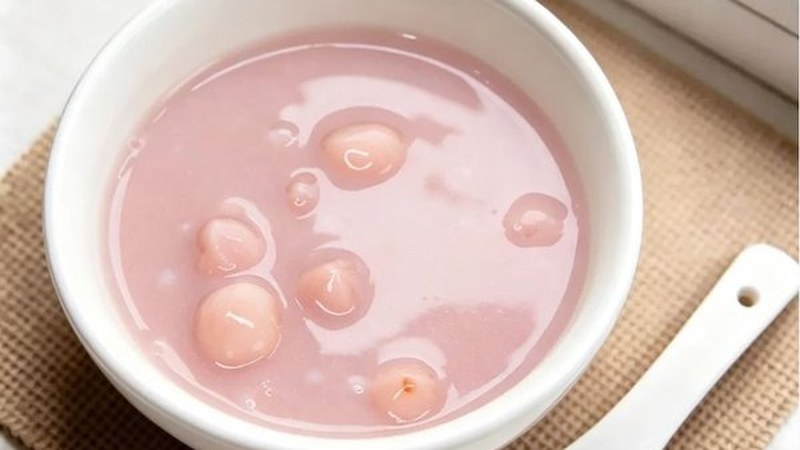
| Pandan Mung Bean Sweet Bowl | Mung bean, pandan, xylitol | Bean-based, plant-sweetened | Light and refreshing |
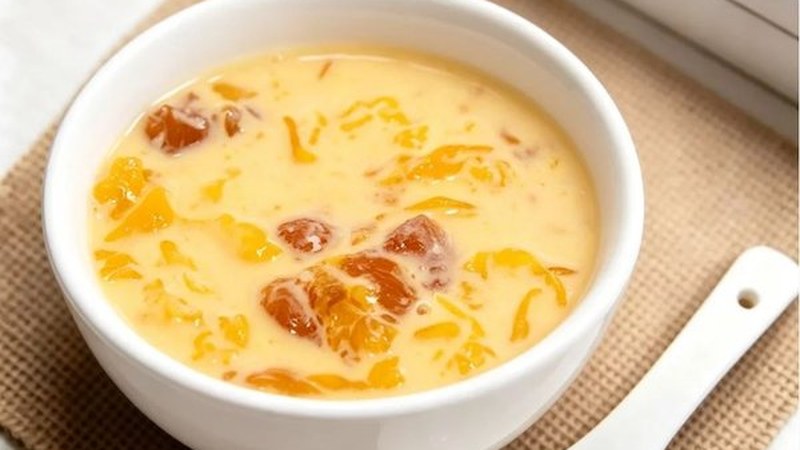
| Mung Bean and Tangerine Peel Soup | Mung bean, tangerine peel | Bean-based, low glycemic index | Very light |
| Guilinggao Herbal Turtle Jelly | Ten traditional herbs | No added sugar, negligible calories | Very low |
| Mango Pomelo Sago Dessert | Mango, pomelo, sago | Fruit-based natural sweetness | Light and tropical |
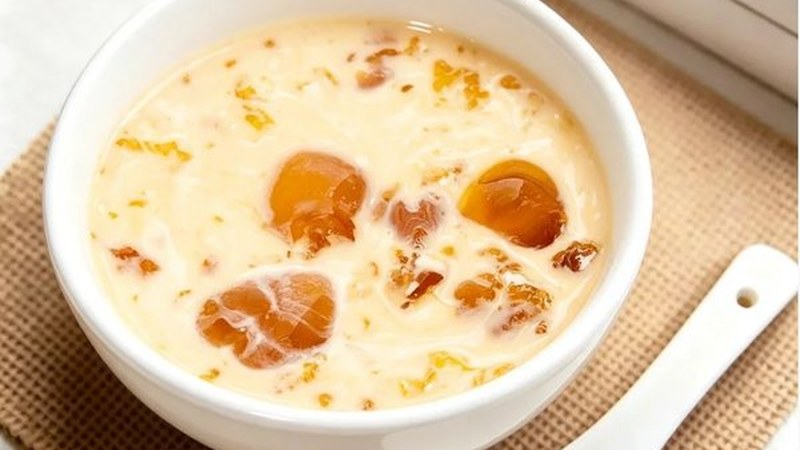
| Aged Tangerine Peel Red Bean Soup | Red bean, tangerine peel, rock sugar | Bean-based, fiber-rich | Mild and balanced |
1. Pandan Mung Bean Sweet Bowl — Plant-Sweetened and Refreshing
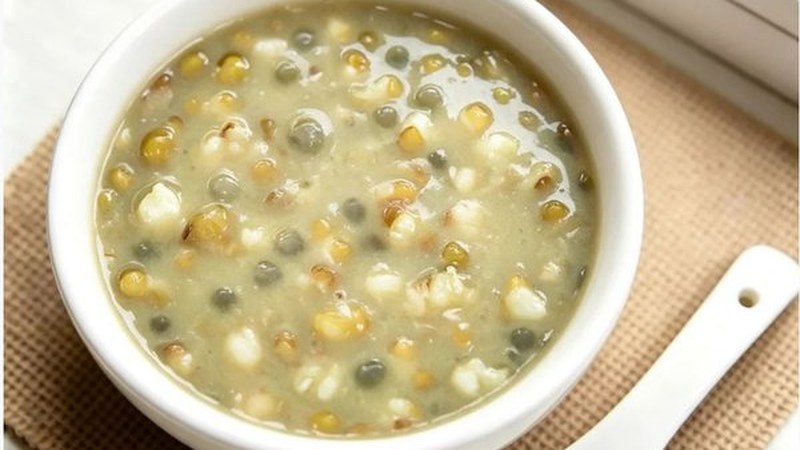
Mung bean is one of the most impressive legumes in Chinese food culture — high in protein and fiber, low in fat, and traditionally used to cool and clear the body. When it is turned into a sweet bowl, it offers a dessert that is genuinely filling without being heavy, because the beans themselves carry the body of the dish and the sweetness is added only as a finishing touch. The pandan version goes one step further by using xylitol, a plant-derived sweetener that does not spike blood sugar the way sugar does.
The flavor profile here is a pleasant surprise for anyone used to Western desserts. Pandan adds a delicate, grassy-almond aroma that is completely natural, and the mung bean gives the bowl a smooth, almost pudding-like texture. It is lighter than the heavier options on this list, which makes it a great choice for an afternoon treat or a warm evening dessert when you want comfort without heaviness.
Why we rate it: for variety, the Pandan Mung Bean Sweet Bowl brings something different to a low-cal rotation — a bean-based dessert that proves sugar-free can also mean genuinely interesting.
2. Mung Bean and Tangerine Peel Soup — The Classic Cooling Bowl
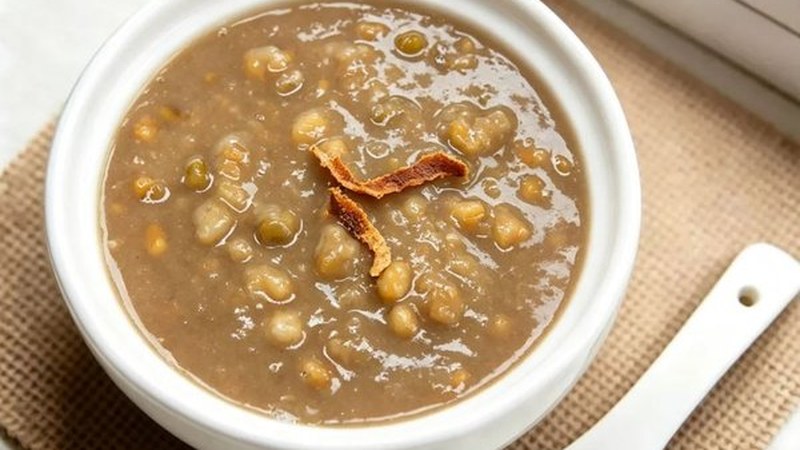
Mung bean soup is one of the oldest and most respected desserts in Chinese food culture — the bowl that families made through the hot months, and that modern nutrition backs up. Mung beans are a rare combination of high protein, high fiber, and low fat, and their carbohydrate content is absorbed slowly enough that they are considered a low glycemic index food. That makes them a genuinely smart choice for anyone who wants a sweet dessert without the glucose rollercoaster.
The addition of tangerine peel does two things at once. It adds a fragrant, slightly citrusy note that lifts the earthy flavor of the beans, and it contributes the traditional digestive-support qualities that have made aged tangerine peel a kitchen staple for centuries. The result is a dessert that is simple on the surface but quietly sophisticated — the kind of bowl you can eat warm on a cool afternoon and feel genuinely good about afterward.
Why we rate it: the Mung Bean and Tangerine Peel Soup is the most classic low-cal dessert on this list — proof that the traditional dessert table already had sugar-conscious options long before the term existed.
3. Guilinggao Herbal Turtle Jelly — Zero Added Sugar, Maximum Balance
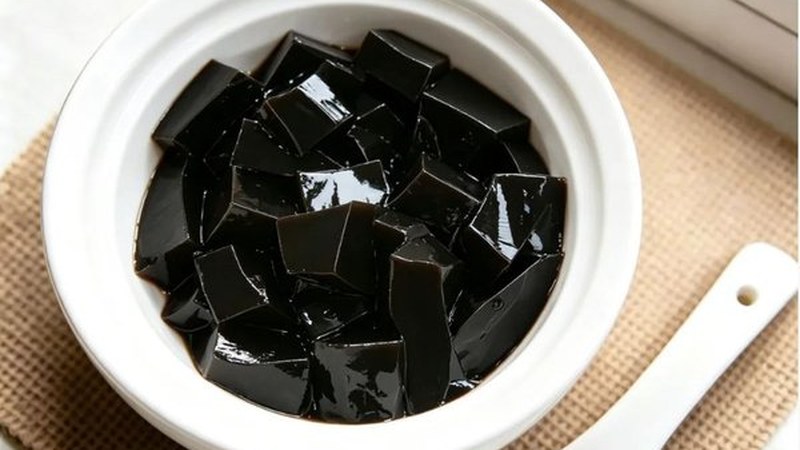
Guilinggao is the dessert that has been part of Chinese food culture for centuries, and it is also one of the most sugar-conscious options you will find anywhere. The traditional recipe blends turtle shell extract with ten herbs — a formula developed over hundreds of years to clear internal heat, support the skin, and help the body find its balance. ZeaGrove’s ready-to-eat version keeps the herbal character intact while staying remarkably low in added sugar, making it one of the safest desserts for anyone managing blood sugar closely.
What makes guilinggao satisfying without sugar is its texture and flavor depth. The jelly has a smooth, firm body that is genuinely pleasant to eat, and the herbs provide a complex, slightly bitter-sweet flavor that satisfies the palate in a way a simple sugar rush never can. It is the dessert to reach for when you want something sweet-ish but have absolutely no room in your day for added calories, or when you want a gentle, balancing treat that feels like a small act of self-care.
Why we rate it: the Guilinggao Herbal Turtle Jelly is the ultimate low-cal fallback — a traditional dessert that has been sugar-light for centuries, and that fits the strictest eating plan without apology.
4. Mango Pomelo Sago Dessert — Tropical Sweetness Straight From the Fruit
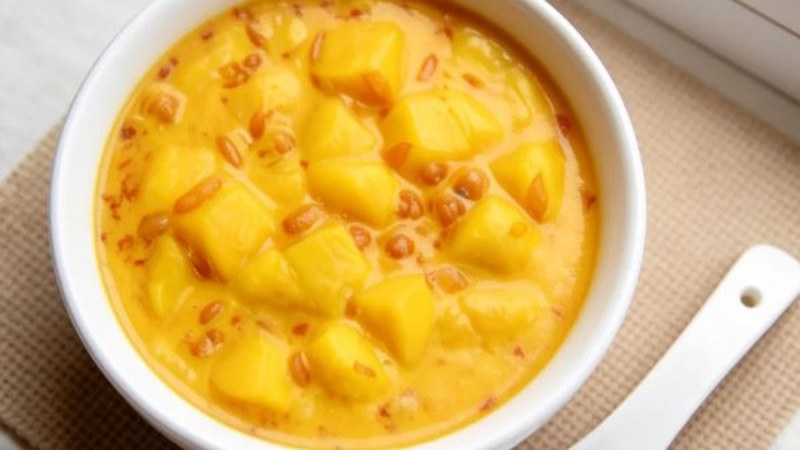
Mango pomelo sago is the dessert that most people assume is indulgent — and then discover it is actually one of the lightest options in Chinese dessert culture. The base is cooked sago pearls, made from tapioca starch, which carry almost no fat and only modest calories. The mango provides genuine sweetness and a generous helping of vitamin C, the pomelo adds a bright citrus contrast, and any coconut milk is used in a measured, plant-based way that keeps the calorie count far below anything you would get from a dairy-based Western dessert.
The clever part is that this dessert gets its entire sweetness from real fruit — no sugar syrup doing the heavy lifting. Because the sweetness arrives packaged inside the fiber of actual mango, it registers more gently on blood sugar than the same sweetness in a refined form would. It is the dessert to reach for when you want something bright, refreshing, and genuinely satisfying on a warm afternoon, or when you want a sweet treat that feels tropical rather than heavy.
Why we rate it: the Mango Pomelo Sago Dessert is the lightest, most refreshing way to satisfy a sweet craving — fruit-sweetened, plant-based, and completely reasonable for a sugar-conscious diet.
5. Aged Tangerine Peel Red Bean Soup — Fiber-Rich Comfort That Keeps You Steady
Red bean soup is the original comfort food of Chinese dessert culture, and it is also a genuinely smart choice for blood sugar. Red beans are high in both soluble fiber and protein, and the combination slows down digestion significantly — which means the natural sweetness of the beans arrives in your system gradually rather than all at once. When you add aged tangerine peel, you get the traditional digestive-support qualities of chenpi on top of the bean base, making this one of the most functional desserts on the list.
This is the dessert for the days when you want something warm, familiar, and deeply satisfying — the kind of bowl that feels like a hug in a bowl. Because it is so filling, a modest serving genuinely replaces the craving for a larger dessert, and the fiber keeps you satisfied for hours. ZeaGrove simmers it slowly until the beans are velvety smooth, so you get the full depth of the traditional pot without the afternoon of cooking.
Why we rate it: the Aged Tangerine Peel Red Bean Soup is comfort food that works for your blood sugar — fiber-rich, bean-based, and filling in exactly the way that stops the sugar spiral before it starts.
How to Satisfy a Sweet Craving Without Derailing Your Day
The mindset shift that makes sugar-conscious eating sustainable is realizing that a craving is not an emergency. It is a signal, and the way you respond to it determines whether it passes or escalates. Here are a few habits that help:
- Warm it up — Warm food is inherently more satisfying to a craving than cold food. Heating your dessert makes it feel like a deliberate treat rather than a quick fix, and it slows the eating process down.
- Eat it slowly — Give the sweetness ten minutes to register. A slow-release dessert becomes more satisfying the slower you eat it, which is the opposite of how sugar works.
- Keep a stocked shelf — The craving is most dangerous when you have nothing good available and the vending machine is calling. Keep these ready-to-eat bowls on hand so the good choice is also the easy choice.
- Pair protein with sweetness — Desserts with protein and fiber, like the mung bean bowls, hold off hunger far longer than a sugar-only dessert, which is the real trick to beating the afternoon crash.
FAQ
Q1: Are these desserts truly low in sugar, or is “low-cal” just a label?
For the ones in this article, the low-cal nature comes from the recipe, not the label. The bean bowls and herbal jelly get their character from beans, herbs, and plants rather than added sugar, and the mango sago dessert gets its sweetness from real fruit. You can always check the ingredient list on the packaging to confirm exactly what is inside.
Q2: Will a dessert made with mung bean or herbs still taste sweet enough?
Yes — and this is the pleasant surprise most people discover. Properly cooked mung bean has a smooth, mild sweetness of its own, and the mango sago dessert is genuinely sweet from the fruit. These desserts are sweet in the way natural food is sweet, which is exactly the taste profile that satisfies a craving without demanding more.
Q3: Can I eat these desserts if I am managing type 2 diabetes?
These bowls are all far gentler on blood sugar than typical desserts, and they were chosen precisely for that reason. However, dietary decisions around diabetes should always be confirmed with your healthcare provider, since individual responses to food vary. The guilinggao, with its minimal added sugar, is generally the most conservative choice.
Q4: How do these compare to regular Chinese desserts in calories?
Typical Westernized or heavily sweetened Chinese desserts can carry 400-600 calories and 40 grams of sugar or more per serving. The desserts in this article are built around beans, herbs, and fruit with minimal sweetener, which typically brings them down to a fraction of that. That is the difference between a dessert that fuels a craving and one that feeds you.
The Bottom Line
A craving for something warm and sweet is not your enemy — it is a normal part of being human, and it deserves a real answer. The five low-cal Chinese wellness desserts in this article provide that answer in a way that respects your blood sugar, your energy, and your goals. Stock your kitchen with one or two of them, warm a bowl when the craving hits, and enjoy the sweetness without the spike.
Ready to stock up? Browse our collection of light and nourishing Chinese dessert products and find the warm bowl that fits your sugar-conscious lifestyle.