Tag: wellness desserts

  • Top 5 Wellness Chinese Desserts to Boost Immunity and Soothe Dryness This Fall

    Top 5 Wellness Chinese Desserts to Boost Immunity and Soothe Dryness This Fall

    As the leaves start to turn and the morning air turns crisp, many of us feel the season change in our own bodies — drier skin, a scratchy throat, and a slight dip in energy as the weather shifts. Traditional Chinese wellness has an answer for exactly this time of year, and it comes in the most comforting form imaginable: warm, nourishing desserts. In Chinese dietary practice, autumn is the season to moisten and protect the lungs, strengthen the immune system, and ease the body gently through the transition. The good news is that you do not have to spend hours in the kitchen to enjoy these seasonal bowls. Here are five wellness Chinese desserts that pair centuries-old wisdom with modern convenience, all designed to boost immunity and soothe dryness this fall.
    Bird Nest Baked Pear slow roasted with rock sugar, a warming lung-soothing wellness Chinese dessert for fall

    Why Fall Calls for Warming, Moistening Desserts

    Autumn brings a unique set of challenges for the body. In traditional Chinese medicine, this period is associated with “autumn dryness” — a dryness that tends to settle in the lungs, throat, skin, and digestive system. As temperatures drop and humidity falls, the immune system also has to work harder against the seasonal colds and respiratory complaints that seem to arrive with the first cool snap. Warm food plays a surprisingly important role here. A gently cooked dessert takes less energy to digest, supports circulation, and delivers nourishment in a form the body can absorb easily.

    That is why Chinese dessert culture has long favored a few simple principles in the fall:

    • Moisture first — Ingredients like pear, snow fungus, and lotus seed are prized for their ability to hydrate and protect the lungs and skin from autumn dryness.
    • Warm, not cold — Warm bowls are easier on the stomach and keep the digestive fire steady, which supports overall immunity.
    • Nourishing but light — Fall desserts should comfort without weighing you down, using ingredients that rebuild energy slowly and steadily.

    When you look at the five desserts below through this lens, a clear pattern emerges: every single one moisturizes, warms, and supports the body’s defenses at the exact moment it needs them most.

    The 5 Best Wellness Chinese Desserts for Fall

    The five desserts below represent the sweet spot between traditional Chinese dietary wisdom and real, everyday convenience. All of them are available as ready-to-eat products from ZeaGrove’s Wellness Chinese desserts collection, so you can enjoy a proper seasonal dessert on a busy weekday without pulling out a pot and a bag of raw ingredients.

    Wellness Dessert Key Ingredients What It Does in Fall Best Time to Enjoy
    Bird Nest Baked Pear Snow pear, rock sugar, bird’s nest Moistens the throat and lungs, soothes dryness After dinner
    Ginseng and Snow Fungus Dessert Ginseng, snow fungus (tremella), goji berry Boosts vitality and deep hydration Early afternoon
    Guilinggao Herbal Turtle Jelly Ten traditional herbs, turtle shell extract Supports immune defense, clears internal heat Any time
    Aged Tangerine Peel Red Bean Soup Aged tangerine peel, red bean, rock sugar Warms digestion, settles the stomach After heavy meals
    Double Skin Milk Pudding Whole milk, egg white, rock sugar Nourishes and comforts on cool evenings Evening dessert

    1. Bird Nest Baked Pear — The Classic Lung-Soothing Warmth

    Bird Nest Baked Pear slow roasted with rock sugar in a ready-to-eat cup, a warming lung-soothing Chinese dessert

    The baked pear is one of the most beloved autumn desserts in Chinese food culture, and for good reason. Snow pears are naturally high in water and quercetin, and traditional practice uses them to moisten a dry throat, ease a tickling cough, and support lung health as the weather cools. Slow-roasting the pear with rock sugar draws out its natural sweetness, concentrates its soothing qualities, and produces a soft, honeyed texture that feels deeply comforting on a chilly evening.

    ZeaGrove’s take on this classic adds a layer of real bird’s nest to the roasted pear, so the bowl offers the traditional lung-nourishing effect of the pear plus the immune and skin benefits of the nest. It is the kind of dessert you reach for after a long day, when the air has been dry and your throat feels tight, or when you simply want a warm, sweet end to dinner that does not sit heavy.

    Why we rate it: nothing else on this list targets throat and lung dryness quite as directly. The Bird Nest Baked Pear is also a thoughtful gift for older family members, who are often the ones most affected by seasonal dryness.

    2. Ginseng and Snow Fungus Dessert — Herbal Vitality in a Bowl
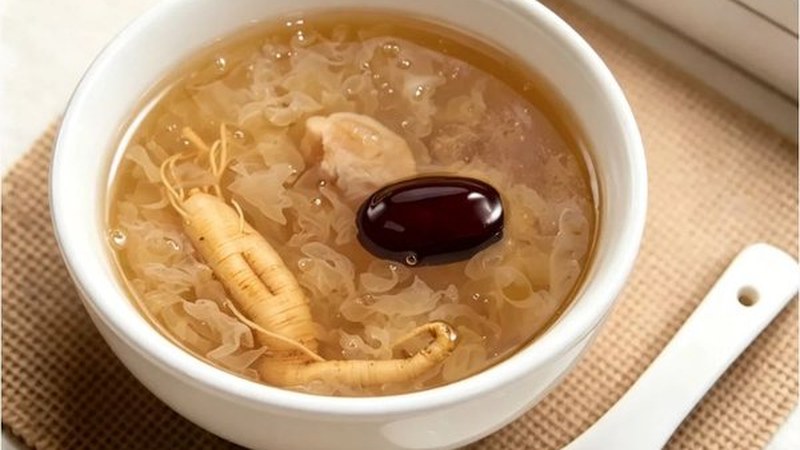
    Ginseng and Snow Fungus Dessert with premium herbs, a nourishing ready-to-eat wellness Chinese dessert

    Where the baked pear focuses on moisture, this one focuses on energy. Snow fungus — also known as tremella — has been called the “poor man’s bird’s nest” because it shares many of the same polysaccharides that support hydration and skin health, but at a far more accessible price point. When you pair snow fungus with ginseng, you get a dessert that does double duty: the tremella moisturizes from the inside, while the ginseng supports stamina, concentration, and the immune response that tends to flag during seasonal change.

    The texture is where this dessert really shines. Properly stewed snow fungus has a delicate, jelly-like body that clings to the spoon, and ZeaGrove prepares it so that the fungus remains distinct and silky rather than dissolving into the liquid. It is lightly sweet, warming, and substantial enough to serve as a mid-afternoon pick-me-up that replaces a snack you would not otherwise think twice about.

    Why we rate it: if your fall problem is more about fatigue than dryness, the Ginseng and Snow Fungus Dessert is the bowl for you — it brings the energy of a tonic and the comfort of a dessert together.

    3. Guilinggao Herbal Turtle Jelly — A Cooling Herbal Classic for the Season
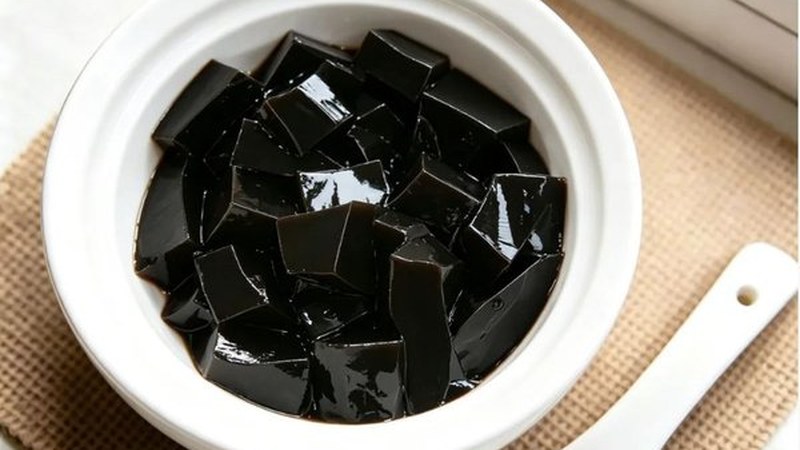
    Guilinggao Herbal Turtle Jelly with ten traditional herbs in a chilled ready-to-eat dessert cup

    Guilinggao is one of the most storied desserts in Chinese food culture, with a history that stretches back centuries. Its name translates to “turtle jelly” — the traditional recipe combines turtle shell extract with a blend of ten herbs that have been used for generations to clear internal heat, support the skin, and bolster the body’s defenses. Modern versions keep that herbal heritage while making the dessert approachable, and ZeaGrove’s ready-to-eat cup is exactly that: a smooth, lightly sweet jelly that carries the quiet power of traditional herbal wisdom.

    For fall, guilinggao earns its place on this list in a different way from the warming bowls above. The change of season is a common time for the body to feel “off balance” — pimples appearing, a lingering sense of internal heat even as the air turns cold, disrupted sleep. Guilinggao’s traditional role is to settle exactly these signs, which makes it a valuable complement to the more obvious moisture-focused desserts. It is served chilled, and many people enjoy it in the afternoon as a gentle reset.

    Why we rate it: the Guilinggao Herbal Turtle Jelly brings a different kind of wellness to your fall rotation — not moisture, but balance, in one of the most traditional desserts in the Chinese canon.

    4. Aged Tangerine Peel Red Bean Soup — Warming Digestion, Gentle Comfort

    Rounding out the list is a dessert that approaches fall wellness from the digestion side. Aged tangerine peel — chenpi — is a staple of Chinese cooking that has been valued for hundreds of years for its ability to warm the stomach, settle the digestion, and help the body process dampness and congestion. Combined with slowly simmered red beans, it becomes a dessert that is simultaneously soothing to the gut and deeply comforting, which makes it particularly well suited to the weeks when the season is still undecided.

    Red bean soup is the original comfort food of Chinese dessert culture — the bowl grandmothers made, the dessert that appears at family gatherings and festival tables. The addition of aged tangerine peel lifts it beyond the ordinary, adding a fragrant, slightly bitter edge that balances the natural sweetness of the beans and makes the whole bowl feel lighter on the stomach. ZeaGrove prepares it slowly until the beans are velvety smooth, so you get the depth of a long-simmered pot without spending the afternoon over a stove.

    Why we rate it: when the cooling air brings heavy meals and a sluggish stomach, the Aged Tangerine Peel Red Bean Soup is the warm, gentle bowl that settles everything — digestion, mood, and the craving for comfort all at once.

    5. Double Skin Milk Pudding — The Nourishing Classic for Cool Evenings

    No list of wellness Chinese desserts would be complete without double skin milk pudding, a Cantonese classic that has been handmade for over a century. The dish is deceptively simple — whole milk, egg white, and a little rock sugar — but the preparation is an art. The milk is heated and cooled twice to form the delicate double “skin” on the surface, and the result is a silky, custard-like pudding that feels like the definition of comfort food.

    For autumn, double skin milk pudding is the dessert for cool evenings when you want something warm, soft, and deeply soothing. The milk provides protein and calcium, the gentle sweetness satisfies a craving without overwhelming the palate, and the smooth texture is easy on even the most tired digestive system. It is the kind of dessert that belongs at the end of a long autumn day, when the darkness comes earlier and a warm, gentle bowl is exactly what the moment calls for.

    Why we rate it: the Double Skin Milk Pudding is the most purely comforting dessert on this list — a traditional Cantonese classic that proves wellness food can also be simply delicious.

    How to Build These Desserts Into Your Fall Routine

    You do not need to overhaul your entire diet to feel the difference this season. Consistency matters far more than quantity, and a single well-chosen dessert eaten regularly will outperform a dozen different ones eaten sporadically. Here is how to make these five bowls work with your actual week:

    • Rotate by time of day — Keep the ginseng snow fungus dessert for a mid-afternoon energy reset, let the baked pear close out your evening, and save the guilinggao for the moments when you feel a little off balance.
    • Keep a week’s supply on hand — All of these are shelf-stable ready-to-eat products, so stock a small variety and rotate through them. A warm bowl takes under five minutes to prepare.
    • Match the bowl to how you feel — Dry throat and skin? Reach for the baked pear. Low energy and sluggish? The ginseng snow fungus is your pick. A heavy stomach after a big meal? The aged tangerine peel red bean soup settles it.
    • Pair with warm water — A simple habit like drinking warm water with your dessert reinforces the moistening effect and helps the body transition smoothly between the seasons.

    FAQ

    Q1: What is “autumn dryness” and why does it affect immunity?
    Autumn dryness refers to the effect of cooler, lower-humidity air on the body — particularly the lungs, throat, and skin, which dry out and become more vulnerable. Traditional Chinese medicine holds that a dry and weakened lung system makes the body more susceptible to seasonal colds, which is why fall menus traditionally emphasize moistening ingredients like pear, snow fungus, and lotus seed.

    Q2: Are these desserts actually good for immunity, or is it just tradition?
    Both. Modern nutrition research supports several of the core ingredients: bird’s nest is rich in sialic acid, which plays a role in immune signaling; snow fungus and red bean contain polysaccharides and fiber linked to immune support; and the herbs in guilinggao have a documented history in traditional wellness. The traditional framework and the modern science point in the same direction — these are genuinely nourishing foods.

    Q3: Can I eat more than one of these a day?
    Yes. They are all light, warm, and easy to digest, so eating two across the day is perfectly reasonable. Most people find that one warm bowl and one chilled treat like the guilinggao across the day works best — just be mindful that the ginseng version is more energizing, so it is best enjoyed earlier in the day.

    Q4: How do I prepare a ready-to-eat dessert like these?
    For the warm bowls, simply warm them gently — either in a warm-water bath or a small pot over low heat. For the chilled desserts like guilinggao, enjoy straight from the cup. Avoid boiling the bird’s nest versions, as high heat can break down the delicate nest strands.

    The Bottom Line

    Fall is one of the kindest seasons to make small, deliberate changes to your diet, because the weather does half the convincing for you. When the air turns dry and the immune system needs support, a warm wellness Chinese dessert is one of the most pleasant ways to respond. Choose the bowl that matches how you feel, keep it on hand, and make it a daily ritual for a few weeks — your throat, your skin, and your energy levels will thank you.

    Ready to bring the season’s comfort home? Explore our full collection of wellness Chinese dessert products and stock up on the bowls that will carry you comfortably through autumn.
  • Craving sweets but avoiding sugar? These 5 low-cal Chinese wellness desserts warm you up without spiking blood sugar.

    Craving sweets but avoiding sugar? These 5 low-cal Chinese wellness desserts warm you up without spiking blood sugar.

    There is a moment most of us know very well: it is late afternoon, the energy dips, and suddenly a warm, sweet dessert sounds like the only thing that will make the day feel right again. But if you are watching your sugar intake — because of blood sugar concerns, weight goals, or simply a determination to eat cleaner — that craving can feel like a trap. The good news is that it does not have to be. Chinese dessert culture is far less sugar-forward than Western dessert culture, and a whole family of traditional bowls is built on gentle natural sweetness, whole grains, beans, and plants rather than spoonfuls of refined sugar. These five low-cal Chinese wellness desserts warm you up, satisfy the craving, and keep blood sugar steady — no guilt required.

    Pandan Mung Bean Sweet Bowl lightly sweetened with xylitol, a low calorie Chinese wellness dessert for steady blood sugar

    Why Sugar Spikes Happen — and Why These Desserts Behave Differently

    To understand why some desserts spike blood sugar and others do not, it helps to look at what is actually in the bowl. Blood sugar spikes are driven primarily by quickly absorbed simple carbohydrates — refined sugar and white flour — which rush into the bloodstream and force the body to produce a surge of insulin. That insulin surge is what leads to the energy crash, the mid-afternoon slump, and the creeping hunger that arrives an hour later. A dessert that spikes you is not really satisfying you; it is setting you up for the next craving.

    The desserts in this article take a different approach, and they share three useful characteristics:

    • Bean and plant bases first — Mung bean, red bean, and herbal ingredients digest slowly and release their energy steadily rather than all at once.
    • Natural rather than added sweetness — The sweetness comes from beans, mango, and fruit — or from plant-based sweeteners used sparingly — instead of a heavy sugar syrup.
    • Protein and fiber first — Beans and whole foods add protein and fiber, which slow digestion and help keep blood sugar on an even keel.

    Put those three together and you get a dessert that genuinely satisfies the craving while keeping your energy and glucose steady. Here are five that deliver exactly that.

    The 5 Best Low-Cal Chinese Wellness Desserts

    Each of the five bowls below fits naturally into a sugar-conscious lifestyle. They are warm, satisfying, and built on whole-food ingredients, and they all happen to be available as ready-to-eat products from ZeaGrove’s Wellness Chinese desserts collection that take minutes to prepare.

    Low-Cal Dessert Main Ingredients Why It Won’t Spike Blood Sugar Calorie Character
    Pandan Mung Bean Sweet Bowl Mung bean, pandan, xylitol Bean-based, plant-sweetened Light and refreshing
    Mung Bean and Tangerine Peel Soup Mung bean, tangerine peel Bean-based, low glycemic index Very light
    Guilinggao Herbal Turtle Jelly Ten traditional herbs No added sugar, negligible calories Very low
    Mango Pomelo Sago Dessert Mango, pomelo, sago Fruit-based natural sweetness Light and tropical
    Aged Tangerine Peel Red Bean Soup Red bean, tangerine peel, rock sugar Bean-based, fiber-rich Mild and balanced

    1. Pandan Mung Bean Sweet Bowl — Plant-Sweetened and Refreshing

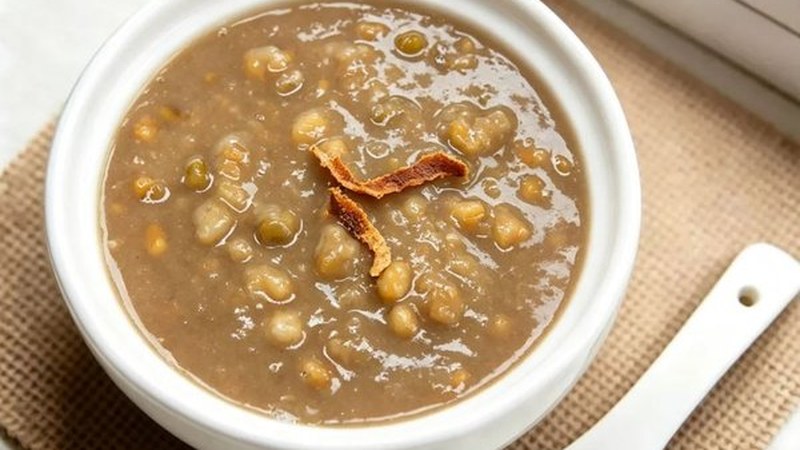
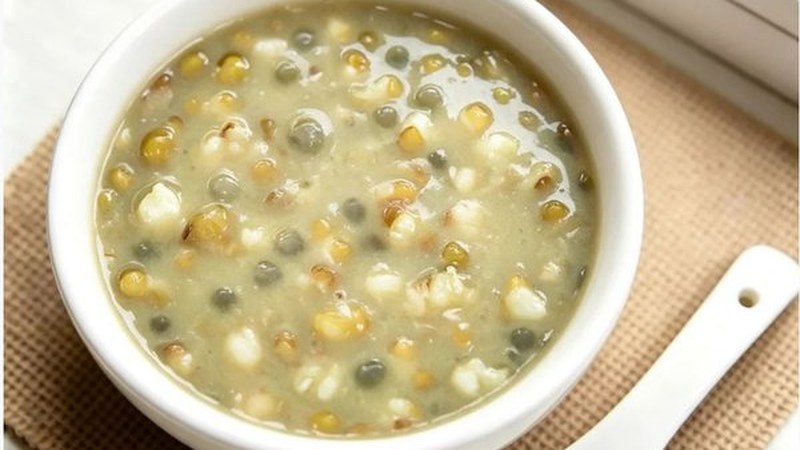
    Pandan Mung Bean Sweet Bowl with mung bean and pandan, lightly sweetened with xylitol in a ready-to-eat cup

    Mung bean is one of the most impressive legumes in Chinese food culture — high in protein and fiber, low in fat, and traditionally used to cool and clear the body. When it is turned into a sweet bowl, it offers a dessert that is genuinely filling without being heavy, because the beans themselves carry the body of the dish and the sweetness is added only as a finishing touch. The pandan version goes one step further by using xylitol, a plant-derived sweetener that does not spike blood sugar the way sugar does.

    The flavor profile here is a pleasant surprise for anyone used to Western desserts. Pandan adds a delicate, grassy-almond aroma that is completely natural, and the mung bean gives the bowl a smooth, almost pudding-like texture. It is lighter than the heavier options on this list, which makes it a great choice for an afternoon treat or a warm evening dessert when you want comfort without heaviness.

    Why we rate it: for variety, the Pandan Mung Bean Sweet Bowl brings something different to a low-cal rotation — a bean-based dessert that proves sugar-free can also mean genuinely interesting.

    2. Mung Bean and Tangerine Peel Soup — The Classic Cooling Bowl

    Mung Bean and Tangerine Peel Soup, a light low calorie Chinese wellness dessert with slow-release energy

    Mung bean soup is one of the oldest and most respected desserts in Chinese food culture — the bowl that families made through the hot months, and that modern nutrition backs up. Mung beans are a rare combination of high protein, high fiber, and low fat, and their carbohydrate content is absorbed slowly enough that they are considered a low glycemic index food. That makes them a genuinely smart choice for anyone who wants a sweet dessert without the glucose rollercoaster.

    The addition of tangerine peel does two things at once. It adds a fragrant, slightly citrusy note that lifts the earthy flavor of the beans, and it contributes the traditional digestive-support qualities that have made aged tangerine peel a kitchen staple for centuries. The result is a dessert that is simple on the surface but quietly sophisticated — the kind of bowl you can eat warm on a cool afternoon and feel genuinely good about afterward.

    Why we rate it: the Mung Bean and Tangerine Peel Soup is the most classic low-cal dessert on this list — proof that the traditional dessert table already had sugar-conscious options long before the term existed.

    3. Guilinggao Herbal Turtle Jelly — Zero Added Sugar, Maximum Balance

    Guilinggao Herbal Turtle Jelly with ten herbs and no added sugar, a zero sugar low calorie Chinese wellness dessert

    Guilinggao is the dessert that has been part of Chinese food culture for centuries, and it is also one of the most sugar-conscious options you will find anywhere. The traditional recipe blends turtle shell extract with ten herbs — a formula developed over hundreds of years to clear internal heat, support the skin, and help the body find its balance. ZeaGrove’s ready-to-eat version keeps the herbal character intact while staying remarkably low in added sugar, making it one of the safest desserts for anyone managing blood sugar closely.

    What makes guilinggao satisfying without sugar is its texture and flavor depth. The jelly has a smooth, firm body that is genuinely pleasant to eat, and the herbs provide a complex, slightly bitter-sweet flavor that satisfies the palate in a way a simple sugar rush never can. It is the dessert to reach for when you want something sweet-ish but have absolutely no room in your day for added calories, or when you want a gentle, balancing treat that feels like a small act of self-care.

    Why we rate it: the Guilinggao Herbal Turtle Jelly is the ultimate low-cal fallback — a traditional dessert that has been sugar-light for centuries, and that fits the strictest eating plan without apology.

    4. Mango Pomelo Sago Dessert — Tropical Sweetness Straight From the Fruit

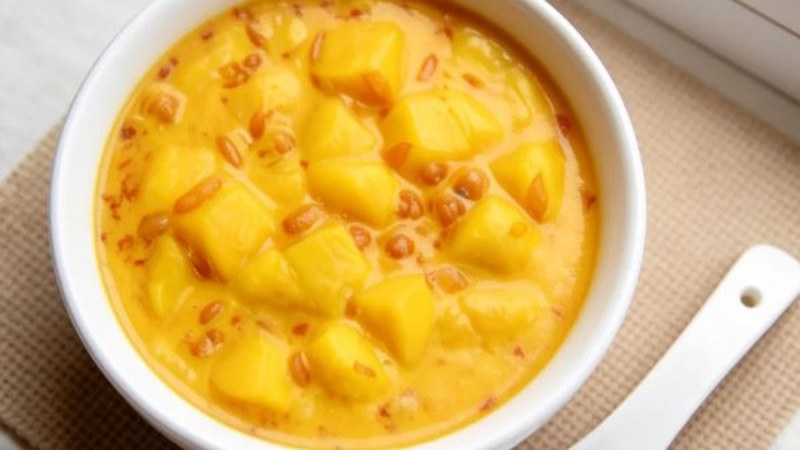
    Mango Pomelo Sago Dessert made with real tropical fruit, a light low calorie Chinese wellness dessert

    Mango pomelo sago is the dessert that most people assume is indulgent — and then discover it is actually one of the lightest options in Chinese dessert culture. The base is cooked sago pearls, made from tapioca starch, which carry almost no fat and only modest calories. The mango provides genuine sweetness and a generous helping of vitamin C, the pomelo adds a bright citrus contrast, and any coconut milk is used in a measured, plant-based way that keeps the calorie count far below anything you would get from a dairy-based Western dessert.

    The clever part is that this dessert gets its entire sweetness from real fruit — no sugar syrup doing the heavy lifting. Because the sweetness arrives packaged inside the fiber of actual mango, it registers more gently on blood sugar than the same sweetness in a refined form would. It is the dessert to reach for when you want something bright, refreshing, and genuinely satisfying on a warm afternoon, or when you want a sweet treat that feels tropical rather than heavy.

    Why we rate it: the Mango Pomelo Sago Dessert is the lightest, most refreshing way to satisfy a sweet craving — fruit-sweetened, plant-based, and completely reasonable for a sugar-conscious diet.

    5. Aged Tangerine Peel Red Bean Soup — Fiber-Rich Comfort That Keeps You Steady

    Red bean soup is the original comfort food of Chinese dessert culture, and it is also a genuinely smart choice for blood sugar. Red beans are high in both soluble fiber and protein, and the combination slows down digestion significantly — which means the natural sweetness of the beans arrives in your system gradually rather than all at once. When you add aged tangerine peel, you get the traditional digestive-support qualities of chenpi on top of the bean base, making this one of the most functional desserts on the list.

    This is the dessert for the days when you want something warm, familiar, and deeply satisfying — the kind of bowl that feels like a hug in a bowl. Because it is so filling, a modest serving genuinely replaces the craving for a larger dessert, and the fiber keeps you satisfied for hours. ZeaGrove simmers it slowly until the beans are velvety smooth, so you get the full depth of the traditional pot without the afternoon of cooking.

    Why we rate it: the Aged Tangerine Peel Red Bean Soup is comfort food that works for your blood sugar — fiber-rich, bean-based, and filling in exactly the way that stops the sugar spiral before it starts.

    How to Satisfy a Sweet Craving Without Derailing Your Day

    The mindset shift that makes sugar-conscious eating sustainable is realizing that a craving is not an emergency. It is a signal, and the way you respond to it determines whether it passes or escalates. Here are a few habits that help:

    • Warm it up — Warm food is inherently more satisfying to a craving than cold food. Heating your dessert makes it feel like a deliberate treat rather than a quick fix, and it slows the eating process down.
    • Eat it slowly — Give the sweetness ten minutes to register. A slow-release dessert becomes more satisfying the slower you eat it, which is the opposite of how sugar works.
    • Keep a stocked shelf — The craving is most dangerous when you have nothing good available and the vending machine is calling. Keep these ready-to-eat bowls on hand so the good choice is also the easy choice.
    • Pair protein with sweetness — Desserts with protein and fiber, like the mung bean bowls, hold off hunger far longer than a sugar-only dessert, which is the real trick to beating the afternoon crash.

    FAQ

    Q1: Are these desserts truly low in sugar, or is “low-cal” just a label?
    For the ones in this article, the low-cal nature comes from the recipe, not the label. The bean bowls and herbal jelly get their character from beans, herbs, and plants rather than added sugar, and the mango sago dessert gets its sweetness from real fruit. You can always check the ingredient list on the packaging to confirm exactly what is inside.

    Q2: Will a dessert made with mung bean or herbs still taste sweet enough?
    Yes — and this is the pleasant surprise most people discover. Properly cooked mung bean has a smooth, mild sweetness of its own, and the mango sago dessert is genuinely sweet from the fruit. These desserts are sweet in the way natural food is sweet, which is exactly the taste profile that satisfies a craving without demanding more.

    Q3: Can I eat these desserts if I am managing type 2 diabetes?
    These bowls are all far gentler on blood sugar than typical desserts, and they were chosen precisely for that reason. However, dietary decisions around diabetes should always be confirmed with your healthcare provider, since individual responses to food vary. The guilinggao, with its minimal added sugar, is generally the most conservative choice.

    Q4: How do these compare to regular Chinese desserts in calories?
    Typical Westernized or heavily sweetened Chinese desserts can carry 400-600 calories and 40 grams of sugar or more per serving. The desserts in this article are built around beans, herbs, and fruit with minimal sweetener, which typically brings them down to a fraction of that. That is the difference between a dessert that fuels a craving and one that feeds you.

    The Bottom Line

    A craving for something warm and sweet is not your enemy — it is a normal part of being human, and it deserves a real answer. The five low-cal Chinese wellness desserts in this article provide that answer in a way that respects your blood sugar, your energy, and your goals. Stock your kitchen with one or two of them, warm a bowl when the craving hits, and enjoy the sweetness without the spike.

    Ready to stock up? Browse our collection of light and nourishing Chinese dessert products and find the warm bowl that fits your sugar-conscious lifestyle.

  • Losing weight but craving sweets? These 5 low-fat glutinous rice desserts won’t ruin your fitness goals

    Losing weight but craving sweets? These 5 low-fat glutinous rice desserts won’t ruin your fitness goals

    If you are on a weight-loss journey, one of the hardest things to give up is dessert. The good news is that you do not have to. Chinese dessert culture offers something Western desserts rarely do: a whole family of warm, satisfying sweet bowls built on sticky-textured sago, creamy taro, silky peach gum, and beans rather than butter, cream, and oil. These are the “glutinous” desserts of Chinese tradition — the ones with the dense, sticky, satisfying texture that makes a small bowl feel like a feast — and they comfort without the fat-and-calorie price tag of a typical Western sweet. The five low-fat glutinous rice desserts in this article will satisfy your sweet tooth on the coldest days of the year without quietly wrecking the fitness goals you have worked so hard for.

    Mango Peach Gum Dessert with plant collagen and snow fungus, a low fat glutinous Chinese wellness dessert for fitness

    Why Glutinous-Texture Desserts Fit a Fitness Diet Better Than You’d Think

    Before we look at the five bowls, it is worth clearing up a common misconception. Glutinous rice and sticky-textured desserts have nothing to do with gluten, and they are not inherently fattening. The word “glutinous” refers to the dense, sticky, satisfying texture that comes from starch — the same quality that makes sago pearls cling together and taro turn creamy. What makes or breaks a dessert for a weight-loss diet is rarely the starch itself; it is everything else that gets added around it. A dessert made with butter, heavy cream, and deep-fried pastry will be high in fat no matter what base it uses, while a dessert made with sago, taro, peach gum, and a light touch of sweetness stays low in fat by its very nature.

    The five desserts below share a fitness-friendly profile:

    • Naturally low in fat — The base is sago, taro, fruit, and beans, not butter or cream, so the fat content stays low without any effort.
    • Genuinely filling — Sticky-textured desserts are dense and satisfying, so a modest bowl keeps you full for hours and actually reduces the total calories you eat later in the day.
    • Built on whole foods — When the sweetness comes from fruit and the richness comes from plant-based ingredients, a dessert can be both satisfying and aligned with a fitness plan.

    With that framing, here are the five best low-fat glutinous-texture desserts that will not ruin your fitness goals.

    The 5 Best Low-Fat Glutinous Rice Desserts

    Each of these desserts is available as a ready-to-eat product from ZeaGrove’s Wellness Chinese desserts collection, so you can enjoy a proper bowl of comfort food after a workout or on a cold evening without spending an hour in the kitchen or throwing a week’s worth of fat budget out the window.

    Low-Fat Dessert Main Ingredients Why It Fits a Fitness Diet Best Moment to Enjoy
    Mango Pomelo Sago Dessert Mango, pomelo, sago, coconut milk Fruit-based sweetness, no baking fats After a workout
    Mango Peach Gum Dessert Mango, peach gum, snow fungus Plant collagen, no dairy fat Post-dinner treat
    Coconut Mango Peach Gum Sweet Soup Peach gum, mango, coconut Tropical, plant-based, light Warm afternoon bowl
    Taro and Lotus Seed Sweet Soup Taro, lotus seed, coconut Creamy texture without dairy cream Comfort evening bowl
    Aged Tangerine Peel Red Bean Soup Red bean, tangerine peel Bean-based, fiber-rich, filling Any day, any time

    1. Mango Pomelo Sago Dessert — A Tropical Dessert That Earns Its Calories

    Mango Pomelo Sago Dessert made with real tropical fruit and sago pearls in a ready-to-eat cup, low fat Chinese dessert

    Mango pomelo sago is the dessert that most people assume is indulgent — and then discover it is actually one of the lightest options in Chinese dessert culture. The base is cooked sago pearls, made from tapioca starch, which carry almost no fat and provide the sticky, satisfying chew that makes this a “glutinous” family dessert in the best way. The mango provides genuine sweetness and a generous helping of vitamin C, the pomelo adds a bright citrus contrast, and the coconut milk adds creaminess in a measured, plant-based way that keeps the fat content far below anything you would get from a dairy-based Western dessert.

    This is the dessert to reach for after a workout. The mango delivers quick, clean energy and the sago provides the chewy, satisfying texture that makes a modest portion feel like a feast. Because there is no butter, no pastry, and no deep-fried element, the calorie and fat profile stays genuinely friendly, and the taste is exactly the tropical treat you were craving.

    Why we rate it: the Mango Pomelo Sago Dessert is proof that a fitness-friendly dessert can still be vibrant, tropical, and thoroughly satisfying.

    2. Mango Peach Gum Dessert — Plant Collagen Without the Fat

    Mango Peach Gum Dessert with plant collagen and snow fungus, a low fat glutinous Chinese wellness dessert

    Peach gum is one of the most interesting ingredients in modern Chinese dessert culture. It is a resin that comes from peach trees, and traditional food culture has prized it for centuries for its skin-supporting properties — it is often described as “plant collagen” because of the polysaccharides it shares with bird’s nest, at a fraction of the cost. When it is paired with mango and snow fungus, you get a dessert that combines the silky, jelly-like texture of the gum with real fruit sweetness and deep hydration.

    For anyone with fitness goals, this dessert is a gift. The peach gum adds satisfying body and texture without adding fat, the mango provides the sweetness, and the whole bowl stays naturally light. Because it is so low in fat and built on plants, it fits into almost any eating plan, and the fact that it also supports skin health means you get a beauty benefit alongside your weight management. It is the dessert to reach for when you want something sweet, silky, and genuinely good for you.

    Why we rate it: the Mango Peach Gum Dessert gives you plant collagen, real fruit, and a silky-satisfying texture with a fat profile your fitness plan will barely notice.

    3. Coconut Mango Peach Gum Sweet Soup — Tropical Richness, Plant-Based and Light

    Coconut Mango Peach Gum Sweet Soup with tropical flavors and plant collagen, a low fat Chinese wellness dessert

    Where the mango peach gum dessert is clean and silky, this version adds a layer of coconut that makes it feel richer — while staying firmly on the light side. Coconut milk provides healthy plant fats in moderation, and when it is combined with mango, peach gum, and snow fungus, the result is a sweet soup with real depth and a genuinely tropical character. It tastes like a vacation in a bowl, and it happens to be built almost entirely on plants.

    This is the dessert to reach for when you want something that does not feel like you are “on a diet” at all. The coconut gives it the kind of creamy richness that usually requires dairy, the mango keeps it bright and sweet, and the peach gum provides that satisfying, glossy texture that makes a dessert feel complete. For fitness goals that include both weight management and skin health, this bowl quietly covers both bases.

    Why we rate it: the Coconut Mango Peach Gum Sweet Soup is the most tropical way to stay on track — a plant-based bowl with real richness and a fat profile that fits your plan.

    4. Taro and Lotus Seed Sweet Soup — Creamy Comfort Without the Cream

    Taro and Lotus Seed Sweet Soup creamy comfort dessert without dairy cream, a low fat glutinous Chinese wellness dessert

    Taro is one of those ingredients that feels indulgent without actually being indulgent. When cooked, it becomes naturally creamy and almost buttery in texture — the kind of mouthfeel that usually requires dairy cream, but that taro achieves on its own. Combined with lotus seed, which is prized in Chinese food culture for its calming properties, and a light coconut base, this dessert delivers the deep comfort of a creamy dessert with a fat profile that stays remarkably low.

    This is the bowl for the evening when you want something truly comforting and creamy after a long day. It satisfies the part of a sweet craving that is really about wanting to be comforted, not about wanting sugar specifically. Because the creaminess comes from the taro and coconut rather than from butter or heavy cream, you get the experience of an indulgent dessert without the actual indulgence — which is exactly the trade a fitness-conscious person wants to make.

    Why we rate it: for a creamy, comfort-food dessert that stays low in fat, the Taro and Lotus Seed Sweet Soup is the smartest choice in the category.

    5. Aged Tangerine Peel Red Bean Soup — Fiber-Rich, Filling, and Comforting

    The final dessert on the list brings the filling power that makes a weight-loss diet sustainable. Red bean soup is the original comfort food of Chinese dessert culture, and it is also a genuinely smart choice for anyone watching their weight. Red beans are high in both protein and soluble fiber, which means a bowl of red bean soup keeps you satisfied for hours and actually reduces the total calories you eat later in the day. The addition of aged tangerine peel adds the traditional digestive-support qualities of chenpi and a fragrant, slightly bitter note that balances the natural sweetness of the beans.

    This is the dessert for the days when you want something warm, familiar, and deeply grounding. Because it is so filling, a modest serving genuinely replaces the craving for a larger dessert, and the fiber keeps you full between meals — which is exactly the effect that makes weight loss feel manageable rather than miserable. ZeaGrove simmers it slowly until the beans are velvety smooth, so you get the full depth of the traditional pot without the afternoon of cooking.

    Why we rate it: the Aged Tangerine Peel Red Bean Soup is the most filling dessert on this list — fiber-rich, bean-based, and satisfying in exactly the way that keeps you on track.

    How to Enjoy Desserts Without Undoing Your Fitness Work

    The secret to keeping desserts in a fitness diet is not willpower — it is choosing desserts that work with your plan, and managing them with a little intention. Here are the habits that make it sustainable:

    • Time them around your workouts — Eat the filling bean and taro bowls after training to refuel, and enjoy the lighter sago and fruit desserts when you want something sweet without the bulk.
    • Treat the bowl as a meal, not a snack — These desserts are filling enough to replace a meal when you add one. If you treat a taro or red bean bowl as your post-workout meal, you will not be hungry an hour later reaching for something worse.
    • Serve yourself the bowl, not the pot — Even a low-fat dessert should be portioned. A single serving satisfies; a whole pot defeats the purpose.
    • Pair with protein — If the dessert itself is light on protein, have it alongside a boiled egg, some yogurt, or a handful of nuts. The protein keeps you full and supports muscle recovery.

    FAQ

    Q1: Are these glutinous-texture desserts really suitable for weight loss?
    Yes, when portioned sensibly. Sago, taro, and beans are calorie-dense per serving because they are compact foods, so portion control matters — but they are not high in fat, and a reasonable portion of one of these desserts can fit into a weight-loss plan comfortably. The key is the portion and what else is in the bowl, not the starch itself.

    Q2: Do these desserts taste like “diet food”?
    No — and that is the point. These are traditional Chinese desserts that happen to be low in fat because their traditional recipes never relied on butter, cream, or oil in the first place. The mango sago bowl tastes like a tropical treat, and the taro soup tastes like proper comfort food. You are not trading flavor for fitness; you are discovering desserts that were always light.

    Q3: How many calories are in a typical serving?
    Exact numbers vary by product, but a serving of the grain or bean-based bowls is typically in the range of 150-250 calories, while the fruit-forward options like the mango sago dessert are on the lower end. Compared to a typical Western dessert that can reach 500-700 calories with 30-40 grams of fat, these bowls keep both calories and fat dramatically lower.

    Q4: Can I eat these desserts when I am in a strict calorie deficit?
    Yes, with one guideline: count them as part of your daily intake and enjoy a single serving. Because they are so much lower in fat than Western desserts, they leave far more room in your calorie budget, which means you can enjoy a warm dessert every day and still hit your numbers.

    The Bottom Line

    Fitness goals should not mean the end of dessert. The five low-fat glutinous-texture desserts in this article were born from a dessert culture that never depended on fat to make things delicious — and that is exactly what makes them so well suited to a weight-management lifestyle. Keep one or two on hand, portion them properly, and enjoy the sweetness that got you into desserts in the first place. Your goals, and your taste buds, can both win.

    Ready to treat yourself the smart way? Explore our range of light Chinese dessert products and find the warm bowl that fits your fitness lifestyle.

  • Beyond Bubble Tea: How Traditional Chinese Wellness Desserts Are Winning Western Palates

    Beyond Bubble Tea: How Traditional Chinese Wellness Desserts Are Winning Western Palates

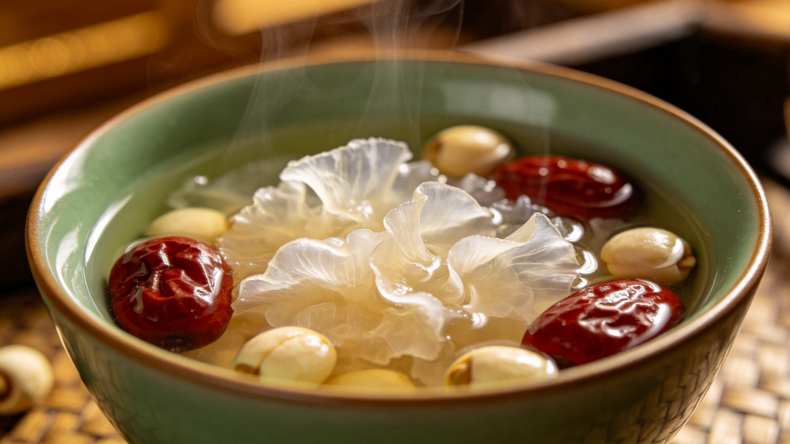
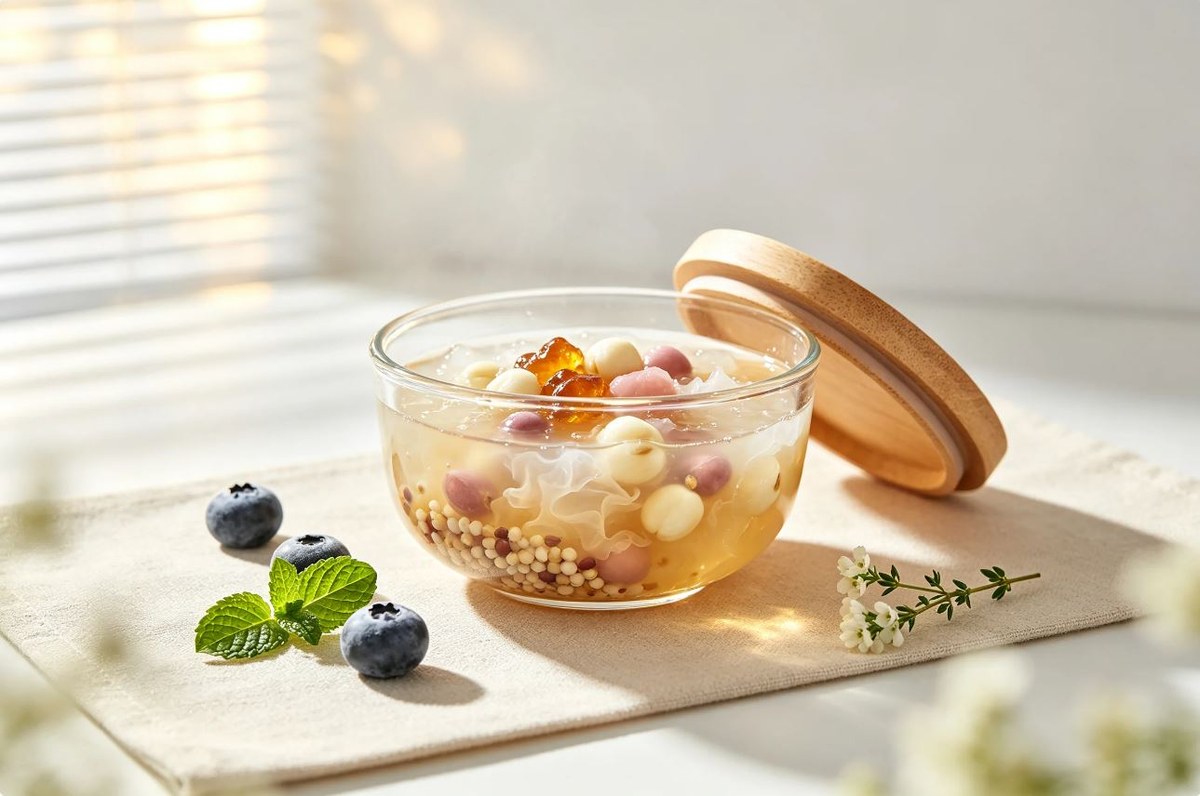
    Snow fungus (tremella) lotus seed dessert — a traditional Chinese wellness delicacy
    Snow fungus (tremella) lotus seed dessert — a traditional Chinese wellness delicacy

    The global functional food and beverage market is currently valued at over USD 380 billion and is projected to surpass USD 725 billion by 2036, growing at a robust CAGR of 7-11%. Within this massive landscape, a surprising category is emerging as a contender for mainstream Western acceptance: traditional Chinese wellness desserts.

    For decades, bubble tea served as the gateway beverage connecting Western consumers to Asian food culture. Today, a new wave of products — snow fungus desserts, coconut milk fish maw puddings, ginseng red date drinks, and lotus seed soups — is quietly entering specialty retailers, health food stores, and even mainstream supermarket shelves in North America, Europe, and Australasia.

    For importers and brand owners, this shift represents a genuine whitespace opportunity. Here is what is driving the trend and why Chinese wellness desserts are positioned for sustained growth in Western markets.

    The Convergence of Three Consumer Megatrends

    Traditional Chinese wellness desserts align almost perfectly with three dominant consumer trends reshaping the global food industry:

    Plant-Based and Flexitarian Eating. Ingredients such as snow fungus (Tremella fuciformis), lotus seed, red date, and goji berry are naturally plant-based, cholesterol-free, and low in saturated fat. Snow fungus, in particular, has gained attention in Western nutrition circles for its exceptional soluble fiber content and its ability to hold up to 500 times its weight in water, creating a naturally thick, gelatinous texture reminiscent of collagen or hyaluronic acid — without any animal ingredients. This makes it a compelling option for the growing flexitarian demographic, which now represents over 42% of consumers in key Western markets.

    Functional Indulgence. Consumers today increasingly reject the binary choice between “healthy” and “delicious.” They want both. The functional indulgence trend — products that deliver a tangible health benefit while being genuinely enjoyable to eat — is one of the fastest-growing segments in the food industry. Chinese wellness desserts naturally occupy this niche. A warm bowl of snow fungus lotus seed dessert is not merely a sweet treat; it carries a documented history of use for skin hydration, digestive health, and lung nourishment.

    Light Nourishment (“轻滋养”). The concept of “light nourishment” occupies a unique space in dietary culture. It is less intensive than traditional Chinese medicinal tonics (which can feel medicinal or unfamiliar to Western users) yet more substantial than casual snacking. ZeaGrove’s brand philosophy — “Make Health Preservation As Simple As Eating!” — speaks directly to this positioning.

    Chinese Wellness Desserts Collection
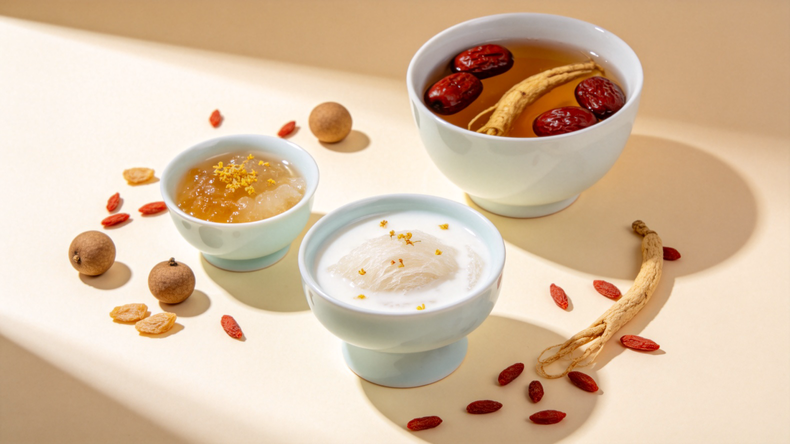
    Traditional Chinese wellness desserts — functional indulgence meets clean label

    Category Spotlight: The Products with the Most Promise

    Based on current import trends and consumer reception, several Chinese wellness dessert categories show particular potential for Western markets:

    Snow Fungus (Tremella) Desserts. Often called the “plant-based collagen” ingredient, snow fungus is gaining traction in the beauty-from-within segment. When slow-cooked, it develops a silky, almost jelly-like texture that pairs well with fruit, coconut milk, or light syrups. Importers in the UK, Australia, and the US have reported strong trial rates for tremella-based dessert cups positioned as “skin health” functional foods.

    Coconut Milk Fish Maw Desserts. Combining marine collagen (from fish maw) with the familiar, globally accepted flavor of coconut milk creates a product that feels both exotic and approachable. The tropical flavor profile resonates well in Southeast Asian and Middle Eastern markets.

    Ginseng and Red Date Energy Beverages. Traditional herbal energy drinks — distinct from the high-caffeine, high-sugar energy beverage category — are finding an audience among health-conscious professionals. This segment aligns well with the growing adaptogenic beverage market.

    How ZeaGrove Supports International Brands Entering This Space

    Launching a traditional Chinese wellness dessert in a Western market involves navigating formulation, shelf stability, regulatory compliance, and packaging standards. As an experienced OEM/ODM manufacturer, ZeaGrove offers end-to-end support for importers and brand owners:

    • Recipe Localization: Our R&D team can adjust sweetness levels, texture profiles, and ingredient combinations to suit local taste preferences while retaining the product’s traditional wellness identity.
    • Shelf-Stable Manufacturing: Using 121°C high-temperature sterilization with 360-degree spray heating, our products achieve 6-12 months of ambient shelf life without adding preservatives.
    • Flexible Packaging Formats: From vacuum-sealed bowls and glass bottles to travel-friendly pouches, we offer multiple packaging options.
    • Certification Support: Our facilities hold HACCP, FSSC 22000, BRC, FDA, and Halal certifications, simplifying regulatory approval in your target market.

    🌟 The functional food market is hungry for innovation with authenticity.

    Chinese wellness desserts offer a genuine, heritage-based product story that today’s consumers can trust — delivered in formats they can actually enjoy.

    If you are assessing the opportunity to introduce traditional Chinese wellness desserts to your market, ZeaGrove is ready to partner. From initial concept through production, packaging, and logistics, we provide the manufacturing infrastructure and category expertise needed to succeed.


    ZeaGrove (Guangzhou) Health Industry Co., Ltd.
    Runkang Industrial Park, Huadu District, Guangzhou, China
    Web: www.zeagrove.com | Email: info@zeagrove.com