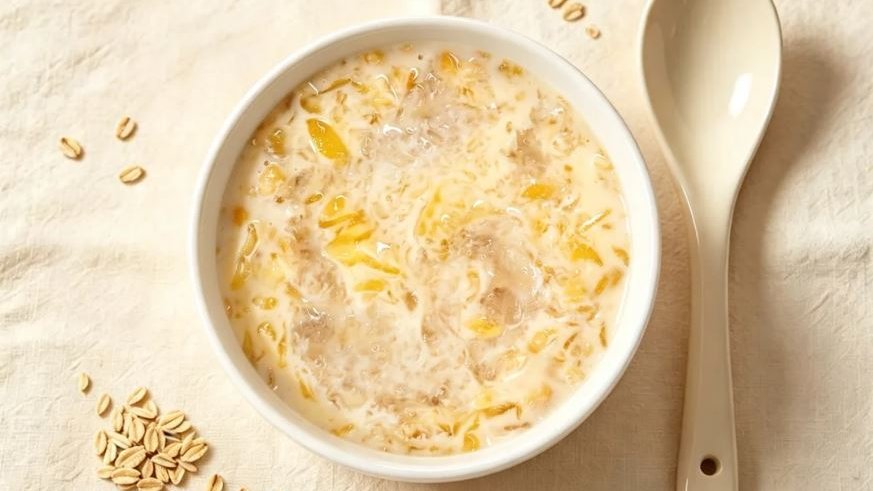
Tag: healthy breakfast

  • Losing weight but craving sweets? These 5 low-fat glutinous rice desserts won’t ruin your fitness goals

    Losing weight but craving sweets? These 5 low-fat glutinous rice desserts won’t ruin your fitness goals

    If you are on a weight-loss journey, one of the hardest things to give up is dessert. The good news is that you do not have to. Chinese dessert culture offers something Western desserts rarely do: a whole family of warm, satisfying sweet bowls built on sticky-textured sago, creamy taro, silky peach gum, and beans rather than butter, cream, and oil. These are the “glutinous” desserts of Chinese tradition — the ones with the dense, sticky, satisfying texture that makes a small bowl feel like a feast — and they comfort without the fat-and-calorie price tag of a typical Western sweet. The five low-fat glutinous rice desserts in this article will satisfy your sweet tooth on the coldest days of the year without quietly wrecking the fitness goals you have worked so hard for.
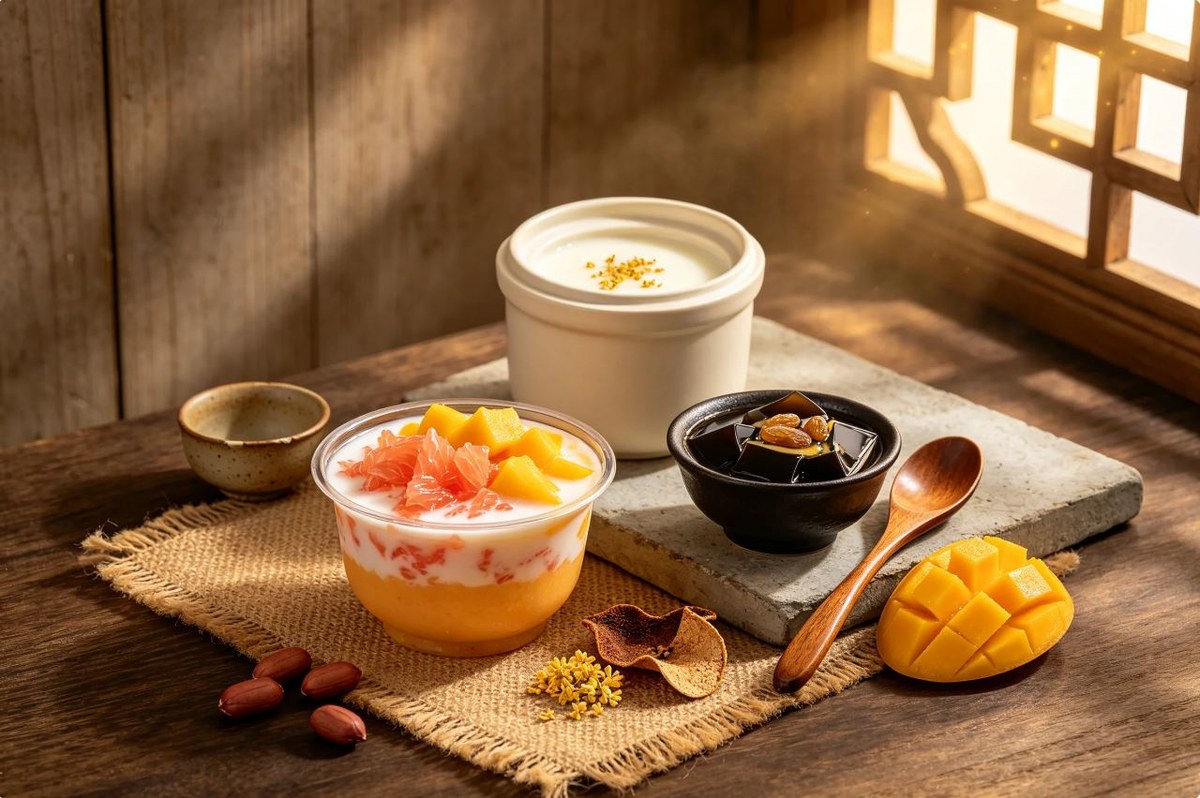
    Mango Peach Gum Dessert with plant collagen and snow fungus, a low fat glutinous Chinese wellness dessert for fitness

    Why Glutinous-Texture Desserts Fit a Fitness Diet Better Than You’d Think

    Before we look at the five bowls, it is worth clearing up a common misconception. Glutinous rice and sticky-textured desserts have nothing to do with gluten, and they are not inherently fattening. The word “glutinous” refers to the dense, sticky, satisfying texture that comes from starch — the same quality that makes sago pearls cling together and taro turn creamy. What makes or breaks a dessert for a weight-loss diet is rarely the starch itself; it is everything else that gets added around it. A dessert made with butter, heavy cream, and deep-fried pastry will be high in fat no matter what base it uses, while a dessert made with sago, taro, peach gum, and a light touch of sweetness stays low in fat by its very nature.

    The five desserts below share a fitness-friendly profile:

    • Naturally low in fat — The base is sago, taro, fruit, and beans, not butter or cream, so the fat content stays low without any effort.
    • Genuinely filling — Sticky-textured desserts are dense and satisfying, so a modest bowl keeps you full for hours and actually reduces the total calories you eat later in the day.
    • Built on whole foods — When the sweetness comes from fruit and the richness comes from plant-based ingredients, a dessert can be both satisfying and aligned with a fitness plan.

    With that framing, here are the five best low-fat glutinous-texture desserts that will not ruin your fitness goals.

    The 5 Best Low-Fat Glutinous Rice Desserts

    Each of these desserts is available as a ready-to-eat product from ZeaGrove’s Wellness Chinese desserts collection, so you can enjoy a proper bowl of comfort food after a workout or on a cold evening without spending an hour in the kitchen or throwing a week’s worth of fat budget out the window.

    Low-Fat Dessert Main Ingredients Why It Fits a Fitness Diet Best Moment to Enjoy
    Mango Pomelo Sago Dessert Mango, pomelo, sago, coconut milk Fruit-based sweetness, no baking fats After a workout
    Mango Peach Gum Dessert Mango, peach gum, snow fungus Plant collagen, no dairy fat Post-dinner treat
    Coconut Mango Peach Gum Sweet Soup Peach gum, mango, coconut Tropical, plant-based, light Warm afternoon bowl
    Taro and Lotus Seed Sweet Soup Taro, lotus seed, coconut Creamy texture without dairy cream Comfort evening bowl
    Aged Tangerine Peel Red Bean Soup Red bean, tangerine peel Bean-based, fiber-rich, filling Any day, any time

    1. Mango Pomelo Sago Dessert — A Tropical Dessert That Earns Its Calories

    Mango Pomelo Sago Dessert made with real tropical fruit and sago pearls in a ready-to-eat cup, low fat Chinese dessert

    Mango pomelo sago is the dessert that most people assume is indulgent — and then discover it is actually one of the lightest options in Chinese dessert culture. The base is cooked sago pearls, made from tapioca starch, which carry almost no fat and provide the sticky, satisfying chew that makes this a “glutinous” family dessert in the best way. The mango provides genuine sweetness and a generous helping of vitamin C, the pomelo adds a bright citrus contrast, and the coconut milk adds creaminess in a measured, plant-based way that keeps the fat content far below anything you would get from a dairy-based Western dessert.

    This is the dessert to reach for after a workout. The mango delivers quick, clean energy and the sago provides the chewy, satisfying texture that makes a modest portion feel like a feast. Because there is no butter, no pastry, and no deep-fried element, the calorie and fat profile stays genuinely friendly, and the taste is exactly the tropical treat you were craving.

    Why we rate it: the Mango Pomelo Sago Dessert is proof that a fitness-friendly dessert can still be vibrant, tropical, and thoroughly satisfying.

    2. Mango Peach Gum Dessert — Plant Collagen Without the Fat

    Mango Peach Gum Dessert with plant collagen and snow fungus, a low fat glutinous Chinese wellness dessert

    Peach gum is one of the most interesting ingredients in modern Chinese dessert culture. It is a resin that comes from peach trees, and traditional food culture has prized it for centuries for its skin-supporting properties — it is often described as “plant collagen” because of the polysaccharides it shares with bird’s nest, at a fraction of the cost. When it is paired with mango and snow fungus, you get a dessert that combines the silky, jelly-like texture of the gum with real fruit sweetness and deep hydration.

    For anyone with fitness goals, this dessert is a gift. The peach gum adds satisfying body and texture without adding fat, the mango provides the sweetness, and the whole bowl stays naturally light. Because it is so low in fat and built on plants, it fits into almost any eating plan, and the fact that it also supports skin health means you get a beauty benefit alongside your weight management. It is the dessert to reach for when you want something sweet, silky, and genuinely good for you.

    Why we rate it: the Mango Peach Gum Dessert gives you plant collagen, real fruit, and a silky-satisfying texture with a fat profile your fitness plan will barely notice.

    3. Coconut Mango Peach Gum Sweet Soup — Tropical Richness, Plant-Based and Light

    Coconut Mango Peach Gum Sweet Soup with tropical flavors and plant collagen, a low fat Chinese wellness dessert

    Where the mango peach gum dessert is clean and silky, this version adds a layer of coconut that makes it feel richer — while staying firmly on the light side. Coconut milk provides healthy plant fats in moderation, and when it is combined with mango, peach gum, and snow fungus, the result is a sweet soup with real depth and a genuinely tropical character. It tastes like a vacation in a bowl, and it happens to be built almost entirely on plants.

    This is the dessert to reach for when you want something that does not feel like you are “on a diet” at all. The coconut gives it the kind of creamy richness that usually requires dairy, the mango keeps it bright and sweet, and the peach gum provides that satisfying, glossy texture that makes a dessert feel complete. For fitness goals that include both weight management and skin health, this bowl quietly covers both bases.

    Why we rate it: the Coconut Mango Peach Gum Sweet Soup is the most tropical way to stay on track — a plant-based bowl with real richness and a fat profile that fits your plan.

    4. Taro and Lotus Seed Sweet Soup — Creamy Comfort Without the Cream
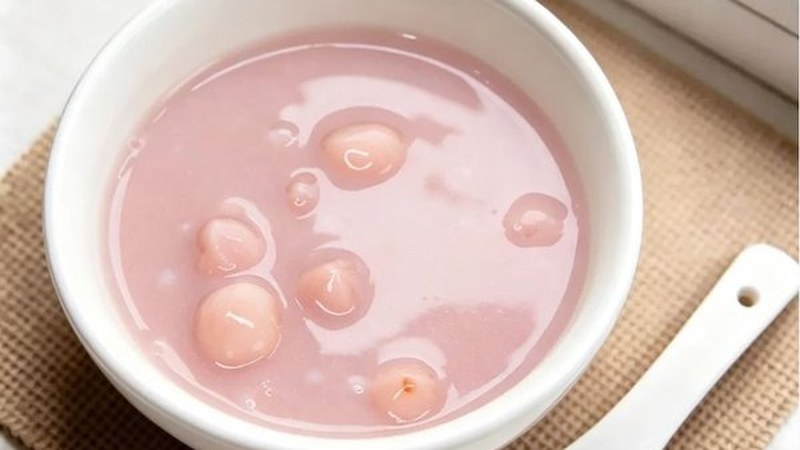
    Taro and Lotus Seed Sweet Soup creamy comfort dessert without dairy cream, a low fat glutinous Chinese wellness dessert

    Taro is one of those ingredients that feels indulgent without actually being indulgent. When cooked, it becomes naturally creamy and almost buttery in texture — the kind of mouthfeel that usually requires dairy cream, but that taro achieves on its own. Combined with lotus seed, which is prized in Chinese food culture for its calming properties, and a light coconut base, this dessert delivers the deep comfort of a creamy dessert with a fat profile that stays remarkably low.

    This is the bowl for the evening when you want something truly comforting and creamy after a long day. It satisfies the part of a sweet craving that is really about wanting to be comforted, not about wanting sugar specifically. Because the creaminess comes from the taro and coconut rather than from butter or heavy cream, you get the experience of an indulgent dessert without the actual indulgence — which is exactly the trade a fitness-conscious person wants to make.

    Why we rate it: for a creamy, comfort-food dessert that stays low in fat, the Taro and Lotus Seed Sweet Soup is the smartest choice in the category.

    5. Aged Tangerine Peel Red Bean Soup — Fiber-Rich, Filling, and Comforting

    The final dessert on the list brings the filling power that makes a weight-loss diet sustainable. Red bean soup is the original comfort food of Chinese dessert culture, and it is also a genuinely smart choice for anyone watching their weight. Red beans are high in both protein and soluble fiber, which means a bowl of red bean soup keeps you satisfied for hours and actually reduces the total calories you eat later in the day. The addition of aged tangerine peel adds the traditional digestive-support qualities of chenpi and a fragrant, slightly bitter note that balances the natural sweetness of the beans.

    This is the dessert for the days when you want something warm, familiar, and deeply grounding. Because it is so filling, a modest serving genuinely replaces the craving for a larger dessert, and the fiber keeps you full between meals — which is exactly the effect that makes weight loss feel manageable rather than miserable. ZeaGrove simmers it slowly until the beans are velvety smooth, so you get the full depth of the traditional pot without the afternoon of cooking.

    Why we rate it: the Aged Tangerine Peel Red Bean Soup is the most filling dessert on this list — fiber-rich, bean-based, and satisfying in exactly the way that keeps you on track.

    How to Enjoy Desserts Without Undoing Your Fitness Work

    The secret to keeping desserts in a fitness diet is not willpower — it is choosing desserts that work with your plan, and managing them with a little intention. Here are the habits that make it sustainable:

    • Time them around your workouts — Eat the filling bean and taro bowls after training to refuel, and enjoy the lighter sago and fruit desserts when you want something sweet without the bulk.
    • Treat the bowl as a meal, not a snack — These desserts are filling enough to replace a meal when you add one. If you treat a taro or red bean bowl as your post-workout meal, you will not be hungry an hour later reaching for something worse.
    • Serve yourself the bowl, not the pot — Even a low-fat dessert should be portioned. A single serving satisfies; a whole pot defeats the purpose.
    • Pair with protein — If the dessert itself is light on protein, have it alongside a boiled egg, some yogurt, or a handful of nuts. The protein keeps you full and supports muscle recovery.

    FAQ

    Q1: Are these glutinous-texture desserts really suitable for weight loss?
    Yes, when portioned sensibly. Sago, taro, and beans are calorie-dense per serving because they are compact foods, so portion control matters — but they are not high in fat, and a reasonable portion of one of these desserts can fit into a weight-loss plan comfortably. The key is the portion and what else is in the bowl, not the starch itself.

    Q2: Do these desserts taste like “diet food”?
    No — and that is the point. These are traditional Chinese desserts that happen to be low in fat because their traditional recipes never relied on butter, cream, or oil in the first place. The mango sago bowl tastes like a tropical treat, and the taro soup tastes like proper comfort food. You are not trading flavor for fitness; you are discovering desserts that were always light.

    Q3: How many calories are in a typical serving?
    Exact numbers vary by product, but a serving of the grain or bean-based bowls is typically in the range of 150-250 calories, while the fruit-forward options like the mango sago dessert are on the lower end. Compared to a typical Western dessert that can reach 500-700 calories with 30-40 grams of fat, these bowls keep both calories and fat dramatically lower.

    Q4: Can I eat these desserts when I am in a strict calorie deficit?
    Yes, with one guideline: count them as part of your daily intake and enjoy a single serving. Because they are so much lower in fat than Western desserts, they leave far more room in your calorie budget, which means you can enjoy a warm dessert every day and still hit your numbers.

    The Bottom Line

    Fitness goals should not mean the end of dessert. The five low-fat glutinous-texture desserts in this article were born from a dessert culture that never depended on fat to make things delicious — and that is exactly what makes them so well suited to a weight-management lifestyle. Keep one or two on hand, portion them properly, and enjoy the sweetness that got you into desserts in the first place. Your goals, and your taste buds, can both win.

    Ready to treat yourself the smart way? Explore our range of light Chinese dessert products and find the warm bowl that fits your fitness lifestyle.
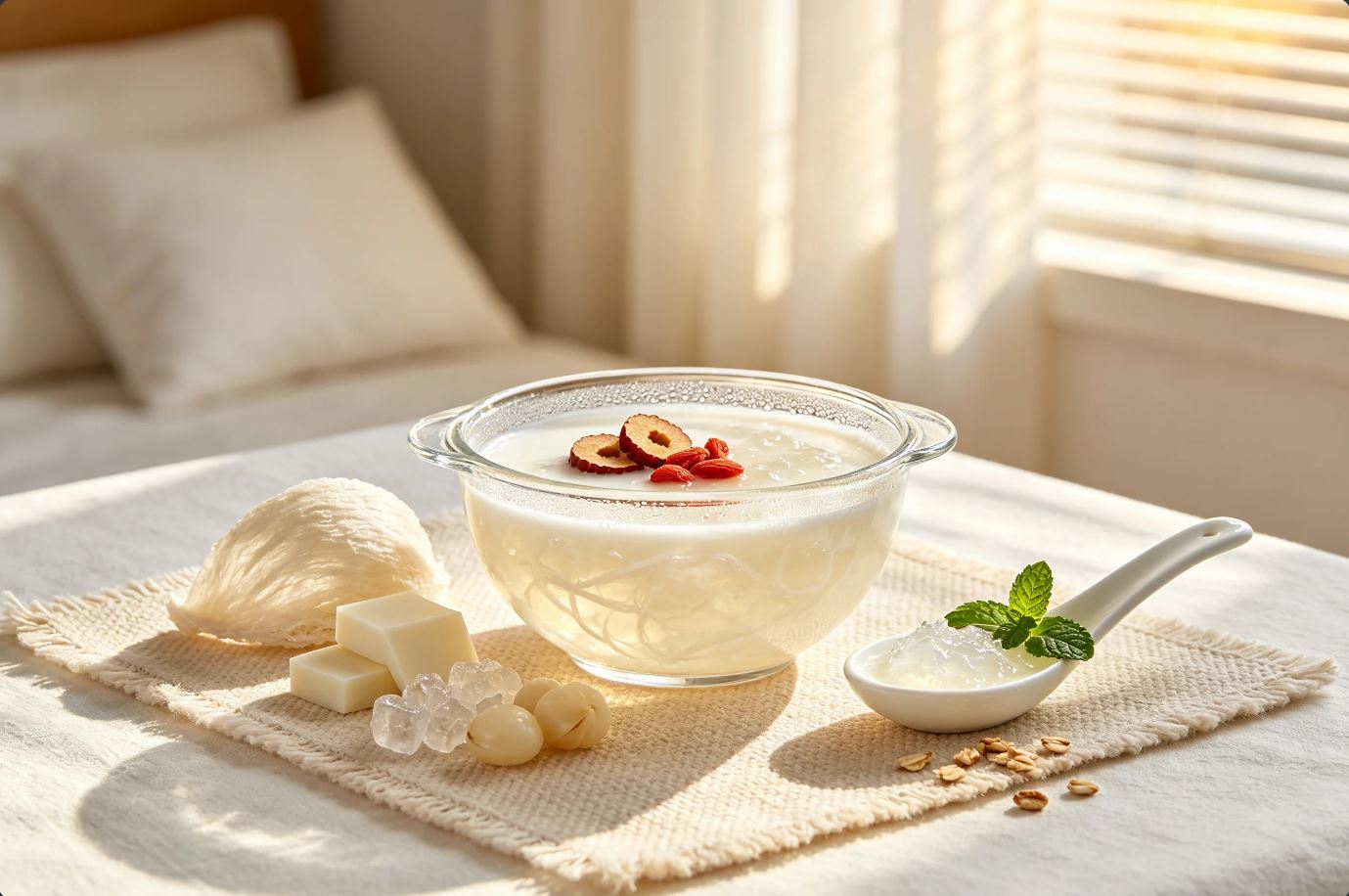
  • My 5-Minute Morning Routine’s New Favorite: Instant Milk Bird’s Nest, the Light Daily Tonic Even Lazy People Can Stick With

    My 5-Minute Morning Routine’s New Favorite: Instant Milk Bird’s Nest, the Light Daily Tonic Even Lazy People Can Stick With

    There’s a whole category of people who genuinely want to eat well but don’t have twenty spare minutes to prove it. I’m one of them. Between the morning rush for the train, a workout I refuse to skip, and a to-do list that starts multiplying the second my eyes open, breakfast was always the thing I promised to fix “eventually.” Then I found instant milk bird’s nest — a ready-to-drink bottle that fits into a five-minute morning, tastes like a proper treat, and finally gave me a healthy habit I’ve kept up for two full months without a single gap.

    In this post, I’m sharing the honest story of how I got hooked, the three ridiculously simple ways I drink it, and exactly why it beat every other “healthy breakfast” I’ve ever tried.

    Instant milk bird's nest drink in a glass bottle, creamy ready-to-drink breakfast tonic

    The Graveyard of Good Intentions: My Collection of Abandoned Healthy Breakfasts

    Let me be honest about my track record. I have started, and quietly abandoned, more healthy breakfasts than I care to count:

    • Steamed broccoli and eggs — fine for about a month, then the mere sight of them made me sad.
    • Green smoothies — delicious, until you remember clean-up is twenty minutes of blender, jars, and sink.
    • Supplement jars and wellness powders — bought in bulk, taken faithfully for four days, then forgotten in a cabinet.
    • Overnight oats — I actually loved these… until the mornings I forgot to prep them the night before.

    The pattern was always the same: it took too long, it tasted like effort, or it demanded a level of planning my sleep-deprived brain simply cannot produce at 7 a.m.

    That’s why instant milk bird’s nest felt almost unfair when I discovered it. No blending. No measuring. No soaking. No washing up. Just pull a bottle out of the fridge and it’s already a complete breakfast — protein, calcium, and bird’s nest in one sip. It was the first “healthy thing” that cost me less effort than the unhealthy alternative, and that’s exactly the moment I should have known the habit would stick.

    How I Got Hooked: A Breakfast Table in Southeast Asia

    Last year I spent a couple of weeks traveling through Southeast Asia, and one morning at a friend’s family home, they set out little bottles of milky bird’s nest next to the bread and fruit. I asked about it — half curious, half assuming it was some fancy wellness thing they’d bought for the guest. My friend laughed and said it was just their normal breakfast, and that she’d basically grown up drinking it.

    So I tried a sip. I was bracing for something that tasted like a herbal remedy. Instead it was… sweet, chilled milk with soft, slippery strands of bird’s nest floating through it. No earthy bitterness, no weird aftertaste, no “this is good for me so I must endure it” flavor. Just a genuinely nice drink that happened to be nourishing.

    I was sold before breakfast was over. By the end of the trip I’d found a reliable brand to order from, and I’ve kept a steady supply in the fridge ever since. It’s now the one wellness product I never run out of — and, if I’m being completely honest, the only one I’ve never missed a day of.

    Instant milk bird's nest bottles in premium gift box packaging, ready-to-drink wellness set

    Three Ridiculously Simple Ways to Drink It (Even a Total Beginner Can Handle)

    If you’re not sure where to start, don’t overthink it. These are the three ways I rotate through, in order of laziness:

    1. The Five-Minute Morning Version (my everyday go-to). Straight from the fridge, no warm-up, no fuss. I pour a Bird Nest Milk Drink into a glass and pair it with a slice of whole-wheat toast — and I’m out the door with a proper breakfast in under five minutes. It gives me protein, calcium, and the sialic acid from the bird’s nest, which used to be three separate things I had to assemble. I like mine first thing on an empty stomach, which is how I’ve always taken bird’s nest. It goes down fast, and there’s not a single dish to wash afterward.
    2. The Afternoon Pick-Me-Up. When the 3 p.m. slump hits and half the office is queueing for bubble tea, I pour a bottle over some ice, add a handful of fresh berries and a spoon of chia seeds, and drink it like a fancy dessert. It genuinely keeps me full until I leave work — I’ve basically stopped buying vending-machine snacks entirely. And because it’s a fraction of the sugar load of a milk tea, there’s no post-lunch crash, just a steady afternoon. If I want something fruitier, the Sakura Guava Bird Nest Milk is my pick for a weekend treat.
    3. The “That Time of the Month” Version. When I’m on my period, I warm a bottle gently in a bowl of hot water — not boiling, just warm to the touch — then add a slice of ginger or a few red dates. It’s comforting, it’s actually warm, and it has real nutrition behind it: far more than the brown sugar water I used to reach for, and without the sugar spike that always made me feel worse an hour later.

    Between these three, I never get bored, and none of them requires a recipe or more than one glass to rinse. That, honestly, is the whole secret to my two-month streak — the product is doing all the work, I just have to open the fridge.

    Sakura guava instant milk bird's nest drink in a glass bottle, fruity ready-to-drink beverage

    Why I Rate Instant Milk Bird’s Nest Above Every Other Tonic I’ve Tried

    I’ve cycled through plenty of “superfoods” over the years, so I have a sharp eye for what actually survives contact with real life. Here’s the comparison table I keep in my head:

    Instant Milk Bird’s Nest Store-Bought Smoothie Supplement Jars Dried Bird’s Nest
    Time to prepare 0 minutes 5–15 min + washing up 30 seconds 4+ hours soaking & simmering
    Taste Sweet, creamy, mild Varies — often needs added sugar Pill aftertaste Neutral, needs flavoring
    Calories (per 100 g) ~80 kcal (334 kJ) Often 200+ kcal N/A Varies
    Key nutrients Protein, calcium, sialic acid Fruit vitamins, often sugar-heavy Single nutrient Sialic acid, glycoproteins
    Allergen note Contains dairy — read the label Dairy-free options exist Check the label Generally gentle
    Still taking it in 2 months? Yes — it’s the one that stuck It’s a drink, not a habit Be honest with yourself Only if you remember to cook it

    And here’s why it wins for someone like me, point by point:

    • Low burden. A 100 g serving comes in at around 80 calories (334 kJ) with 3.1 g of protein and real calcium from the milk base — lighter than a medium apple, and nowhere near the calorie count of your average smoothie or bubble tea. If you’re watching your sugar, there’s an unsweetened pure bird’s nest that’s just bird’s nest and water, nothing added, nothing hidden.
    • No forbidden list. This is the part that sold me on bird’s nest generally. A lot of trendy superfoods come with a mile-long list of who shouldn’t take them — pregnant women, sensitive stomachs, people on this or that medication. Bird’s nest is famously gentle; it’s been eaten daily in Asian households for centuries, and that’s exactly why my pregnant best friend now has a bottle every day (yes, she checked with her doctor first, and so should you if you’re pregnant). The one real caution with the milk version is the dairy itself — if you’re lactose intolerant or allergic to milk protein, this one isn’t for you.
    • Easy to keep up. The absolute killer feature. With dried bird’s nest you soak it for hours and simmer it for another hour — beautiful, but not something a tired person does on a Tuesday. With instant milk bird’s nest, you buy a case, it lives in your fridge, and the habit is literally “open, pour, done.” I’ve now drunk it daily for two months without a single gap, and that’s the real test of any wellness product. It’s the first one that’s ever passed for me.

    Mango pomelo instant milk bird's nest drink in a glass bottle, tropical ready-to-drink beverage

    FAQ

    Q1: Is instant milk bird’s nest as good as the traditional dried kind?
    A: The bird’s nest in ready-to-drink bottles is prepared the same way you’d prepare it at home — simmered until the strands are soft and gelatinous — then sealed and sterilized so it stays fresh until you open it. The real difference is convenience: dried bird’s nest needs hours of soaking and simmering, while the bottled version is grab-and-go. For daily, realistic use, most people (including me) find the bottled version far easier to actually stick with. If you want the full deep-dive on the nutrition and how both compare, our bird’s nest guide is a good place to start.

    Q2: How much should I drink per day?
    A: A single 150 g bottle a day is plenty for daily upkeep. It’s a complement to a normal diet, not a replacement for one — I pair it with my regular meals and treat it as the easy, nutritious part of my morning. If you want something a little more dessert-like for a change, the Mango Bird Nest Milk is a lovely occasional swap.

    Q3: Can I drink it during pregnancy?
    A: Bird’s nest has a long tradition of being enjoyed during pregnancy, and many women — including my best friend — drink it daily. That said, everyone’s situation is different, so the sensible move is to clear it with your doctor or midwife first. And because the milk version contains dairy, anyone with lactose intolerance or a milk protein allergy should reach for the unsweetened pure bird’s nest instead.

    Q4: How should I store it?
    A: This is a milk-based drink, so it lives in the fridge at around 4–8°C. Take it out, pour it, done. Because it comes in single-serving bottles, there’s no half-finished jar sitting in your fridge going off — which is exactly the kind of low-effort design I’m a fan of.

    Conclusion

    Two months in, instant milk bird’s nest is the rare wellness product that survived contact with my actual life. It’s a five-minute breakfast I don’t have to think about, it tastes good enough that I look forward to it, and it’s light enough that I never feel like I’m “supplementing.” If you’ve ever bought a superfood jar, used it four times, and guiltily pushed it to the back of the cabinet — this one is for you.

    Ready to try it? Explore the ZeaGrove bird’s nest collection and find the version that fits your morning.

    Explore Bird’s Nest →

  • The Ultimate Guide to Healthy Breakfast Congee — Nutritious Morning Porridge for Lasting Energy and Wellness

    The Ultimate Guide to Healthy Breakfast Congee — Nutritious Morning Porridge for Lasting Energy and Wellness

    Breakfast is often called the most important meal of the day — and for good reason. After hours of fasting while you sleep, your body needs quality fuel to restart your metabolism, stabilize blood sugar, and sustain energy throughout the morning. Yet many of us settle for sugary cereals, skipped meals, or grab-and-go options that leave us hungry by mid-morning.

    Enter congee — the ancient breakfast staple that has nourished generations across Asia. But this is not your grandmother plain rice porridge. Modern nutritious congee has evolved into a superfood-packed breakfast bowl that combines traditional wisdom with contemporary nutritional science. In this guide, we will explore why healthy breakfast congee deserves a place in your morning routine, what makes bird nest congee truly special, and how you can enjoy this nourishing meal without spending hours in the kitchen.

    Why Congee Is the Perfect Healthy Breakfast

    Thick coconut bird nest congee with ancient grains in a bowl

    Congee, simply put, is a rice porridge made by simmering grains in water or broth until they break down into a creamy, easily digestible consistency. What makes it an ideal breakfast choice goes far beyond its comforting texture.

    Gentle on Digestion First Thing in the Morning

    After a night of rest, your digestive system is just waking up. A heavy breakfast can feel like a shock to the system, while a light, easily digestible meal allows your body to ease into the day. Congee slow-cooked and broken-down grains require minimal digestive effort, making it one of the most gut-friendly breakfast options available. This is particularly beneficial for those with sensitive stomachs, acid reflux, or anyone who struggles with morning appetite.

    Sustained Energy Release Throughout the Morning

    Unlike sugary cereals or refined toast that spike your blood sugar and leave you crashing by 10 AM, a well-made congee with whole grains and protein provides slow-release carbohydrates that maintain steady energy levels. When combined with nutrient-dense additions like bird nest, nuts, seeds, or protein, congee becomes a complete meal that keeps you satisfied and focused until lunch.

    Endless Nutritional Customization

    One of congee greatest strengths is its versatility. You can customize it to meet your specific nutritional needs:

    • Add protein — bird nest, fish maw, eggs, shredded chicken, or tofu
    • Boost fiber — quinoa, oats, barley, black rice, or millet
    • Enhance flavor — coconut milk, goji berries, mushrooms, or ginger
    • Increase nutrients — yam, pumpkin, spinach, or seaweed

    The Nutritional Power of Bird Nest Congee

    <img class="aligncenter" src="https://zeagrove.cn/wp-content/uploads/2026/07/blog_congee_product3.jpg" alt="Mango bird nest sago congee tropical breakfast bowl with grains"

    Golden millet and pumpkin porridge gentle digestive congee

    Among the many congee variations, bird nest congee stands apart as a true nutritional powerhouse. Bird nest has been prized in Chinese wellness traditions for over a thousand years, and modern science is beginning to validate what traditional wisdom has long understood.

    What Makes Bird Nest So Nutritious

    Bird nest is naturally rich in bioactive compounds that set it apart from ordinary breakfast ingredients.

    Nutrient Function Health Benefit
    Sialic Acid (NANA) Cell regeneration Boosts immunity, supports brain health
    Glycoproteins Tissue repair Promotes skin elasticity, wound healing
    Collagen Skin structure Reduces wrinkles, improves firmness
    EGF (Epidermal Growth Factor) Cell growth Stimulates skin regeneration
    Amino Acids Protein building Supports muscle maintenance and repair

    When incorporated into your morning congee, bird nest transforms an already nutritious breakfast into a comprehensive wellness meal that supports everything from skin health to immune function.

    Five Key Benefits of Starting Your Day with Bird Nest Congee

    1. Immune Support — The sialic acid in bird nest strengthens the immune barrier, helping your body defend against seasonal challenges
    2. Skin Nourishment — Natural collagen and EGF work from within to support skin elasticity and a radiant complexion
    3. Sustained Energy — The combination of complex carbohydrates from grains and protein from bird nest provides hours of steady energy
    4. Digestive Comfort — Both the congee base and bird nest are gentle on the stomach, making this an ideal breakfast for sensitive digestion
    5. Convenient Nutrition — Modern ready-to-eat options make it possible to enjoy this traditionally time-consuming breakfast in seconds

    Ancient Grains for Modern Mornings

    Mango bird nest sago congee tropical breakfast bowl with grains

    Traditional congee is made with white rice, but today nutritious breakfast congee has evolved to include a diverse array of ancient grains and superfoods that dramatically boost its nutritional profile. At ZeaGrove, we carefully select each grain for its unique health benefits and textural contribution.

    The Superfood Grain Blend

    • Quinoa — A complete protein containing all nine essential amino acids, quinoa provides a plant-based protein punch that keeps you full and satisfied. It is also rich in magnesium, iron, and fiber.
    • Oats — Beta-glucan, the soluble fiber in oats, has been extensively studied for its cholesterol-lowering and heart-protective effects. Oats also contribute to the creamy texture that makes congee so satisfying.
    • Barley — With its chewy texture and nutty flavor, barley adds both substance and additional fiber. It is particularly rich in selenium, a mineral important for thyroid health and antioxidant defense.
    • Black Rice — Sometimes called forbidden rice, black rice is packed with anthocyanins — the same antioxidants found in blueberries. It adds a beautiful deep color and earthy flavor to the blend.

    This combination of grains ensures that your breakfast bowl delivers a balanced mix of slow-release carbohydrates, plant protein, dietary fiber, and essential micronutrients — all working together to support your health from the first spoonful.

    How to Incorporate Nutritious Congee Into Your Daily Routine

    Making healthy breakfast congee a regular part of your morning does not have to be complicated. Here are practical ways to enjoy this nourishing meal.

    For Busy Professionals

    If mornings are a rush, our ready-to-eat congee range requires zero preparation. Simply twist open a bowl, warm it if you prefer, and enjoy a complete nutritious breakfast in under a minute. Keep a few bowls at your desk for those mornings when leaving the house on time is challenge enough.

    For Health-Conscious Families

    Congee is naturally appealing to children and elderly family members alike because of its soft texture and mild flavor. Start with a simple base and let everyone customize their bowl with their favorite toppings — fresh fruit for kids, extra protein for active teens, and gentle herbs for older family members.

    For Fitness and Recovery

    Post-workout nutrition is critical for muscle repair and glycogen replenishment. A congee bowl made with quinoa and topped with bird nest provides an ideal balance of protein and carbohydrates for recovery. It is also an excellent option for post-illness nutrition when the body needs easily digestible nourishment.

    Why Choose ZeaGrove for Your Breakfast Congee

    Every bowl of ZeaGrove congee is produced in our state-of-the-art GMP-certified facility in Guangzhou, China, under strict quality control standards including FDA, FSSC22000, ISO 9001, and HACCP certifications. We source our bird nest from Indonesia and Malaysia, selecting only premium grades with consistent quality. Our ancient grains are carefully sourced from trusted farms that practice sustainable agriculture.

    What sets ZeaGrove apart is our commitment to clean label ingredients. You will never find artificial preservatives, flavors, or colors in our products. Each congee recipe has been developed by our R&D team in collaboration with traditional Chinese nutritionists, ensuring that every bowl delivers both authentic flavor and genuine nutritional benefits.

    We also offer OEM and ODM services for businesses looking to create their own private label breakfast congee products. From custom formulation to packaging design, contact us to learn more about our partnership opportunities.

    Tips for Enhancing Your Breakfast Congee Experience

    • Warm it gradually — For the best texture, warm your ready-to-eat congee gently. Transfer to a microwave-safe bowl and heat for 60-90 seconds.
    • Add fresh toppings — Elevate your congee with fresh fruit like sliced banana, berries, or diced mango.
    • Pair with tea — A warm cup of herbal tea complements congee beautifully.
    • Stock up for the week — Our 8-pack gift boxes are perfect for families or meal prepping.
    • Take it to go — Self-heating bowls require no microwave or stove, ideal for office lunches and travel.

    Conclusion

    Healthy breakfast congee represents the perfect intersection of tradition and modern nutrition. It is a breakfast that respects your body natural rhythms — gentle enough for sensitive digestion, yet nutrient-dense enough to power your busiest mornings. Whether you choose a classic millet and pumpkin porridge, a protein-rich quinoa and bird nest bowl, or a creamy coconut version with ancient grains, you are giving yourself the gift of a morning meal that truly nourishes.

    Ready to transform your mornings? Explore our full Nutrition Congee collection and find your new favorite breakfast.

    FAQ

    Q1: Is congee healthy for weight loss?
    A: Yes, congee can be an excellent choice for weight management. Its high water content and fiber from whole grains promote satiety with fewer calories. The slow-release carbohydrates also help stabilize blood sugar, reducing mid-morning cravings.

    Q2: Can I eat congee every day?
    A: Absolutely. Congee is a gentle, nourishing food suitable for daily consumption. The key is to vary your grain selection and toppings for nutritional diversity.

    Q3: What is the difference between traditional and modern nutritious congee?
    A: Traditional congee uses white rice and water. Modern nutritious congee incorporates whole grains like quinoa, oats, barley, and black rice, plus functional ingredients like bird nest, creating a nutritionally complete meal.

    Q4: Is bird nest congee suitable for children?
    A: Yes, bird nest congee is gentle and nutritious, making it suitable for most ages. The soft texture is particularly appealing to children.

    Q5: How should I store ready-to-eat congee?
    A: Unopened bowls can be stored at room temperature below 25°C. Once opened, refrigerate and consume within 24 hours.