Tag: skincare

  • Is Ready-to-Eat Bird’s Nest Worth Buying? We Break Down the Nutrition and Cost

    Is Ready-to-Eat Bird’s Nest Worth Buying? We Break Down the Nutrition and Cost

    Every week, someone asks me the same question: is ready-to-eat bird’s nest actually worth buying, or am I just paying for the glass bottle? It is a fair question. Ready-to-eat (RTD) bird’s nest costs more up front than loose dried nest, and there is a lingering belief that anything convenient must be inferior. After years of reading the labels, comparing price per gram, and yes, tasting a lot of bird’s nest, I can tell you the answer is more nuanced than a simple yes or no. In this article, we break down the nutrition and the real cost — so you can decide for yourself with the facts in hand.

    Before you write it off as an overpriced convenience food, consider this: the global bird’s nest market has grown steadily for a decade, and ready-to-eat formats now account for the largest share of new products hitting store shelves. That growth is not driven by marketing alone — it reflects how the modern consumer actually wants to consume traditional wellness food. What you need is not another opinion piece. You need the numbers: what is in the bottle, what it costs to produce, what you actually pay, and whether the convenience premium is real or imagined. That is exactly what we are going to unpack, section by section.

    What Is Actually Inside Ready-to-Eat Bird’s Nest?

    Before we talk money, let us talk nutrients. The reason bird’s nest has been treasured for over a thousand years comes down to a handful of biologically active compounds that are genuinely rare in the food world. A high-quality ready-to-eat bird’s nest — one made from real edible nest, not just flavoring and sugar syrup — delivers the same core nutrients as freshly stewed or dried-and-prepared nest.

    Nutrient Role in the Body What It Means for You
    Sialic Acid (NANA) Cell membrane component, immune signaling Supports immunity and cognitive function
    Glycoproteins Tissue building blocks Supports skin elasticity and repair
    EGF (Epidermal Growth Factor) Stimulates cell growth May support skin renewal and healing
    Collagen Structural protein in skin and joints Contributes to firm, hydrated skin
    Amino Acids Protein building blocks Support overall tissue maintenance
    Calcium & Iron Bone and blood health Complement the mineral needs of the body

    Bird nest nutrition science infographic showing key nutrients like sialic acid, collagen, and glycoproteins in ready-to-eat bird nest

    The critical point is this: the nutritional profile is determined by the bird’s nest solids in the bottle, not by whether the product was prepared in a restaurant kitchen or a certified factory. What matters is the solid content — the actual amount of bird’s nest in each serving. A premium RTD bottle with 500-1000mg of nest solids per 70ml is nutritionally comparable to a bowl of freshly double-boiled nest with the same dry weight.

    The Real Cost: Beyond the Price Tag

    Now for the part everyone actually cares about — the money. When people compare RTD to dried bird’s nest, they usually compare raw price per gram and conclude dried is cheaper. But that comparison ignores everything that happens after you buy it. Let us lay out the full picture.

    Cost Factor Ready-to-Eat Dried Bird’s Nest Fresh Stewed (Shop)
    Up-front price per serving $6 – $9 $5 – $8 $8 – $12
    Preparation time 0 minutes 5-7 hours 20-30 min wait
    Hidden losses None 20-30% weight loss during soaking Minimal
    Consistency Standardized Varies batch to batch Varies by chef
    Storage 12-18 months shelf stable Needs dry, cool storage Must consume immediately
    True cost per serving $6 – $9 $7 – $11 $8 – $12

    Let us run a concrete example. Suppose you want a daily serving of bird’s nest, 30 days a month. With ready-to-eat, that is 30 bottles at roughly $7 each — about $210 a month, and every serving is actually consumed. With dried bird’s nest, a 50-gram pack at $300 might seem cheaper per gram, but after soaking losses of 20-30% and the reality that busy weeks mean skipped batches, you might realistically get 25-30 servings instead of the expected 50. That pushes the effective cost to $10-12 per serving — and only if you have the hours to prepare it. The economics of consistency quietly favor the bottle.

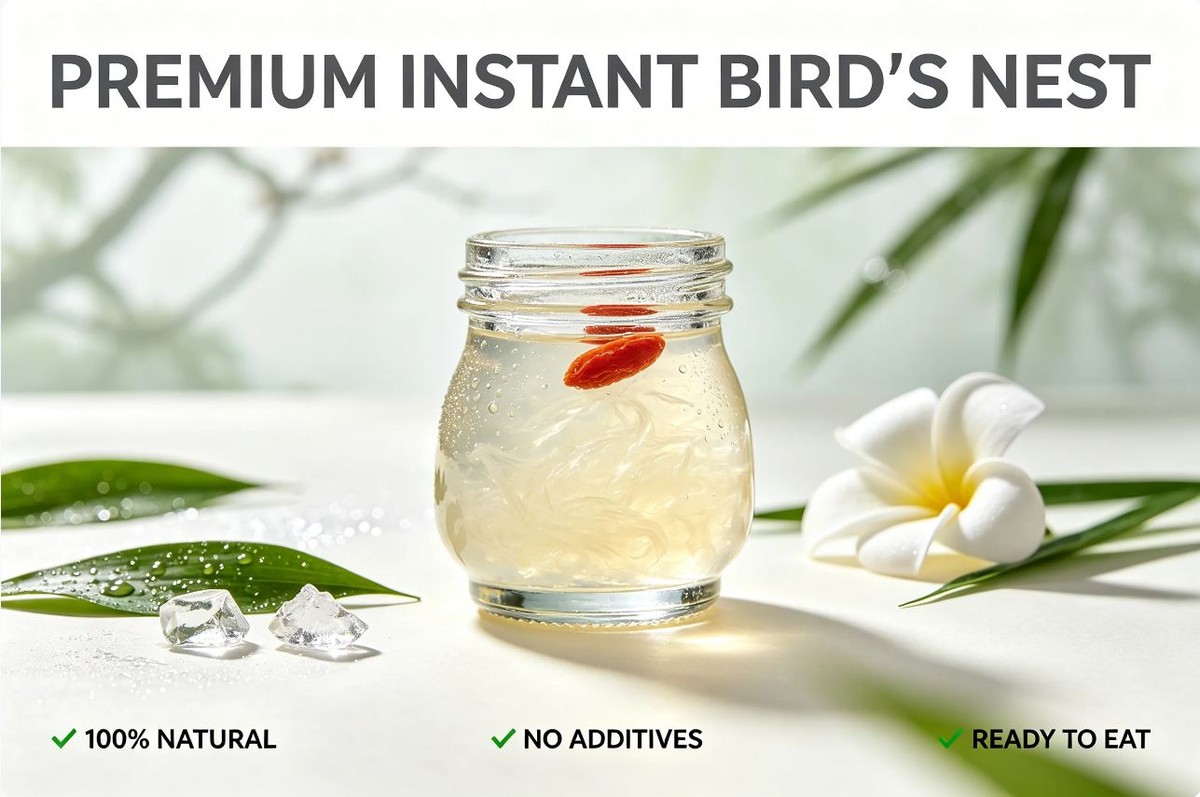
    Once you factor in preparation time, waste, and the cost of a mistake (burn a pot of dried nest and that $40 is gone), the price gap that seems so obvious on paper narrows dramatically. For many people, the Pure Bird Nest with Rock Sugar at around $6-9 per bottle ends up being the most cost-effective way to consume bird’s nest consistently.
    Pure bird nest with rock sugar in a clear glass bottle, minimal ingredients label, premium ready-to-eat bird nest product

    Convenience Is a Feature, Not a Compromise

    Here is the thing nobody says out loud: most people who buy dried bird’s nest do not actually eat it daily. It sits in the pantry. The soaking gets skipped. The “special occasion only” bottle lasts a year. Meanwhile, an RTD bottle in your bag or on your desk is consumed — which means you actually receive the nutritional benefit, every single day.

    The three biggest advantages of ready-to-eat format:

    1. Daily consistency — A bottle on the counter is eaten; a bag of dried nest in the cupboard is forgotten. Consistency is what drives results in wellness.
    2. Portability — Office, travel, gym, school run — a sealed bottle goes anywhere. No bowl, no stove, no washing up.
    3. Portion control — Each bottle is a measured serving. You always know exactly how much bird’s nest you consumed.
    Fresh bird nest product in elegant packaging, ready-to-eat bird nest gift box, premium wellness food

    There is also the practical reality of storage. Dried bird’s nest is delicate — it absorbs moisture, picks up odors, and must be kept sealed in a cool, dry spot. One humid week can turn pristine white nests brittle or musty. Ready-to-eat bottles, by contrast, are vacuum-sealed and heat-sterilized, holding their quality for 12-18 months on a pantry shelf. You can stock up during a sale, keep a bottle at the office and another in your travel bag, and never think about spoilage. For anyone who has opened a bag of dried nest to find it has changed color or smell, that stability is worth real money.

    How to Tell a Good RTD Bird’s Nest From a Marketing Gimmick

    Not every ready-to-eat bird’s nest is created equal. Some “bird’s nest drinks” contain more sugar and flavoring than actual nest. Here is what to check before you buy:

    • Bird’s nest content per serving — Look for the milligram figure on the label. 500mg or more per 70ml bottle is a good starting point; premium products offer 800-1000mg.
    • Ingredients list — The shorter, the better. Ideally just bird’s nest, rock sugar or honey, and water. Walk away from long lists full of thickeners, artificial colors, and flavorings.
    • Sourcing and certifications — Trustworthy brands display HACCP, ISO, or GMP certification and are transparent about where their nest comes from (Indonesia and Malaysia are the top producers).
    • Texture in the bottle — You should see actual strands of bird’s nest, not just cloudy liquid. The strands should hold their shape when you pour.
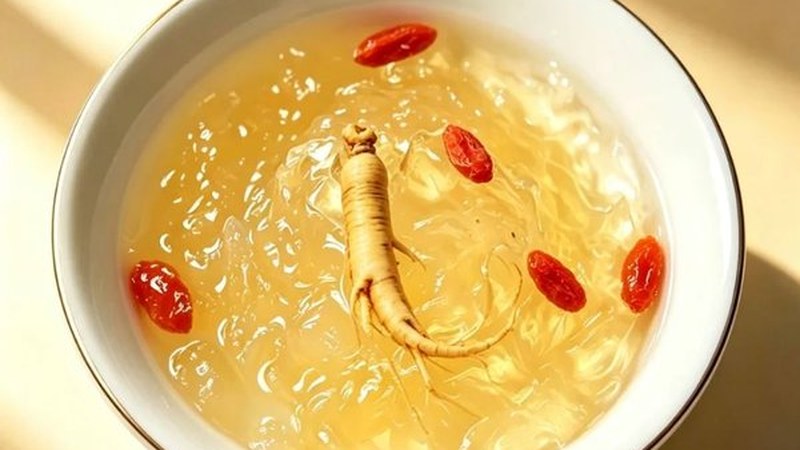
    Ginseng bird nest tonic in a glass bottle, ready-to-drink herbal wellness supplement with amber liquid

    Who Should Choose Ready-to-Eat Bird’s Nest?

    Ready-to-eat bird’s nest is not for everyone — but it is for more people than most realize. It makes the most sense for:

    • Busy professionals — If your mornings are a sprint, a bottle of Bird Nest Milk Drink is a nourishing start that takes five seconds to open.
    • New parents — Sleep is short and hands are full. RTD removes the preparation burden entirely.
    • Frequent travelers — A sealed bottle survives a flight and fits in a carry-on without leaking.
    • Those new to bird’s nest — RTD is the easiest, lowest-commitment way to see if bird’s nest agrees with you before investing in a large bag of dried nest.
    • Gift buyers — A beautifully packaged Fresh Bird Nest Gift Box communicates care without requiring the recipient to spend hours in the kitchen.

    On the other hand, if you genuinely enjoy the ritual of soaking and double-boiling, or if you are preparing bird’s nest as a shared family dessert, dried nest still has a place. And for a special occasion, nothing beats the theatre of fresh stewed nest at a fine dessert house.

    One of the biggest mistakes new users make is quitting after a week because they did not notice any change. Wellness foods work on a cumulative curve. Traditional Chinese dietary practice recommends consuming bird’s nest consistently for at least two to three months to observe its benefits. A ready-to-eat format removes the most common reason people abandon that routine — the hassle. Because the daily effort is near zero, the habit is far easier to keep. That is arguably the single strongest argument for choosing ready-to-eat: not that the bottle is better, but that you will actually finish the bottle.

    FAQ

    Q1: Is ready-to-eat bird’s nest as nutritious as dried bird’s nest?
    Yes, provided the solid content is comparable. The key factor is milligrams of bird’s nest per serving, not the format. A quality RTD bottle with 500mg+ of nest solids delivers the same sialic acid, glycoproteins, and collagen as freshly prepared nest of equal dry weight.

    Q2: Why is ready-to-eat bird’s nest more expensive per gram than dried?
    Because you are paying for processing, packaging, and convenience. The sterilization and sealing process that gives RTD a 12-18 month shelf life costs money. However, when you factor in the 20-30% weight loss of dried nest during preparation, plus your time, the total cost per serving is often comparable — or even in RTD’s favor.

    Q3: How do I know I am getting real bird’s nest and not just syrup?
    Read the label. Check the declared bird’s nest content (look for 500mg+ per bottle) and the ingredients list. Real RTD bird’s nest should show visible strands when poured, and the ingredient list should be short — bird’s nest, sweetener, and water.

    Q4: Can I heat up a bottle of ready-to-eat bird’s nest?
    Yes. Place the sealed bottle in hot water for 3-5 minutes (a warm-water bath), or pour the contents into a small pot and warm gently. Avoid boiling, which can break down the delicate nest strands.

    Q5: How long does an opened bottle last?
    Once opened, consume within 24 hours and keep refrigerated. An unopened bottle is shelf stable for 12-18 months in a cool, dry place away from direct sunlight.

    The Bottom Line

    Is ready-to-eat bird’s nest worth buying? If you value consistency, convenience, and actually finishing what you start — yes, absolutely. The nutrition holds up when you choose a quality product, and the true cost per serving is far closer to dried nest than the sticker price suggests. The bottle that sits on your counter and gets drunk daily will do more for your wellness than the premium dried nest that never quite makes it out of the pantry.

    And if you are still on the fence, start small. Try a single bottle of a well-reviewed ready-to-eat bird’s nest for a week and pay attention to how it fits into your morning. If the ritual feels right, scale up; if it does not, you have lost very little. That is the beauty of the format — you can trial it with almost zero commitment, something no bag of dried nest or single trip to a dessert shop can offer.

    Ready to give it a try? Explore our collection of ready-to-eat bird’s nest products — from the minimal Unsweetened Pure Bird Nest to the energizing Ginseng Bird Nest Tonic — and find the one that fits your routine.

  • Fresh Stewed, Dried or Ready-to-Eat? Crunching Numbers Made Me Stick to Ready-to-Eat Bird’s Nest

    Fresh Stewed, Dried or Ready-to-Eat? Crunching Numbers Made Me Stick to Ready-to-Eat Bird’s Nest

    If you have ever stood in front of a shelf of bird’s nest products wondering which one actually makes sense for your wallet and your schedule, you are not alone. Between fresh stewed bird’s nest served at dessert shops, traditional dried bird’s nest that requires hours of preparation, and the sleek ready-to-eat bottles lining supermarket shelves, the choice can feel overwhelming. I decided to crunch the numbers — comparing cost per serving, preparation time, nutritional consistency, and real-world practicality — and the results surprised even me. By the end of this article, you will understand exactly why I made the switch and never looked back.

    The Three Contenders: A Quick Overview

    Before we dive into the numbers, let us clarify what each format actually is. Fresh stewed bird’s nest is prepared on the spot at specialty shops — the chef soaks, cleans, and double-boils the nest, and you consume it immediately. Dried bird’s nest is the traditional form: whole nests that have been harvested, cleaned, and dried. You soak them overnight, pick out impurities, and simmer for hours. Ready-to-eat (RTD) bird’s nest comes in sealed glass bottles, already prepared and sterilized, requiring nothing more than opening the cap. Each format has its advocates, but only one delivers on every front when you actually look at the full picture.

    The Cost Breakdown: What You Are Really Paying For

    This is where the conventional wisdom falls apart. Most people assume dried bird’s nest is the cheapest option because the raw material costs less per gram. But when you factor in everything — preparation time, energy usage, waste from imperfect cleaning, and the fact that you lose about 20-30% of the dry weight during soaking and cooking — the story changes dramatically. Fresh stewed from a shop carries a premium for the service and ambiance. And ready-to-eat? Let the numbers speak for themselves.

    Cost Factor Fresh Stewed
    (per serving)
    Dried Bird’s Nest
    (per serving)
    Ready-to-Eat
    (per bottle)
    Raw ingredient cost $8.00 – $12.00 $5.00 – $8.00 $6.00 – $9.00
    Preparation time 30 min (waiting) 6-8 hours (soaking + cooking) 0 seconds
    Energy / labor cost Included in price $0.50 – $1.00 $0.00
    Waste / loss Minimal 20-30% weight loss None
    True cost per serving $8.00 – $12.00 $7.00 – $11.00 $6.00 – $9.00
    Convenience score ** * *****

    When you account for everything, ready-to-eat bird’s nest is not only the most convenient option — it is often the most cost-effective. The price gap you thought existed between dried and RTD largely disappears once you factor in the hidden costs of preparation and waste.

    Time Is the Real Currency

    Let us talk about the one resource you cannot buy more of: time. A typical dried bird’s nest preparation involves:

    1. Soaking (4-6 hours) — The nest needs to be submerged in cold water until it softens and expands. This is not active time, but it requires planning ahead.
    2. Cleaning (15-30 minutes) — Even premium-grade dried nests contain small feathers, dust, and other impurities that must be picked out by hand. This is one of the most tedious steps.
    3. Double-boiling (30-60 minutes) — The actual cooking process, which requires monitoring to prevent overcooking or burning.
    4. Cooling (10-15 minutes) — Before it reaches a drinkable temperature.

    Premium ready-to-eat pure bird nest with rock sugar in a glass bottle, amber syrup visible, clean product presentation

    That is roughly 5 to 7 hours from start to finish for a single serving of traditional bird’s nest. Fresh stewed from a shop eliminates the active work but still requires a trip to the store and a 20-30 minute wait. Ready-to-eat, by contrast, is ready the moment you twist the cap. In the time it takes you to brew your morning coffee, your daily bird’s nest serving is already consumed.

    Nutritional Consistency: The Hidden Advantage of RTD

    One of the most overlooked factors in choosing a bird’s nest format is nutritional consistency. When you prepare dried bird’s nest at home, every batch is different. The soaking time, water temperature, cooking duration, and even the quality of the specific nest all affect the final nutritional profile. One day you might get a rich, concentrated brew; the next, a thinner, less potent result.

    Ready-to-eat bird’s nest from reputable brands is manufactured under controlled conditions. Each bottle undergoes the same process: standardized soaking times, precise temperature control during sterilization, and consistent bird’s nest content per serving. What you get in bottle number one is exactly what you get in bottle number fifty. This consistency matters — especially if you are using bird’s nest for specific health goals like immune support, skin nourishment, or post-surgery recovery, where a steady intake of active compounds like sialic acid and glycoproteins is important.

    Fresh Stewed: The Restaurant Experience

    Fresh stewed bird’s nest has its place. The texture is unmatched — soft, silky, with a delicate mouthfeel that many connoisseurs prize. High-end dessert shops in Singapore, Hong Kong, and Kuala Lumpur have built entire reputations around their freshly prepared bird’s nest soups and desserts. If you are treating yourself to a special occasion or introducing someone to bird’s nest for the first time, fresh stewed is a wonderful experience.

    But as a daily wellness ritual? The cost adds up quickly. At $8-12 per bowl, a month of daily consumption would run you $240-360. Compare that to ready-to-eat options like Pure Bird Nest with Rock Sugar at roughly $6-9 per bottle, and the math becomes compelling. For less than the price of a weekly fresh stewed bowl, you can enjoy bird’s nest every single day with RTD.

    Dried Bird’s Nest: The Traditional Art

    I have nothing but respect for the tradition of dried bird’s nest. For centuries, families have passed down the knowledge of selecting, preparing, and double-boiling this treasured ingredient. There is a meditative quality to the process — soaking the nest overnight, carefully picking out impurities, and watching it transform into a nourishing broth. For those who find joy in the ritual itself, dried bird’s nest is irreplaceable.

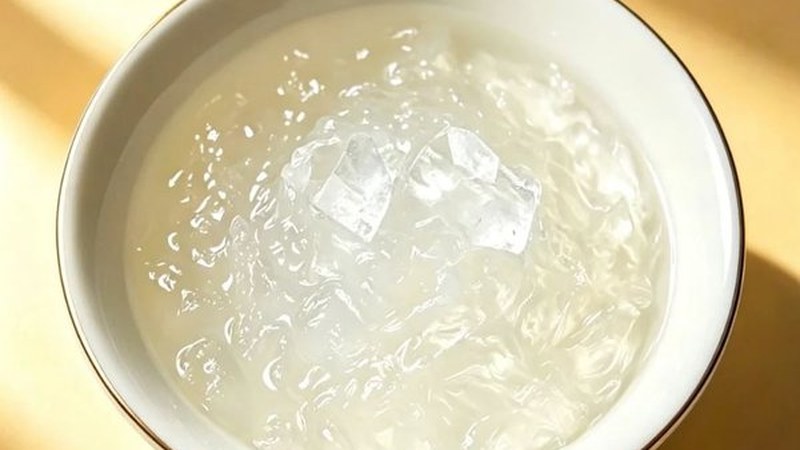
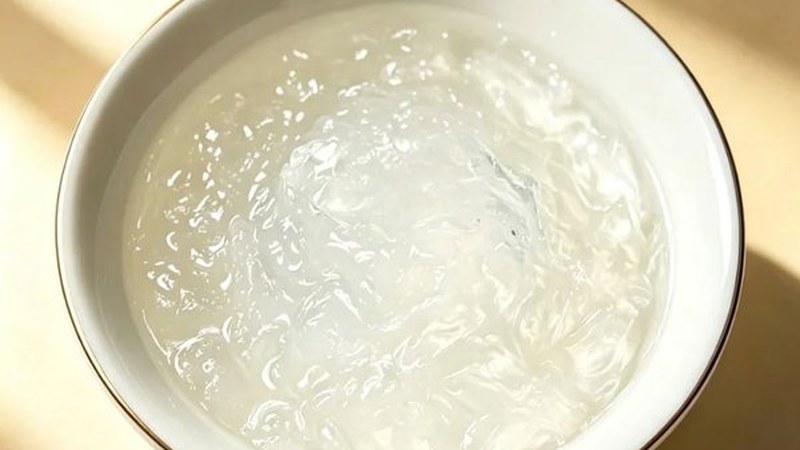
    Fresh stewed bird nest in a bowl with clear broth, natural amber color, traditional wellness food presentation

    However, the reality of modern life is that most of us simply do not have 5-7 hours to dedicate to a single serving of wellness food. Between work, family, exercise, and sleep, asking someone to plan their day around soaking bird’s nest is a tough sell. The Unsweetened Pure Bird Nest offers a middle ground — all the traditional nourishment, none of the preparation.

    Why I Made the Switch: Five Reasons RTD Won

    1. Consistency — Every bottle delivers the same bird’s nest content, the same texture, and the same nutritional profile. No more guessing whether today’s batch is as good as yesterday’s.
    2. Portability — I can throw a bottle in my bag and have it at the office, at the gym, or on a flight. Try doing that with a bowl of fresh stewed bird’s nest.
    3. Shelf stability — Unopened RTD bottles last 12-18 months without refrigeration. I buy in bulk, store them in my pantry, and never worry about running out.
    4. No waste — Every single gram of bird’s nest in that bottle ends up in my body. With dried, I inevitably lose some to the soaking water, stuck to the pot, or overcooked residue.
    5. Cost efficiency — As the table above shows, when you factor in everything, RTD is often the most affordable option per serving of actual consumable bird’s nest.

    What to Look for in a Quality RTD Bird’s Nest

    Not all ready-to-eat bird’s nest products are created equal. Here are the key factors I check before buying:

    • Bird’s nest content — Look for at least 500mg of bird’s nest solids per 70ml bottle. Premium brands often offer 800-1000mg.
    • Ingredient list — The shorter, the better. Ideally just bird’s nest, rock sugar (or a natural sweetener), and water. Avoid products with artificial flavors, thickeners, or preservatives.
    • Brand reputation — Check for HACCP, ISO, or GMP certifications. A transparent brand will share its sourcing and manufacturing processes.
    • Bird’s nest origin — Indonesia and Malaysia are the top producers of high-quality edible bird’s nest. Products sourced from these regions generally offer the best quality.

    Creamy bird nest milk drink served in a white ceramic bowl, nutritious breakfast wellness food, dairy and collagen blend

    The Verdict: Ready-to-Eat for Daily Wellness, Traditional for Special Occasions

    After comparing every angle — cost, time, nutrition, consistency, and practicality — my conclusion is simple. For daily wellness, ready-to-eat bird’s nest is the clear winner. It delivers the same key nutrients (sialic acid, glycoproteins, collagen) in a format that fits seamlessly into a modern lifestyle. I reserve fresh stewed bird’s nest for special occasions when I want the full sensory experience, and I keep a few bottles of Ginseng Bird Nest Tonic in my pantry for days when I need an extra vitality boost.

    If you are new to bird’s nest or considering making the switch from traditional preparation, start with a trusted RTD brand. Your future self — the one who gets an extra hour of sleep instead of soaking bird’s nest at midnight — will thank you.

    FAQ

    Q1: Is ready-to-eat bird’s nest as nutritious as freshly stewed?
    Yes. The nutritional profile of RTD bird’s nest is comparable to freshly prepared. The sterilization process does not significantly degrade key nutrients like sialic acid and glycoproteins. In fact, because RTD is produced under controlled conditions, the nutrient content per serving is often more consistent than homemade preparations.

    Q2: How long does an opened bottle of RTD bird’s nest last?
    Once opened, consume within 24 hours and keep refrigerated. Unopened bottles typically last 12-18 months when stored in a cool, dry place away from direct sunlight.

    Q3: Can I heat up ready-to-eat bird’s nest?
    Absolutely. The most common method is to place the sealed bottle in hot water for 3-5 minutes (warm-water bath). You can also pour it into a small pot and gently warm it, but avoid boiling — high heat may affect the texture of the bird’s nest strands.

    Q4: How much RTD bird’s nest should I drink per day?
    One standard bottle (70ml) per day is the recommended serving. This provides approximately 3-5g of dried bird’s nest equivalent, which is the traditional daily dosage. For best results, consume consistently for 2-3 months.

    Q5: Can pregnant women consume ready-to-eat bird’s nest?
    Bird’s nest is traditionally recommended during pregnancy for its nourishing properties. However, always consult your healthcare provider before adding any new supplement to your pregnancy diet. Choose a brand with transparent sourcing and no artificial additives.

    Ready to Make the Switch?

    Your wellness routine should fit your life, not the other way around. Whether you are a busy professional looking for a morning nutrition boost, a new parent short on time, or someone who simply values convenience without compromise, ready-to-eat bird’s nest is the smart choice. Browse our full collection of premium bird’s nest products and find the perfect fit for your daily ritual.

    Explore Our Bird’s Nest Collection ->