Tag: OEM

  • 5 Reasons Global Food Brands Are Choosing ZeaGrove as Their OEM Partner in Guangzhou

    5 Reasons Global Food Brands Are Choosing ZeaGrove as Their OEM Partner in Guangzhou

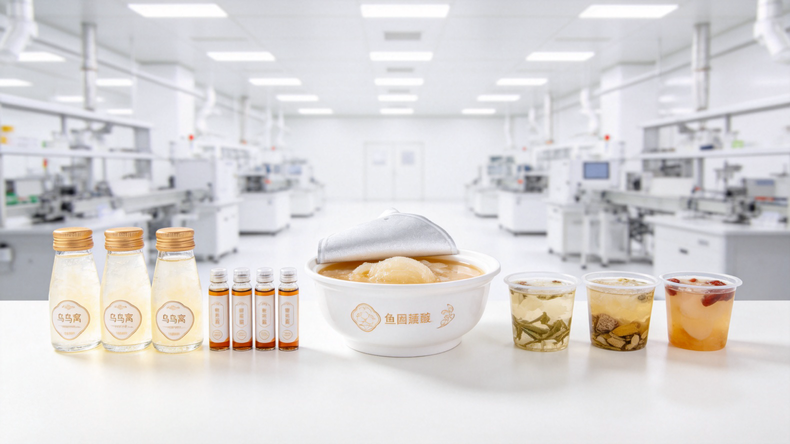
    ZeaGrove's comprehensive product range — ready for global OEM partnerships
    ZeaGrove’s comprehensive product range — ready for global OEM partnerships

    In the competitive world of OEM health food manufacturing, the choice of production partner can determine the success or failure of a product launch. Importers, distributors, and brand owners evaluating Chinese manufacturers are increasingly looking beyond price — scrutinizing production standards, certification depth, R&D capability, and supply chain reliability.

    ZeaGrove (Guangzhou) Health Industry Co., Ltd. has emerged as a preferred OEM partner for international food brands seeking premium Chinese wellness products — from collagen soups and bird’s nest drinks to herbal tonics and functional desserts. Here are the five reasons global buyers are choosing to partner with us.

    1. Pharmaceutical-Grade Production Infrastructure

    ZeaGrove operates two dedicated production facilities located at Runkang Industrial Park in Guangzhou’s Huadu District. Each facility covers 50,000 square meters — a combined 100,000 square meters of manufacturing space built to pharmaceutical-grade standards.

    Key infrastructure highlights:

    • 100,000-grade GMPC clean workshops — meeting the same air filtration and environmental standards required for pharmaceutical manufacturing
    • 30+ intelligent high-speed production lines — enabling simultaneous production across multiple product categories
    • Daily output capacity of 1.2-1.5 million servings — capable of supporting both pilot runs and large-scale commercial orders
    • Advanced 121-degree autoclave sterilization with 360-degree spray heating technology, ensuring product safety and extended ambient shelf life (6-12 months) without added preservatives

    2. Comprehensive International Certification Portfolio

    Navigating food import regulations across different countries is one of the most complex challenges for international buyers. ZeaGrove’s certification portfolio is designed to simplify market access for our OEM partners:

    Certification Significance for Importers
    ISO 9001 Quality management systems — foundational standard for manufacturing consistency
    ISO 22000 / FSSC 22000 Food safety management — GFSI-recognized, required by many Western retailers
    HACCP Hazard analysis and control points — prevention throughout production
    BRC Global Food Safety Standard — essential for UK and European retail
    FDA U.S. FDA compliance — required for import into the United States
    Halal Halal certification — opens doors to Muslim-majority markets

    3. Deep R&D Capability and Flexible Product Development

    ZeaGrove’s R&D team brings extensive experience formulating traditional Chinese wellness products for international palates. Our product development approach covers the full spectrum:

    • Custom Recipe Development: Our food scientists can adjust flavor profiles, sweetness levels, ingredient ratios, and texture to suit your target market’s preferences.
    • Rapid Prototyping: Our in-house test kitchen and pilot production line allow us to produce samples quickly for market testing.
    • Product Category Range: From fish maw soups and bird’s nest drinks to herbal tonics and functional desserts — deep expertise across multiple categories.

    4. True One-Stop OEM/ODM Service

    Our vertically integrated service model covers every stage of the product journey:

    1. Market Research & Concept — Identifying product opportunities based on market trends
    2. Formula Development — Creating and refining product formulations
    3. Ingredient Sourcing — Premium raw materials through audited supply chains
    4. Production & Quality Control — End-to-end QC monitoring
    5. Packaging Design & Production — Custom branding solutions
    6. Logistics & Export Documentation — Shipping and all export paperwork

    5. Guangzhou’s Strategic Location Advantage

    Guangzhou, the capital of Guangdong province, is one of the world’s most important trade and logistics hubs:

    • Proximity to Major Ports: Close to the Port of Nansha and Port of Shenzhen — direct shipping to North America, Europe, Middle East, and Southeast Asia
    • Raw Material Access: The Pearl River Delta is a major food ingredient sourcing hub
    • Fast Lead Times: Standard production lead time of 5-8 working days
    • Competitive MOQ: Minimum order quantity of 1,000 units — feasible for brands of all sizes

    🏭 Choosing the right OEM partner is a strategic decision.

    ZeaGrove combines pharmaceutical-grade manufacturing, comprehensive international certifications, deep R&D capability, end-to-end service, and a world-class logistics location to deliver a partnership that goes beyond simple contract manufacturing.

    Whether you are an established food importer looking to expand your product range or a startup brand seeking a reliable manufacturing partner, we invite you to discuss your project with us.


    ZeaGrove (Guangzhou) Health Industry Co., Ltd.
    Runkang Industrial Park, Huadu District, Guangzhou, China
    Web: www.zeagrove.com | Email: info@zeagrove.com
  • Beyond Bubble Tea: How Traditional Chinese Wellness Desserts Are Winning Western Palates

    Beyond Bubble Tea: How Traditional Chinese Wellness Desserts Are Winning Western Palates

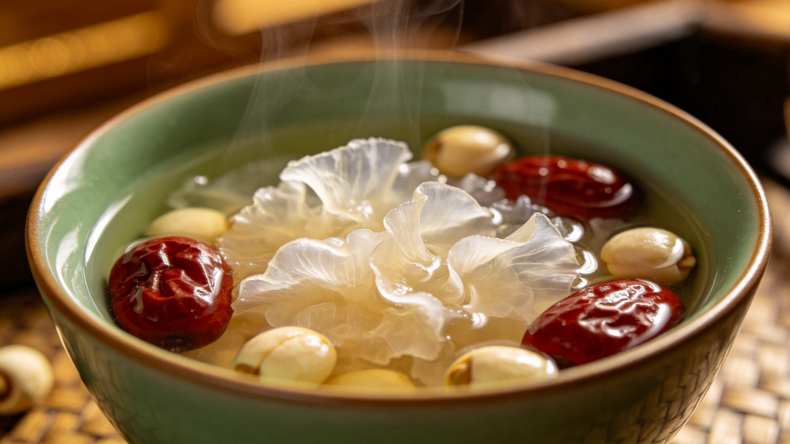
    Snow fungus (tremella) lotus seed dessert — a traditional Chinese wellness delicacy
    Snow fungus (tremella) lotus seed dessert — a traditional Chinese wellness delicacy

    The global functional food and beverage market is currently valued at over USD 380 billion and is projected to surpass USD 725 billion by 2036, growing at a robust CAGR of 7-11%. Within this massive landscape, a surprising category is emerging as a contender for mainstream Western acceptance: traditional Chinese wellness desserts.

    For decades, bubble tea served as the gateway beverage connecting Western consumers to Asian food culture. Today, a new wave of products — snow fungus desserts, coconut milk fish maw puddings, ginseng red date drinks, and lotus seed soups — is quietly entering specialty retailers, health food stores, and even mainstream supermarket shelves in North America, Europe, and Australasia.

    For importers and brand owners, this shift represents a genuine whitespace opportunity. Here is what is driving the trend and why Chinese wellness desserts are positioned for sustained growth in Western markets.

    The Convergence of Three Consumer Megatrends

    Traditional Chinese wellness desserts align almost perfectly with three dominant consumer trends reshaping the global food industry:

    Plant-Based and Flexitarian Eating. Ingredients such as snow fungus (Tremella fuciformis), lotus seed, red date, and goji berry are naturally plant-based, cholesterol-free, and low in saturated fat. Snow fungus, in particular, has gained attention in Western nutrition circles for its exceptional soluble fiber content and its ability to hold up to 500 times its weight in water, creating a naturally thick, gelatinous texture reminiscent of collagen or hyaluronic acid — without any animal ingredients. This makes it a compelling option for the growing flexitarian demographic, which now represents over 42% of consumers in key Western markets.

    Functional Indulgence. Consumers today increasingly reject the binary choice between “healthy” and “delicious.” They want both. The functional indulgence trend — products that deliver a tangible health benefit while being genuinely enjoyable to eat — is one of the fastest-growing segments in the food industry. Chinese wellness desserts naturally occupy this niche. A warm bowl of snow fungus lotus seed dessert is not merely a sweet treat; it carries a documented history of use for skin hydration, digestive health, and lung nourishment.

    Light Nourishment (“轻滋养”). The concept of “light nourishment” occupies a unique space in dietary culture. It is less intensive than traditional Chinese medicinal tonics (which can feel medicinal or unfamiliar to Western users) yet more substantial than casual snacking. ZeaGrove’s brand philosophy — “Make Health Preservation As Simple As Eating!” — speaks directly to this positioning.

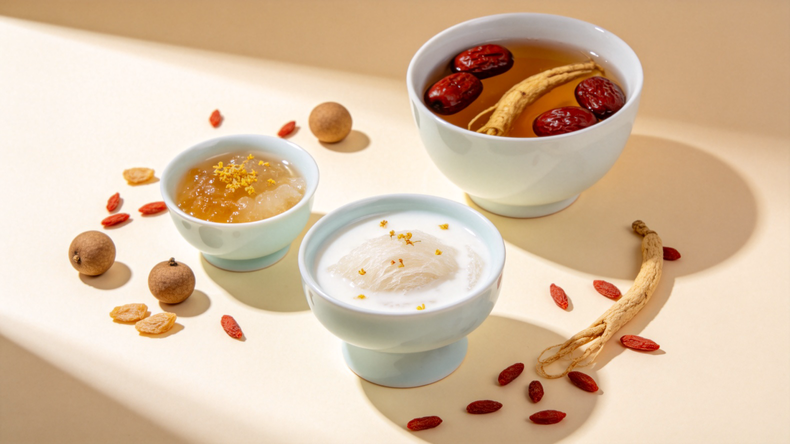
    Chinese Wellness Desserts Collection
    Traditional Chinese wellness desserts — functional indulgence meets clean label

    Category Spotlight: The Products with the Most Promise

    Based on current import trends and consumer reception, several Chinese wellness dessert categories show particular potential for Western markets:

    Snow Fungus (Tremella) Desserts. Often called the “plant-based collagen” ingredient, snow fungus is gaining traction in the beauty-from-within segment. When slow-cooked, it develops a silky, almost jelly-like texture that pairs well with fruit, coconut milk, or light syrups. Importers in the UK, Australia, and the US have reported strong trial rates for tremella-based dessert cups positioned as “skin health” functional foods.

    Coconut Milk Fish Maw Desserts. Combining marine collagen (from fish maw) with the familiar, globally accepted flavor of coconut milk creates a product that feels both exotic and approachable. The tropical flavor profile resonates well in Southeast Asian and Middle Eastern markets.

    Ginseng and Red Date Energy Beverages. Traditional herbal energy drinks — distinct from the high-caffeine, high-sugar energy beverage category — are finding an audience among health-conscious professionals. This segment aligns well with the growing adaptogenic beverage market.

    How ZeaGrove Supports International Brands Entering This Space

    Launching a traditional Chinese wellness dessert in a Western market involves navigating formulation, shelf stability, regulatory compliance, and packaging standards. As an experienced OEM/ODM manufacturer, ZeaGrove offers end-to-end support for importers and brand owners:

    • Recipe Localization: Our R&D team can adjust sweetness levels, texture profiles, and ingredient combinations to suit local taste preferences while retaining the product’s traditional wellness identity.
    • Shelf-Stable Manufacturing: Using 121°C high-temperature sterilization with 360-degree spray heating, our products achieve 6-12 months of ambient shelf life without adding preservatives.
    • Flexible Packaging Formats: From vacuum-sealed bowls and glass bottles to travel-friendly pouches, we offer multiple packaging options.
    • Certification Support: Our facilities hold HACCP, FSSC 22000, BRC, FDA, and Halal certifications, simplifying regulatory approval in your target market.

    🌟 The functional food market is hungry for innovation with authenticity.

    Chinese wellness desserts offer a genuine, heritage-based product story that today’s consumers can trust — delivered in formats they can actually enjoy.

    If you are assessing the opportunity to introduce traditional Chinese wellness desserts to your market, ZeaGrove is ready to partner. From initial concept through production, packaging, and logistics, we provide the manufacturing infrastructure and category expertise needed to succeed.


    ZeaGrove (Guangzhou) Health Industry Co., Ltd.
    Runkang Industrial Park, Huadu District, Guangzhou, China
    Web: www.zeagrove.com | Email: info@zeagrove.com
  • The Rise of Fish Maw in Global Wellness: Why Importers Are Betting on Marine Collagen

    The Rise of Fish Maw in Global Wellness: Why Importers Are Betting on Marine Collagen

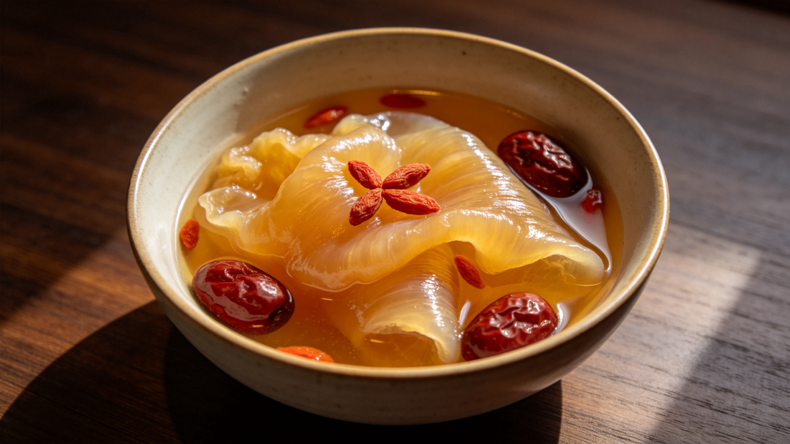
    Premium fish maw collagen soup — a traditional wellness ingredient going global
    Premium fish maw collagen soup — a traditional wellness ingredient going global

    The global marine collagen market is undergoing a significant transformation. Valued at approximately USD 1.26 billion in 2025, the market is projected to reach USD 2.8 billion by 2034, growing at a compound annual growth rate (CAGR) of roughly 9.5%. This surge is driven by rising consumer demand for natural, bioavailable, and sustainably sourced collagen in beauty, joint health, and functional food applications.

    Among the various marine collagen sources, one ingredient is quietly gaining traction among savvy importers and wellness brands: fish maw (花胶). While fish skin collagen peptides dominate Western market shelves, a growing number of international buyers are looking eastward to a traditional Asian superfood that offers a fundamentally different collagen profile.

    Fish Maw vs. Fish Skin Collagen: A Critical Distinction

    Not all marine collagen is created equal. The collagen peptides commonly found in Western supplements are typically derived from fish skin or scales and processed through extensive hydrolysis to break them into smaller peptides. Fish maw, by contrast, is the dried swim bladder of fish and has been used in traditional Chinese cuisine and medicine for centuries.

    The key differences that matter for product differentiation:

    • Collagen Type Profile: Fish maw is rich primarily in Type I collagen, the same type that constitutes over 90% of the collagen found in human skin, bones, tendons, and ligaments. Premium fish maw from species like croaker or sea bass delivers a denser, purer collagen structure.
    • Minimal Processing: Unlike fish skin collagen, which requires heavy enzymatic hydrolysis to become soluble, high-quality fish maw retains more of its native collagen structure. When slowly stewed, it forms a natural gelatinous broth that consumers perceive as “real food” rather than a processed supplement.
    • Traditional Credibility: Fish maw carries centuries of documented use in Chinese wellness culture for nourishing the skin, strengthening joints, and supporting postpartum recovery. This heritage provides a powerful brand narrative that synthetic or heavily processed collagen products cannot replicate.
    • Nutritional Density: Fish maw is naturally low in fat and carbohydrates while being high in protein. It also contains trace amounts of beneficial amino acids including glycine, proline, and hydroxyproline, which play specific roles in collagen synthesis.

    Why Importers Are Taking Notice

    North America and Europe remain the fastest-growing regions for marine collagen, with the North American market alone projected to reach approximately USD 473 million by 2032. Importers and brand owners in these regions are actively searching for premium ingredients that allow them to differentiate in an increasingly crowded collagen market.

    Fish maw presents a unique opportunity for several strategic reasons:

    Clean Label Appeal. Western consumers are becoming increasingly label-conscious. Products made from fish maw can be positioned as “minimally processed” or “traditionally prepared,” aligning with the clean-label movement that now drives purchasing decisions for over 60% of health-conscious consumers in key markets like the US, UK, and Australia.

    Beauty-from-Within Convergence. The nutricosmetics market — oral beauty supplements — is booming. Fish maw collagen products naturally bridge the gap between food and beauty, especially in the rapidly expanding functional beverage segment, which is growing at a CAGR of 7-9% globally.

    Product Format Versatility. Modern processing technology allows fish maw to be incorporated into ready-to-drink (RTD) collagen soups, dessert cups, concentrated shots, and even powder formats. This versatility gives brand owners multiple entry points into the market.

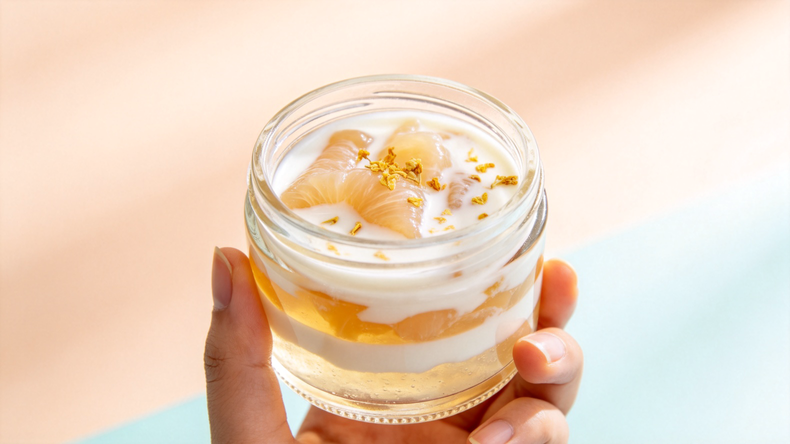
    Fish Maw Collagen Dessert
    Fish maw collagen dessert — versatile format for modern consumers

    ZeaGrove’s Fish Maw Product Line: OEM-Ready Solutions

    At ZeaGrove (Guangzhou) Health Industry Co., Ltd., we have developed a comprehensive range of fish maw products specifically designed for international importers and brands seeking OEM or private-label partnerships. Our product lineup includes:

    • Premium Fish Maw Collagen Soup — A ready-to-eat traditional soup base, available in multiple flavor profiles suitable for Western palates.
    • Fish Maw with Cordyceps Essence — A functional fusion combining marine collagen with adaptogenic mushroom extracts, targeting the growing immunity-plus-beauty segment.
    • Fish Maw with Coconut Milk Dessert — A plant-forward, dairy-free dessert format that appeals to flexitarian and lactose-intolerant consumers.

    Our two pharmaceutical-grade production facilities (each 50,000 square meters) are equipped with 30+ intelligent production lines capable of producing 1.2-1.5 million servings daily. Every product is manufactured in 100,000-grade GMPC clean workshops and undergoes rigorous quality control at every stage.

    The Export-Ready Advantage

    For importers, manufacturers, and brand owners evaluating fish maw as a product category, the choice of OEM partner is critical. ZeaGrove holds a comprehensive suite of international certifications that facilitate smooth cross-border trade:

    • ISO 9001 / ISO 22000 / FSSC 22000
    • HACCP / BRC (British Retail Consortium)
    • FDA (United States) / Halal Certification

    Our facilities are located in Guangzhou, China — a global logistics hub with convenient access to major shipping ports and airfreight routes. With a standard lead time of 5-8 working days and a flexible minimum order quantity of 1,000 units, we make market entry practical and scalable.

    💡 The global collagen market is shifting toward premium, traditionally sourced ingredients with authentic wellness credentials.

    Fish maw represents not just a product category, but a differentiated brand story — one that resonates with today’s informed, quality-driven consumer.

    If you are evaluating fish maw as a new product line for your market, we invite you to explore an OEM partnership with ZeaGrove. From concept development and recipe customization to packaging design and regulatory compliance support, our team is ready to help you launch a fish maw collagen product that stands apart.


    ZeaGrove (Guangzhou) Health Industry Co., Ltd.
    Runkang Industrial Park, Huadu District, Guangzhou, China
    Web: www.zeagrove.com | Email: info@zeagrove.com