If you have ever stood in front of a shelf of bird’s nest products wondering which one actually makes sense for your wallet and your schedule, you are not alone. Between fresh stewed bird’s nest served at dessert shops, traditional dried bird’s nest that requires hours of preparation, and the sleek ready-to-eat bottles lining supermarket shelves, the choice can feel overwhelming. I decided to crunch the numbers — comparing cost per serving, preparation time, nutritional consistency, and real-world practicality — and the results surprised even me. By the end of this article, you will understand exactly why I made the switch and never looked back.
The Three Contenders: A Quick Overview
Before we dive into the numbers, let us clarify what each format actually is. Fresh stewed bird’s nest is prepared on the spot at specialty shops — the chef soaks, cleans, and double-boils the nest, and you consume it immediately. Dried bird’s nest is the traditional form: whole nests that have been harvested, cleaned, and dried. You soak them overnight, pick out impurities, and simmer for hours. Ready-to-eat (RTD) bird’s nest comes in sealed glass bottles, already prepared and sterilized, requiring nothing more than opening the cap. Each format has its advocates, but only one delivers on every front when you actually look at the full picture.
The Cost Breakdown: What You Are Really Paying For
This is where the conventional wisdom falls apart. Most people assume dried bird’s nest is the cheapest option because the raw material costs less per gram. But when you factor in everything — preparation time, energy usage, waste from imperfect cleaning, and the fact that you lose about 20-30% of the dry weight during soaking and cooking — the story changes dramatically. Fresh stewed from a shop carries a premium for the service and ambiance. And ready-to-eat? Let the numbers speak for themselves.
| Cost Factor | Fresh Stewed (per serving) |
Dried Bird’s Nest (per serving) |
Ready-to-Eat (per bottle) |
|---|---|---|---|
| Raw ingredient cost | $8.00 – $12.00 | $5.00 – $8.00 | $6.00 – $9.00 |
| Preparation time | 30 min (waiting) | 6-8 hours (soaking + cooking) | 0 seconds |
| Energy / labor cost | Included in price | $0.50 – $1.00 | $0.00 |
| Waste / loss | Minimal | 20-30% weight loss | None |
| True cost per serving | $8.00 – $12.00 | $7.00 – $11.00 | $6.00 – $9.00 |
| Convenience score | ** | * | ***** |
When you account for everything, ready-to-eat bird’s nest is not only the most convenient option — it is often the most cost-effective. The price gap you thought existed between dried and RTD largely disappears once you factor in the hidden costs of preparation and waste.
Time Is the Real Currency
Let us talk about the one resource you cannot buy more of: time. A typical dried bird’s nest preparation involves:
- Soaking (4-6 hours) — The nest needs to be submerged in cold water until it softens and expands. This is not active time, but it requires planning ahead.
- Cleaning (15-30 minutes) — Even premium-grade dried nests contain small feathers, dust, and other impurities that must be picked out by hand. This is one of the most tedious steps.
- Double-boiling (30-60 minutes) — The actual cooking process, which requires monitoring to prevent overcooking or burning.
- Cooling (10-15 minutes) — Before it reaches a drinkable temperature.

That is roughly 5 to 7 hours from start to finish for a single serving of traditional bird’s nest. Fresh stewed from a shop eliminates the active work but still requires a trip to the store and a 20-30 minute wait. Ready-to-eat, by contrast, is ready the moment you twist the cap. In the time it takes you to brew your morning coffee, your daily bird’s nest serving is already consumed.
Nutritional Consistency: The Hidden Advantage of RTD
One of the most overlooked factors in choosing a bird’s nest format is nutritional consistency. When you prepare dried bird’s nest at home, every batch is different. The soaking time, water temperature, cooking duration, and even the quality of the specific nest all affect the final nutritional profile. One day you might get a rich, concentrated brew; the next, a thinner, less potent result.
Ready-to-eat bird’s nest from reputable brands is manufactured under controlled conditions. Each bottle undergoes the same process: standardized soaking times, precise temperature control during sterilization, and consistent bird’s nest content per serving. What you get in bottle number one is exactly what you get in bottle number fifty. This consistency matters — especially if you are using bird’s nest for specific health goals like immune support, skin nourishment, or post-surgery recovery, where a steady intake of active compounds like sialic acid and glycoproteins is important.
Fresh Stewed: The Restaurant Experience
Fresh stewed bird’s nest has its place. The texture is unmatched — soft, silky, with a delicate mouthfeel that many connoisseurs prize. High-end dessert shops in Singapore, Hong Kong, and Kuala Lumpur have built entire reputations around their freshly prepared bird’s nest soups and desserts. If you are treating yourself to a special occasion or introducing someone to bird’s nest for the first time, fresh stewed is a wonderful experience.
But as a daily wellness ritual? The cost adds up quickly. At $8-12 per bowl, a month of daily consumption would run you $240-360. Compare that to ready-to-eat options like Pure Bird Nest with Rock Sugar at roughly $6-9 per bottle, and the math becomes compelling. For less than the price of a weekly fresh stewed bowl, you can enjoy bird’s nest every single day with RTD.
Dried Bird’s Nest: The Traditional Art
I have nothing but respect for the tradition of dried bird’s nest. For centuries, families have passed down the knowledge of selecting, preparing, and double-boiling this treasured ingredient. There is a meditative quality to the process — soaking the nest overnight, carefully picking out impurities, and watching it transform into a nourishing broth. For those who find joy in the ritual itself, dried bird’s nest is irreplaceable.
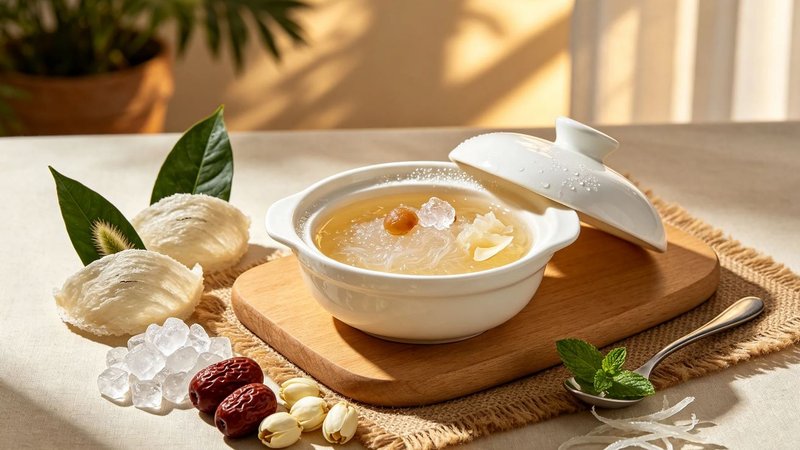
However, the reality of modern life is that most of us simply do not have 5-7 hours to dedicate to a single serving of wellness food. Between work, family, exercise, and sleep, asking someone to plan their day around soaking bird’s nest is a tough sell. The Unsweetened Pure Bird Nest offers a middle ground — all the traditional nourishment, none of the preparation.
Why I Made the Switch: Five Reasons RTD Won
- Consistency — Every bottle delivers the same bird’s nest content, the same texture, and the same nutritional profile. No more guessing whether today’s batch is as good as yesterday’s.
- Portability — I can throw a bottle in my bag and have it at the office, at the gym, or on a flight. Try doing that with a bowl of fresh stewed bird’s nest.
- Shelf stability — Unopened RTD bottles last 12-18 months without refrigeration. I buy in bulk, store them in my pantry, and never worry about running out.
- No waste — Every single gram of bird’s nest in that bottle ends up in my body. With dried, I inevitably lose some to the soaking water, stuck to the pot, or overcooked residue.
- Cost efficiency — As the table above shows, when you factor in everything, RTD is often the most affordable option per serving of actual consumable bird’s nest.
What to Look for in a Quality RTD Bird’s Nest
Not all ready-to-eat bird’s nest products are created equal. Here are the key factors I check before buying:
- Bird’s nest content — Look for at least 500mg of bird’s nest solids per 70ml bottle. Premium brands often offer 800-1000mg.
- Ingredient list — The shorter, the better. Ideally just bird’s nest, rock sugar (or a natural sweetener), and water. Avoid products with artificial flavors, thickeners, or preservatives.
- Brand reputation — Check for HACCP, ISO, or GMP certifications. A transparent brand will share its sourcing and manufacturing processes.
- Bird’s nest origin — Indonesia and Malaysia are the top producers of high-quality edible bird’s nest. Products sourced from these regions generally offer the best quality.

The Verdict: Ready-to-Eat for Daily Wellness, Traditional for Special Occasions
After comparing every angle — cost, time, nutrition, consistency, and practicality — my conclusion is simple. For daily wellness, ready-to-eat bird’s nest is the clear winner. It delivers the same key nutrients (sialic acid, glycoproteins, collagen) in a format that fits seamlessly into a modern lifestyle. I reserve fresh stewed bird’s nest for special occasions when I want the full sensory experience, and I keep a few bottles of Ginseng Bird Nest Tonic in my pantry for days when I need an extra vitality boost.
If you are new to bird’s nest or considering making the switch from traditional preparation, start with a trusted RTD brand. Your future self — the one who gets an extra hour of sleep instead of soaking bird’s nest at midnight — will thank you.
FAQ
Q1: Is ready-to-eat bird’s nest as nutritious as freshly stewed?
Yes. The nutritional profile of RTD bird’s nest is comparable to freshly prepared. The sterilization process does not significantly degrade key nutrients like sialic acid and glycoproteins. In fact, because RTD is produced under controlled conditions, the nutrient content per serving is often more consistent than homemade preparations.
Q2: How long does an opened bottle of RTD bird’s nest last?
Once opened, consume within 24 hours and keep refrigerated. Unopened bottles typically last 12-18 months when stored in a cool, dry place away from direct sunlight.
Q3: Can I heat up ready-to-eat bird’s nest?
Absolutely. The most common method is to place the sealed bottle in hot water for 3-5 minutes (warm-water bath). You can also pour it into a small pot and gently warm it, but avoid boiling — high heat may affect the texture of the bird’s nest strands.
Q4: How much RTD bird’s nest should I drink per day?
One standard bottle (70ml) per day is the recommended serving. This provides approximately 3-5g of dried bird’s nest equivalent, which is the traditional daily dosage. For best results, consume consistently for 2-3 months.
Q5: Can pregnant women consume ready-to-eat bird’s nest?
Bird’s nest is traditionally recommended during pregnancy for its nourishing properties. However, always consult your healthcare provider before adding any new supplement to your pregnancy diet. Choose a brand with transparent sourcing and no artificial additives.
Ready to Make the Switch?
Your wellness routine should fit your life, not the other way around. Whether you are a busy professional looking for a morning nutrition boost, a new parent short on time, or someone who simply values convenience without compromise, ready-to-eat bird’s nest is the smart choice. Browse our full collection of premium bird’s nest products and find the perfect fit for your daily ritual.