Tag: bird nest benefits

  • Is Ready-to-Eat Bird’s Nest Worth Buying? We Break Down the Nutrition and Cost

    Is Ready-to-Eat Bird’s Nest Worth Buying? We Break Down the Nutrition and Cost

    Every week, someone asks me the same question: is ready-to-eat bird’s nest actually worth buying, or am I just paying for the glass bottle? It is a fair question. Ready-to-eat (RTD) bird’s nest costs more up front than loose dried nest, and there is a lingering belief that anything convenient must be inferior. After years of reading the labels, comparing price per gram, and yes, tasting a lot of bird’s nest, I can tell you the answer is more nuanced than a simple yes or no. In this article, we break down the nutrition and the real cost — so you can decide for yourself with the facts in hand.

    Before you write it off as an overpriced convenience food, consider this: the global bird’s nest market has grown steadily for a decade, and ready-to-eat formats now account for the largest share of new products hitting store shelves. That growth is not driven by marketing alone — it reflects how the modern consumer actually wants to consume traditional wellness food. What you need is not another opinion piece. You need the numbers: what is in the bottle, what it costs to produce, what you actually pay, and whether the convenience premium is real or imagined. That is exactly what we are going to unpack, section by section.

    What Is Actually Inside Ready-to-Eat Bird’s Nest?

    Before we talk money, let us talk nutrients. The reason bird’s nest has been treasured for over a thousand years comes down to a handful of biologically active compounds that are genuinely rare in the food world. A high-quality ready-to-eat bird’s nest — one made from real edible nest, not just flavoring and sugar syrup — delivers the same core nutrients as freshly stewed or dried-and-prepared nest.

    Nutrient Role in the Body What It Means for You
    Sialic Acid (NANA) Cell membrane component, immune signaling Supports immunity and cognitive function
    Glycoproteins Tissue building blocks Supports skin elasticity and repair
    EGF (Epidermal Growth Factor) Stimulates cell growth May support skin renewal and healing
    Collagen Structural protein in skin and joints Contributes to firm, hydrated skin
    Amino Acids Protein building blocks Support overall tissue maintenance
    Calcium & Iron Bone and blood health Complement the mineral needs of the body

    Bird nest nutrition science infographic showing key nutrients like sialic acid, collagen, and glycoproteins in ready-to-eat bird nest

    The critical point is this: the nutritional profile is determined by the bird’s nest solids in the bottle, not by whether the product was prepared in a restaurant kitchen or a certified factory. What matters is the solid content — the actual amount of bird’s nest in each serving. A premium RTD bottle with 500-1000mg of nest solids per 70ml is nutritionally comparable to a bowl of freshly double-boiled nest with the same dry weight.

    The Real Cost: Beyond the Price Tag

    Now for the part everyone actually cares about — the money. When people compare RTD to dried bird’s nest, they usually compare raw price per gram and conclude dried is cheaper. But that comparison ignores everything that happens after you buy it. Let us lay out the full picture.

    Cost Factor Ready-to-Eat Dried Bird’s Nest Fresh Stewed (Shop)
    Up-front price per serving $6 – $9 $5 – $8 $8 – $12
    Preparation time 0 minutes 5-7 hours 20-30 min wait
    Hidden losses None 20-30% weight loss during soaking Minimal
    Consistency Standardized Varies batch to batch Varies by chef
    Storage 12-18 months shelf stable Needs dry, cool storage Must consume immediately
    True cost per serving $6 – $9 $7 – $11 $8 – $12

    Let us run a concrete example. Suppose you want a daily serving of bird’s nest, 30 days a month. With ready-to-eat, that is 30 bottles at roughly $7 each — about $210 a month, and every serving is actually consumed. With dried bird’s nest, a 50-gram pack at $300 might seem cheaper per gram, but after soaking losses of 20-30% and the reality that busy weeks mean skipped batches, you might realistically get 25-30 servings instead of the expected 50. That pushes the effective cost to $10-12 per serving — and only if you have the hours to prepare it. The economics of consistency quietly favor the bottle.

    Once you factor in preparation time, waste, and the cost of a mistake (burn a pot of dried nest and that $40 is gone), the price gap that seems so obvious on paper narrows dramatically. For many people, the Pure Bird Nest with Rock Sugar at around $6-9 per bottle ends up being the most cost-effective way to consume bird’s nest consistently.
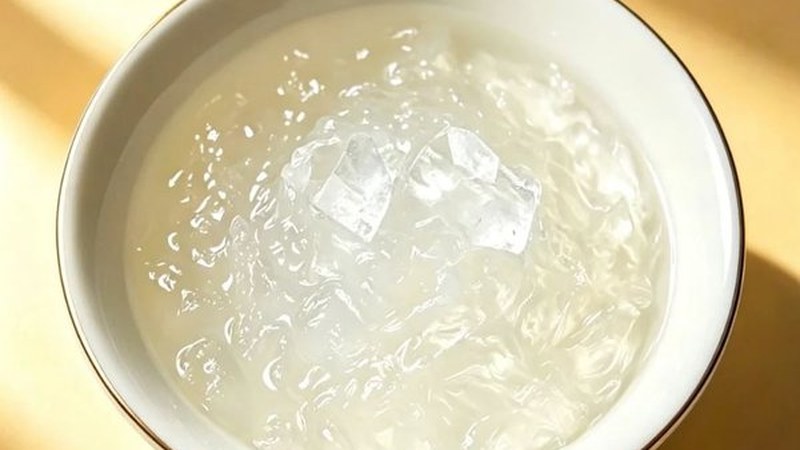
    Pure bird nest with rock sugar in a clear glass bottle, minimal ingredients label, premium ready-to-eat bird nest product

    Convenience Is a Feature, Not a Compromise

    Here is the thing nobody says out loud: most people who buy dried bird’s nest do not actually eat it daily. It sits in the pantry. The soaking gets skipped. The “special occasion only” bottle lasts a year. Meanwhile, an RTD bottle in your bag or on your desk is consumed — which means you actually receive the nutritional benefit, every single day.

    The three biggest advantages of ready-to-eat format:

    1. Daily consistency — A bottle on the counter is eaten; a bag of dried nest in the cupboard is forgotten. Consistency is what drives results in wellness.
    2. Portability — Office, travel, gym, school run — a sealed bottle goes anywhere. No bowl, no stove, no washing up.
    3. Portion control — Each bottle is a measured serving. You always know exactly how much bird’s nest you consumed.
    Fresh bird nest product in elegant packaging, ready-to-eat bird nest gift box, premium wellness food

    There is also the practical reality of storage. Dried bird’s nest is delicate — it absorbs moisture, picks up odors, and must be kept sealed in a cool, dry spot. One humid week can turn pristine white nests brittle or musty. Ready-to-eat bottles, by contrast, are vacuum-sealed and heat-sterilized, holding their quality for 12-18 months on a pantry shelf. You can stock up during a sale, keep a bottle at the office and another in your travel bag, and never think about spoilage. For anyone who has opened a bag of dried nest to find it has changed color or smell, that stability is worth real money.

    How to Tell a Good RTD Bird’s Nest From a Marketing Gimmick

    Not every ready-to-eat bird’s nest is created equal. Some “bird’s nest drinks” contain more sugar and flavoring than actual nest. Here is what to check before you buy:

    • Bird’s nest content per serving — Look for the milligram figure on the label. 500mg or more per 70ml bottle is a good starting point; premium products offer 800-1000mg.
    • Ingredients list — The shorter, the better. Ideally just bird’s nest, rock sugar or honey, and water. Walk away from long lists full of thickeners, artificial colors, and flavorings.
    • Sourcing and certifications — Trustworthy brands display HACCP, ISO, or GMP certification and are transparent about where their nest comes from (Indonesia and Malaysia are the top producers).
    • Texture in the bottle — You should see actual strands of bird’s nest, not just cloudy liquid. The strands should hold their shape when you pour.

    Ginseng bird nest tonic in a glass bottle, ready-to-drink herbal wellness supplement with amber liquid

    Who Should Choose Ready-to-Eat Bird’s Nest?

    Ready-to-eat bird’s nest is not for everyone — but it is for more people than most realize. It makes the most sense for:

    • Busy professionals — If your mornings are a sprint, a bottle of Bird Nest Milk Drink is a nourishing start that takes five seconds to open.
    • New parents — Sleep is short and hands are full. RTD removes the preparation burden entirely.
    • Frequent travelers — A sealed bottle survives a flight and fits in a carry-on without leaking.
    • Those new to bird’s nest — RTD is the easiest, lowest-commitment way to see if bird’s nest agrees with you before investing in a large bag of dried nest.
    • Gift buyers — A beautifully packaged Fresh Bird Nest Gift Box communicates care without requiring the recipient to spend hours in the kitchen.

    On the other hand, if you genuinely enjoy the ritual of soaking and double-boiling, or if you are preparing bird’s nest as a shared family dessert, dried nest still has a place. And for a special occasion, nothing beats the theatre of fresh stewed nest at a fine dessert house.

    One of the biggest mistakes new users make is quitting after a week because they did not notice any change. Wellness foods work on a cumulative curve. Traditional Chinese dietary practice recommends consuming bird’s nest consistently for at least two to three months to observe its benefits. A ready-to-eat format removes the most common reason people abandon that routine — the hassle. Because the daily effort is near zero, the habit is far easier to keep. That is arguably the single strongest argument for choosing ready-to-eat: not that the bottle is better, but that you will actually finish the bottle.

    FAQ

    Q1: Is ready-to-eat bird’s nest as nutritious as dried bird’s nest?
    Yes, provided the solid content is comparable. The key factor is milligrams of bird’s nest per serving, not the format. A quality RTD bottle with 500mg+ of nest solids delivers the same sialic acid, glycoproteins, and collagen as freshly prepared nest of equal dry weight.

    Q2: Why is ready-to-eat bird’s nest more expensive per gram than dried?
    Because you are paying for processing, packaging, and convenience. The sterilization and sealing process that gives RTD a 12-18 month shelf life costs money. However, when you factor in the 20-30% weight loss of dried nest during preparation, plus your time, the total cost per serving is often comparable — or even in RTD’s favor.

    Q3: How do I know I am getting real bird’s nest and not just syrup?
    Read the label. Check the declared bird’s nest content (look for 500mg+ per bottle) and the ingredients list. Real RTD bird’s nest should show visible strands when poured, and the ingredient list should be short — bird’s nest, sweetener, and water.

    Q4: Can I heat up a bottle of ready-to-eat bird’s nest?
    Yes. Place the sealed bottle in hot water for 3-5 minutes (a warm-water bath), or pour the contents into a small pot and warm gently. Avoid boiling, which can break down the delicate nest strands.

    Q5: How long does an opened bottle last?
    Once opened, consume within 24 hours and keep refrigerated. An unopened bottle is shelf stable for 12-18 months in a cool, dry place away from direct sunlight.

    The Bottom Line

    Is ready-to-eat bird’s nest worth buying? If you value consistency, convenience, and actually finishing what you start — yes, absolutely. The nutrition holds up when you choose a quality product, and the true cost per serving is far closer to dried nest than the sticker price suggests. The bottle that sits on your counter and gets drunk daily will do more for your wellness than the premium dried nest that never quite makes it out of the pantry.

    And if you are still on the fence, start small. Try a single bottle of a well-reviewed ready-to-eat bird’s nest for a week and pay attention to how it fits into your morning. If the ritual feels right, scale up; if it does not, you have lost very little. That is the beauty of the format — you can trial it with almost zero commitment, something no bag of dried nest or single trip to a dessert shop can offer.

    Ready to give it a try? Explore our collection of ready-to-eat bird’s nest products — from the minimal Unsweetened Pure Bird Nest to the energizing Ginseng Bird Nest Tonic — and find the one that fits your routine.
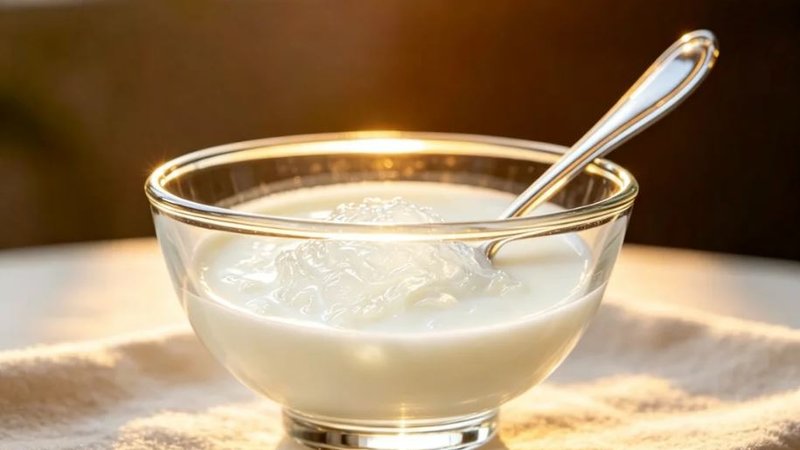
  • My 5-Minute Morning Routine’s New Favorite: Instant Milk Bird’s Nest, the Light Daily Tonic Even Lazy People Can Stick With

    My 5-Minute Morning Routine’s New Favorite: Instant Milk Bird’s Nest, the Light Daily Tonic Even Lazy People Can Stick With

    There’s a whole category of people who genuinely want to eat well but don’t have twenty spare minutes to prove it. I’m one of them. Between the morning rush for the train, a workout I refuse to skip, and a to-do list that starts multiplying the second my eyes open, breakfast was always the thing I promised to fix “eventually.” Then I found instant milk bird’s nest — a ready-to-drink bottle that fits into a five-minute morning, tastes like a proper treat, and finally gave me a healthy habit I’ve kept up for two full months without a single gap.

    In this post, I’m sharing the honest story of how I got hooked, the three ridiculously simple ways I drink it, and exactly why it beat every other “healthy breakfast” I’ve ever tried.

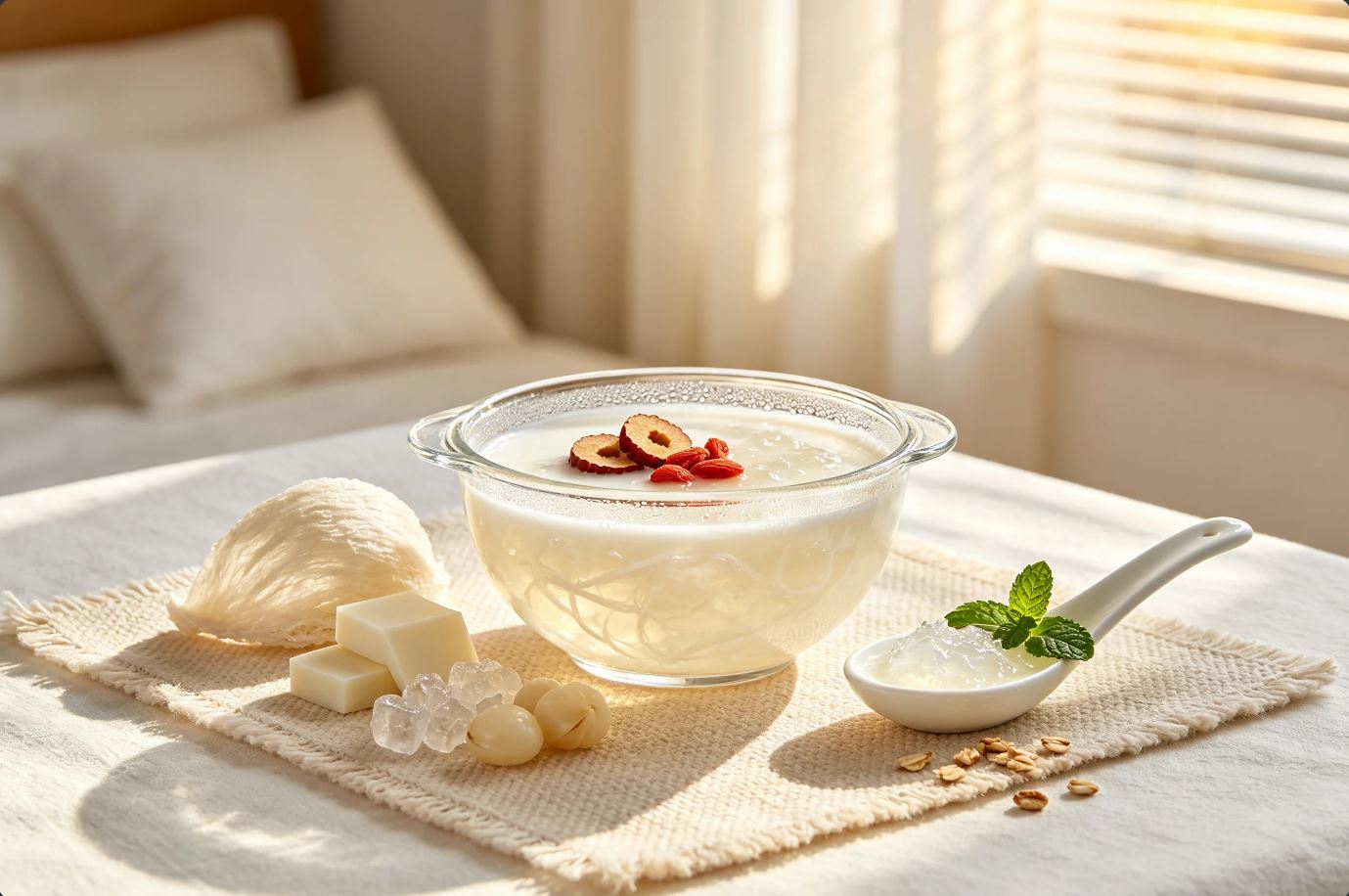
    Instant milk bird's nest drink in a glass bottle, creamy ready-to-drink breakfast tonic

    The Graveyard of Good Intentions: My Collection of Abandoned Healthy Breakfasts

    Let me be honest about my track record. I have started, and quietly abandoned, more healthy breakfasts than I care to count:

    • Steamed broccoli and eggs — fine for about a month, then the mere sight of them made me sad.
    • Green smoothies — delicious, until you remember clean-up is twenty minutes of blender, jars, and sink.
    • Supplement jars and wellness powders — bought in bulk, taken faithfully for four days, then forgotten in a cabinet.
    • Overnight oats — I actually loved these… until the mornings I forgot to prep them the night before.

    The pattern was always the same: it took too long, it tasted like effort, or it demanded a level of planning my sleep-deprived brain simply cannot produce at 7 a.m.

    That’s why instant milk bird’s nest felt almost unfair when I discovered it. No blending. No measuring. No soaking. No washing up. Just pull a bottle out of the fridge and it’s already a complete breakfast — protein, calcium, and bird’s nest in one sip. It was the first “healthy thing” that cost me less effort than the unhealthy alternative, and that’s exactly the moment I should have known the habit would stick.

    How I Got Hooked: A Breakfast Table in Southeast Asia

    Last year I spent a couple of weeks traveling through Southeast Asia, and one morning at a friend’s family home, they set out little bottles of milky bird’s nest next to the bread and fruit. I asked about it — half curious, half assuming it was some fancy wellness thing they’d bought for the guest. My friend laughed and said it was just their normal breakfast, and that she’d basically grown up drinking it.

    So I tried a sip. I was bracing for something that tasted like a herbal remedy. Instead it was… sweet, chilled milk with soft, slippery strands of bird’s nest floating through it. No earthy bitterness, no weird aftertaste, no “this is good for me so I must endure it” flavor. Just a genuinely nice drink that happened to be nourishing.

    I was sold before breakfast was over. By the end of the trip I’d found a reliable brand to order from, and I’ve kept a steady supply in the fridge ever since. It’s now the one wellness product I never run out of — and, if I’m being completely honest, the only one I’ve never missed a day of.

    Instant milk bird's nest bottles in premium gift box packaging, ready-to-drink wellness set

    Three Ridiculously Simple Ways to Drink It (Even a Total Beginner Can Handle)

    If you’re not sure where to start, don’t overthink it. These are the three ways I rotate through, in order of laziness:

    1. The Five-Minute Morning Version (my everyday go-to). Straight from the fridge, no warm-up, no fuss. I pour a Bird Nest Milk Drink into a glass and pair it with a slice of whole-wheat toast — and I’m out the door with a proper breakfast in under five minutes. It gives me protein, calcium, and the sialic acid from the bird’s nest, which used to be three separate things I had to assemble. I like mine first thing on an empty stomach, which is how I’ve always taken bird’s nest. It goes down fast, and there’s not a single dish to wash afterward.
    2. The Afternoon Pick-Me-Up. When the 3 p.m. slump hits and half the office is queueing for bubble tea, I pour a bottle over some ice, add a handful of fresh berries and a spoon of chia seeds, and drink it like a fancy dessert. It genuinely keeps me full until I leave work — I’ve basically stopped buying vending-machine snacks entirely. And because it’s a fraction of the sugar load of a milk tea, there’s no post-lunch crash, just a steady afternoon. If I want something fruitier, the Sakura Guava Bird Nest Milk is my pick for a weekend treat.
    3. The “That Time of the Month” Version. When I’m on my period, I warm a bottle gently in a bowl of hot water — not boiling, just warm to the touch — then add a slice of ginger or a few red dates. It’s comforting, it’s actually warm, and it has real nutrition behind it: far more than the brown sugar water I used to reach for, and without the sugar spike that always made me feel worse an hour later.

    Between these three, I never get bored, and none of them requires a recipe or more than one glass to rinse. That, honestly, is the whole secret to my two-month streak — the product is doing all the work, I just have to open the fridge.

    Sakura guava instant milk bird's nest drink in a glass bottle, fruity ready-to-drink beverage

    Why I Rate Instant Milk Bird’s Nest Above Every Other Tonic I’ve Tried

    I’ve cycled through plenty of “superfoods” over the years, so I have a sharp eye for what actually survives contact with real life. Here’s the comparison table I keep in my head:

    Instant Milk Bird’s Nest Store-Bought Smoothie Supplement Jars Dried Bird’s Nest
    Time to prepare 0 minutes 5–15 min + washing up 30 seconds 4+ hours soaking & simmering
    Taste Sweet, creamy, mild Varies — often needs added sugar Pill aftertaste Neutral, needs flavoring
    Calories (per 100 g) ~80 kcal (334 kJ) Often 200+ kcal N/A Varies
    Key nutrients Protein, calcium, sialic acid Fruit vitamins, often sugar-heavy Single nutrient Sialic acid, glycoproteins
    Allergen note Contains dairy — read the label Dairy-free options exist Check the label Generally gentle
    Still taking it in 2 months? Yes — it’s the one that stuck It’s a drink, not a habit Be honest with yourself Only if you remember to cook it

    And here’s why it wins for someone like me, point by point:

    • Low burden. A 100 g serving comes in at around 80 calories (334 kJ) with 3.1 g of protein and real calcium from the milk base — lighter than a medium apple, and nowhere near the calorie count of your average smoothie or bubble tea. If you’re watching your sugar, there’s an unsweetened pure bird’s nest that’s just bird’s nest and water, nothing added, nothing hidden.
    • No forbidden list. This is the part that sold me on bird’s nest generally. A lot of trendy superfoods come with a mile-long list of who shouldn’t take them — pregnant women, sensitive stomachs, people on this or that medication. Bird’s nest is famously gentle; it’s been eaten daily in Asian households for centuries, and that’s exactly why my pregnant best friend now has a bottle every day (yes, she checked with her doctor first, and so should you if you’re pregnant). The one real caution with the milk version is the dairy itself — if you’re lactose intolerant or allergic to milk protein, this one isn’t for you.
    • Easy to keep up. The absolute killer feature. With dried bird’s nest you soak it for hours and simmer it for another hour — beautiful, but not something a tired person does on a Tuesday. With instant milk bird’s nest, you buy a case, it lives in your fridge, and the habit is literally “open, pour, done.” I’ve now drunk it daily for two months without a single gap, and that’s the real test of any wellness product. It’s the first one that’s ever passed for me.

    Mango pomelo instant milk bird's nest drink in a glass bottle, tropical ready-to-drink beverage

    FAQ

    Q1: Is instant milk bird’s nest as good as the traditional dried kind?
    A: The bird’s nest in ready-to-drink bottles is prepared the same way you’d prepare it at home — simmered until the strands are soft and gelatinous — then sealed and sterilized so it stays fresh until you open it. The real difference is convenience: dried bird’s nest needs hours of soaking and simmering, while the bottled version is grab-and-go. For daily, realistic use, most people (including me) find the bottled version far easier to actually stick with. If you want the full deep-dive on the nutrition and how both compare, our bird’s nest guide is a good place to start.

    Q2: How much should I drink per day?
    A: A single 150 g bottle a day is plenty for daily upkeep. It’s a complement to a normal diet, not a replacement for one — I pair it with my regular meals and treat it as the easy, nutritious part of my morning. If you want something a little more dessert-like for a change, the Mango Bird Nest Milk is a lovely occasional swap.

    Q3: Can I drink it during pregnancy?
    A: Bird’s nest has a long tradition of being enjoyed during pregnancy, and many women — including my best friend — drink it daily. That said, everyone’s situation is different, so the sensible move is to clear it with your doctor or midwife first. And because the milk version contains dairy, anyone with lactose intolerance or a milk protein allergy should reach for the unsweetened pure bird’s nest instead.

    Q4: How should I store it?
    A: This is a milk-based drink, so it lives in the fridge at around 4–8°C. Take it out, pour it, done. Because it comes in single-serving bottles, there’s no half-finished jar sitting in your fridge going off — which is exactly the kind of low-effort design I’m a fan of.

    Conclusion

    Two months in, instant milk bird’s nest is the rare wellness product that survived contact with my actual life. It’s a five-minute breakfast I don’t have to think about, it tastes good enough that I look forward to it, and it’s light enough that I never feel like I’m “supplementing.” If you’ve ever bought a superfood jar, used it four times, and guiltily pushed it to the back of the cabinet — this one is for you.

    Ready to try it? Explore the ZeaGrove bird’s nest collection and find the version that fits your morning.

    Explore Bird’s Nest →

  • The Complete Guide to Fresh Bird Nest Benefits — Instant Nourishment for Skin Immune and Daily Wellness

    The Complete Guide to Fresh Bird Nest Benefits — Instant Nourishment for Skin Immune and Daily Wellness

    For centuries, bird’s nest was a delicacy reserved for Chinese emperors and the highest nobility — a reward so precious it was measured by the spoonful. Today, fresh bird’s nest has transformed this ancient treasure into a daily wellness ritual that fits the pace of modern life. Whether you are a beauty-conscious professional, a health-focused parent, or someone exploring traditional Chinese nourishment for the first time, understanding the benefits of fresh bird’s nest can help you make an informed choice.

    Fresh bird’s nest, also known as instant or ready-to-eat bird’s nest, is prepared from premium swiftlet nests that have been carefully cleaned, double-boiled, and sealed for convenient daily consumption. Unlike dried bird’s nest that requires hours of soaking and slow simmering, fresh bird’s nest delivers the same concentrated nourishment in a format you can open and enjoy in seconds. This guide explores what makes fresh bird’s nest so valuable, the science behind its benefits, and how to choose a quality product that truly delivers.

    Fresh bird nest ready-to-eat pure supplement in glass bottle

    What Makes Fresh Bird’s Nest So Nutritious

    Bird’s nest owes its remarkable reputation to a unique combination of bioactive compounds rarely found together in a single natural food. The most celebrated of these is sialic acid, also known as N-acetylneuraminic acid, which plays a fundamental role in immune function, cellular communication, and brain health. Fresh bird’s nest is one of the richest natural sources of this compound on earth.

    Beyond sialic acid, bird’s nest contains glycoproteins that support tissue repair, natural collagen for skin structure, and epidermal growth factor (EGF) that stimulates cell regeneration. Together, these nutrients create a comprehensive wellness profile that supports your body on multiple levels — which is why bird’s nest has been called both a beauty food and an immunity tonic for over a thousand years.

    Nutrient Primary Function Health Benefit
    Sialic Acid (NANA) Cell membrane support Boosts immunity and brain health
    Glycoproteins Tissue repair Promotes skin elasticity and healing
    Collagen Structural protein Maintains skin firmness and joints
    EGF Cell growth Encourages skin regeneration
    Amino Acids Protein building Supports muscle and enzyme health

    Pure bird nest with rock sugar in glass bottle traditional supplement

    The Five Key Benefits of Fresh Bird’s Nest

    Incorporating fresh bird’s nest into your routine offers benefits that go far beyond ordinary supplements. Here are five reasons why this traditional delicacy deserves a place in your daily wellness practice.

    • Immune system support — Sialic acid helps white blood cells recognize and neutralize pathogens, strengthening your natural defenses during seasonal changes. Many users report fewer colds and faster recovery when consuming bird’s nest regularly.
    • Skin health and radiance — The combination of collagen, EGF, and glycoproteins works from within to support skin elasticity, reduce fine lines, and promote a youthful glow. This is why bird’s nest is often called the beauty food of choice.
    • Sustained energy — Bird’s nest provides gentle, sustained nourishment without stimulants or blood sugar spikes. It supports natural vitality that carries you through the day without the crash associated with caffeine.
    • Gentle digestion — Fresh bird’s nest is remarkably easy to digest, making it ideal for those with sensitive stomachs, seniors, and anyone recovering from illness who needs easily absorbable nutrition.
    • Convenient daily wellness — Ready-to-eat formats eliminate hours of preparation, making it realistic to enjoy this nourishing food every single day — not just on special occasions.

    Ginseng bird nest tonic vitality herbal supplement bottle

    Fresh Bird’s Nest vs. Traditional Dried Bird’s Nest

    Understanding the difference between fresh and traditional bird’s nest helps you choose the right format for your lifestyle. Both deliver the same core nutrients, but they differ significantly in preparation, convenience, and consistency.

    Aspect Dried Bird’s Nest Fresh Bird’s Nest
    Preparation time 6-8 hours (soak + clean + double-boil) Zero — open and enjoy
    Skill required Significant expertise None
    Consistency Varies by batch Standardized quality
    Portability Limited Take anywhere
    Daily consistency Difficult to maintain Easy daily ritual

    For busy professionals and families, fresh bird’s nest makes daily consumption realistic. The carefully controlled production process ensures every bottle contains a consistent amount of high-quality bird’s nest, eliminating the guesswork of traditional preparation. If you prefer to control your own sweetness or add ingredients, a pure bird’s nest with rock sugar offers a gentle, balanced option.

    How to Choose Quality Fresh Bird’s Nest

    Not all fresh bird’s nest products are created equal. To get the full benefits, look for these quality markers:

    1. Check the bird’s nest content — Premium products clearly state the amount of bird’s nest per serving, typically at least 500mg per bottle.
    2. Look for minimal ingredients — The best fresh bird’s nest contains few ingredients. Our unsweetened pure bird’s nest has just two: bird’s nest and purified water — nothing added, nothing hidden.
    3. Verify certifications — Choose products from facilities with GMP, HACCP, ISO 9001, and FSSC 22000 certifications to ensure safety and quality.
    4. Consider the source — Bird’s nest from Indonesia and Malaysia is generally regarded as the highest quality.
    5. Check for visible strands — Quality fresh bird’s nest contains visible, intact strands, not just a cloudy liquid.

    How to Incorporate Fresh Bird’s Nest into Your Daily Routine

    Making fresh bird’s nest a daily habit is wonderfully simple. The most effective time is first thing in the morning on an empty stomach, when absorption is optimal. Enjoy a bottle of unsweetened pure bird’s nest for a clean, sugar-free start, or choose the ginseng version for an added vitality boost during busy seasons. For those who enjoy a touch of sweetness, the rock sugar version offers a gentle balance. Many people pair their morning bird’s nest with a light breakfast, turning a centuries-old tradition into a modern wellness ritual that takes under a minute.

    Who Should Consider Fresh Bird Nest

    Fresh bird’s nest offers broad benefits, but certain groups find it especially valuable:

    • Beauty-conscious women — The collagen and EGF in bird’s nest make it a favorite for those prioritizing skin elasticity, hydration, and a radiant complexion.
    • Busy professionals — A ready-to-eat format means consistent daily nourishment without preparation time, fitting seamlessly into demanding schedules.
    • Elderly family members — Its gentle, easily digestible nature and immune-supporting sialic acid make it an excellent choice for seniors who need easy-to-absorb nutrition.
    • Recovering individuals — During illness or post-surgery recovery, the body needs easily absorbable nutrients; bird’s nest delivers concentrated nourishment without digestive strain.
    • Students and high-stress individuals — Sialic acid supports brain health and cognitive function, which can be beneficial during intense study or high-pressure periods.

    The Science Behind Sialic Acid

    Sialic acid deserves special attention because it sets bird’s nest apart from nearly every other natural food. This compound lines the surface of cells throughout your body and plays a critical role in how immune cells recognize threats, how neurons communicate, and how your body regulates inflammation. Human breast milk is rich in sialic acid, which is one reason it is so crucial for infant brain development — and it is the same compound that makes bird’s nest so prized in traditional Chinese wellness.

    Research suggests that adequate sialic acid intake supports the immune system’s ability to detect and respond to pathogens, maintains healthy brain function as we age, and contributes to the health of mucous membranes, including the respiratory tract. For those who do not consume sialic-acid-rich foods regularly, bird’s nest offers a rare and concentrated dietary source.

    Why Choose Ready-to-Eat Fresh Bird Nest

    Consistency is the secret to any wellness routine, and that is exactly where fresh bird’s nest excels. Traditional dried bird’s nest demands hours of soaking, cleaning, and slow double-boiling — a process that makes daily consumption nearly impossible for most people. Ready-to-eat formats remove that barrier entirely, transforming bird’s nest from an occasional luxury into a realistic daily habit. Every bottle is produced under strict quality control, so you receive a consistent, standardized serving of premium bird’s nest each time, without the batch-to-batch variation of home preparation.

    Conclusion

    Fresh bird’s nest brings the wisdom of a thousand-year-old wellness tradition into the rhythm of modern life. From immune support and skin radiance to gentle daily nourishment, its benefits are backed by both traditional practice and modern nutritional science. Whether you choose pure, unsweetened, or ginseng-infused, incorporating fresh bird’s nest into your morning routine is a meaningful step toward better health and vitality.

    Ready to experience the benefits for yourself? Explore our bird’s nest collection and find the perfect format for your daily wellness ritual.

    Frequently Asked Questions

    Q1: How much fresh bird’s nest should I consume daily?
    A: Most experts recommend 3-5 grams of dried bird’s nest equivalent per day, which corresponds to one standard ready-to-eat bottle. Consistent daily consumption over 2-3 months yields the most noticeable results.

    Q2: Is fresh bird’s nest suitable for pregnant women?
    A: Yes, bird’s nest has been traditionally recommended during pregnancy for its nourishing properties. Always consult your healthcare provider before adding any supplement to your routine.

    Q3: Does fresh bird’s nest have side effects?
    A: Bird’s nest is generally very safe for most people. Rare allergic reactions may occur in individuals sensitive to bird proteins.

    Q4: How should I store fresh bird’s nest?
    A: Unopened bottles can be stored at room temperature away from sunlight. Once opened, refrigerate and consume within 24 hours.

    Q5: What is the difference between pure and rock sugar bird’s nest?
    A: Pure bird’s nest contains only bird’s nest and water with zero sugar, ideal for clean eating. Rock sugar version adds a gentle natural sweetness while maintaining the same nutritional core.